6 Important Types of Breakwaters
Defending Our Coasts: The 6 Essential Types of Breakwaters.
HHilda
· 20 min read· 171 views
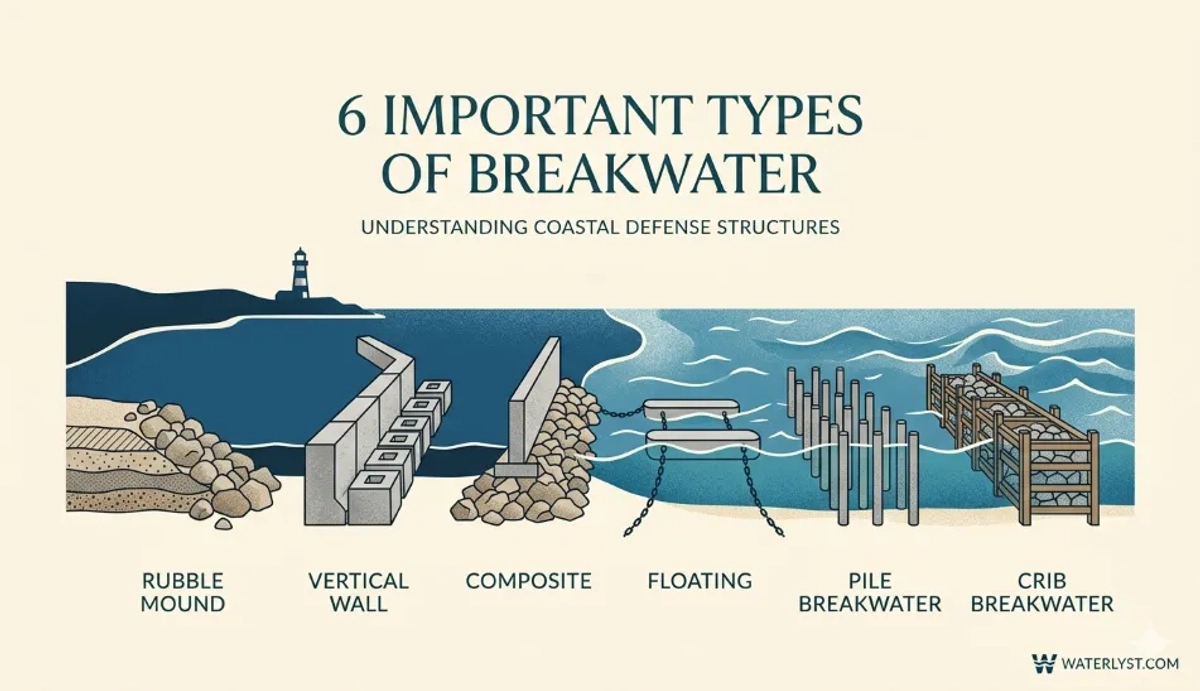
Defending Our Coasts: The 6 Essential Types of Breakwaters.
Quick answers to common questions.
Before breakwaters, ports and ships are at the mercy of powerful waves and storms, often facing destruction. Today, these structures provide the safety and stability that maritime operations rely on.
Maritime port breakwaters are essential infrastructures that protect vessels, facilities, and personnel from extreme wave conditions and facilitate safe operations within ports. The sustainability and performance of these structures are crucial for ensuring operating efficiency and safety in marine environments, particularly in considering growing sustainability concerns. (Clemente., 2021).
Breakwaters are crucial in the preservation of coastal areas and ports. They serve in a variety of fundamental capacities, including:
Coast protection: By reducing the energy of incoming waves, breakwaters prevent coastline erosion and preserve coastal areas.
Port safety: Breakwaters reduce the movement and turbulence of water in ports, which enables the mooring and loading of ships.
Protection of coastal structures: Marine structures, including piers, oil and gas constructions, and tourism infrastructures, necessitate protection against strong waves and adverse weather conditions.
Flood prevention: By restraining the energy of waves and preventing water from entering coastal areas, breakwaters can prevent floods caused by storms and sea level rise.
Rubble mound breakwaters have likely been in existence for approximately 3000 years, and contemporary coastal engineers continue to construct them to establish harbors protected from wave action. Many ancient breakwaters have failed and eroded as a result of thousands of years of wave activity and storms, while a few are still well preserved (Arthur de Graauw., 2014).
The era of modern breakwaters is believed to have commenced in the later half of the 18th century, coinciding with the Industrial Revolution. The breakwaters constructed in Cherbourg, Plymouth, and Dover are regarded as the prototypes of contemporary breakwater design (TAKAHASHI, 2002).
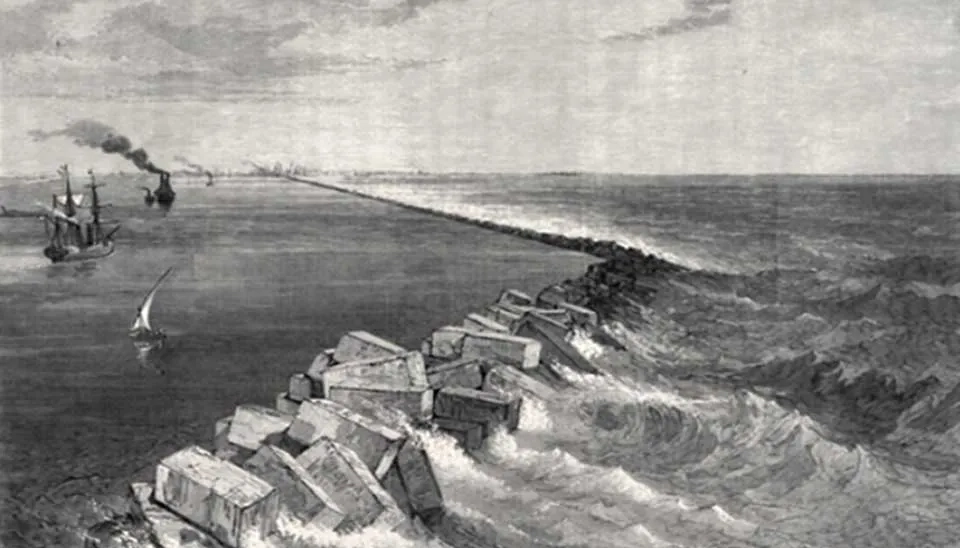
Fig. 1. The 1869 Port Said breakwater at Suez Canal entrance.
Table 1. Sample of Comparison of the different features of various types of breakwaters
Breakwater | Materials | Stability Against Waves |
Rubble Mound Breakwater | Rubble and large stones | Very High |
Vertical Breakwaters | Concrete | Very High |
Floating Breakwaters | Steel/Concrete/Wood/HDPE | Moderate (for small waves) |
Breakwater | Overall Cost | Suitable Depth for Installation |
Rubble mound berm breakwaters | Medium to High | Shallow to Medium |
Composite Breakwaters | High | Deep |
Pneumatic Breakwaters | Medium to Low | Shallow to Medium |
Download Full Table of Important Types of Breakwaters
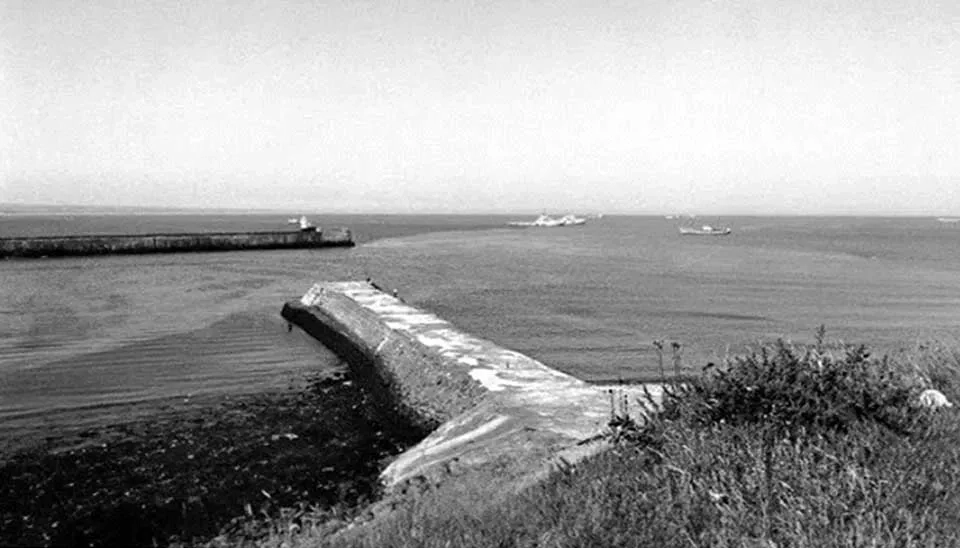
Fig. 2. Early vertical wall breakwater structure at Aberdeen Port.
In this article, six important types of breakwaters are thoroughly examined, focusing on their unique characteristics and functionalities. The discussion highlights how each type contributes to enhancing maritime safety, protecting port infrastructure, and addressing sustainability concerns in marine engineering.
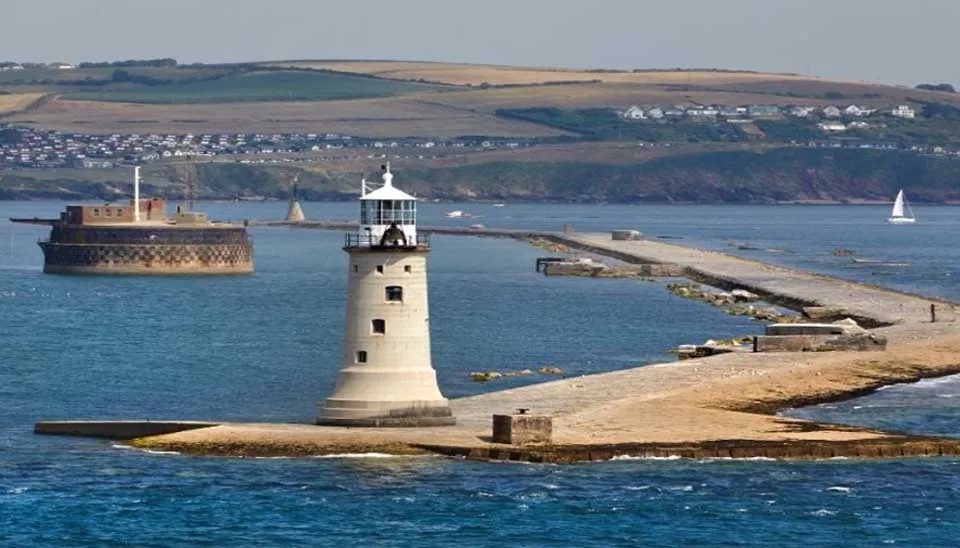
Fig. 3. The Plymouth Breakwater structure, completed in 1911.
Breakwaters are classified into various types based on structure, location, and function. Figure 4 depicts this classification, and the types of breakwaters are introduced using structural categorization (PIANC., 2002).
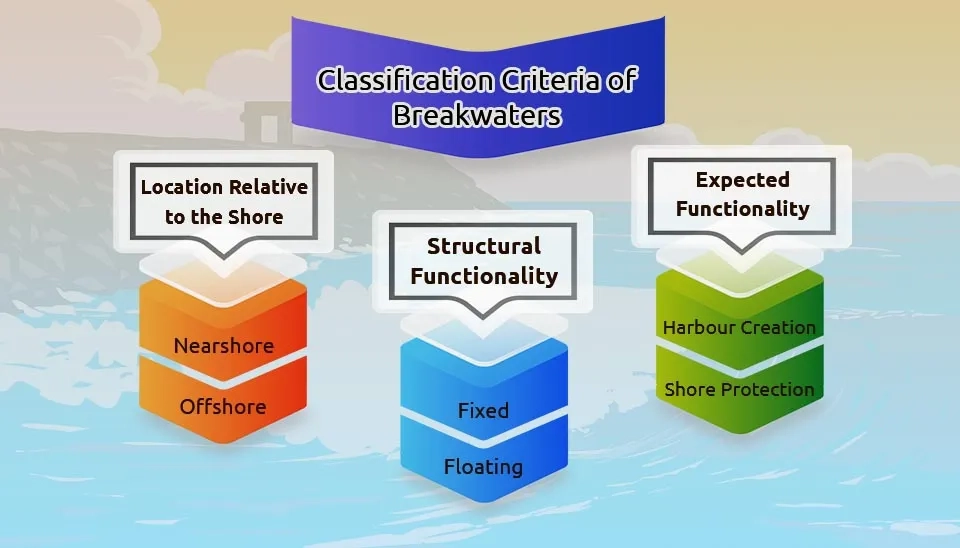
Fig. 4. Classification guide for important types of coastal breakwaters.
The most common type of breakwater classification is based on structural functionality, which will be discussed in this article.
Fixed breakwaters consist of structures that are firmly anchored, either emerging from the seabed or constructed on piers. Prevalent varieties of these structures encompass rubble mound breakwaters and vertical walls. Of them, rubble mound breakwaters are the most extensively utilized globally. Furthermore, rubble mound breakwaters can be utilized in a composite type based on necessity (Rajendra et al., 2017). The following discussion will concentrate on five primary and widely used types of breakwaters, each of which significantly contributes to the protection of coastlines and harbors, as determined by their design characteristics and efficacy.
Rubble mound breakwaters are constructed from quarried stones, typically encased in a protective layer of massive stone or concrete units. The core parts of these buildings can include other materials, such as sand or gravel sourced from the seabed. Often, materials with a broad grain size, like dredging marine debris or crushed stone, form the core of these breakwaters. An armor layer protects the core and one or more filter layers or underlayers. A protective layer may solely adorn the top of the breakwater; however, in certain instances, a concrete crown may also feature a pathway for traversal. To avert seabed erosion and ensure the durability of the breakwater slope against scouring, it is essential to protect its underlying surface, particularly on sandy seabeds. A rubble mound breakwater's performance against waves is such that the majority of the impact wave energy is dissipated by wave breaking on the slope, with the remainder dissipated by flow passing through the porous medium, wave reflection towards the sea, and wave transmission towards the calm basin via infiltration into the rubble mound or wave overtopping (Rock manual, 2007). Hydraulic characteristics describe how waves interact with the structure. The primary hydraulic responses are wave setup and setdown, reflection, overtopping, and wave transmission (PIANC., 2016).
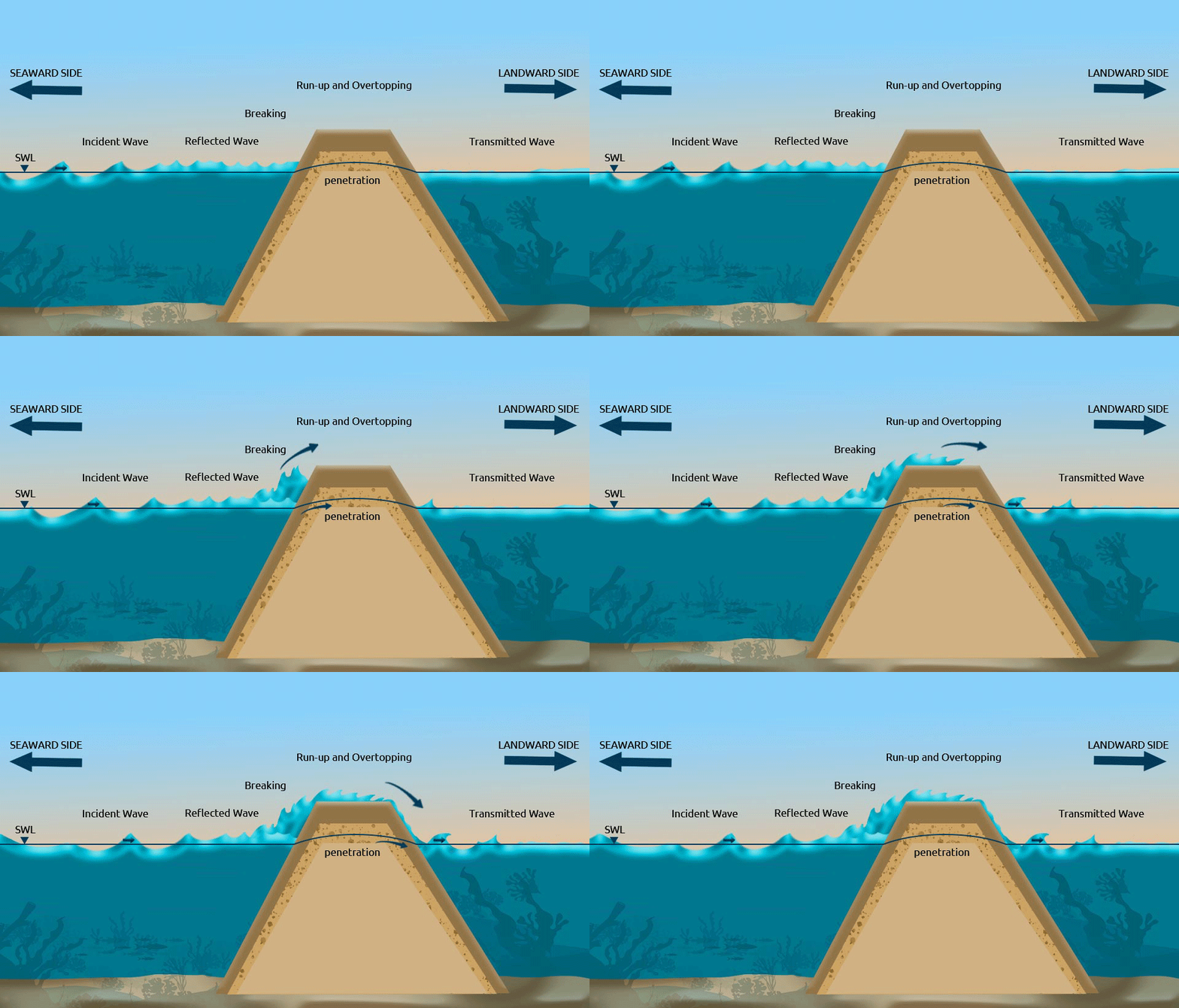
Fig. 2. Most important types of breakwaters: Hydraulic performance.
Rubble mound breakwaters are classified into various types based on their design and structure (Vicinanza et al., 2019). As shown in the figure, four key types of rubble mound breakwaters can be identified:
Conventional rubble mound breakwater: This common form structures a basic trapezoidal cross-section. The armor layer may encompass the crown, a portion of the back slope, and the front surface. The primary objective of this uncomplicated design is to protect adjacent structures, including ports and berthing zones.
Conventional rubble mound breakwater with crown wall: This structure is constructed akin to a traditional rubble mound breakwater, with the difference that a concrete crown is incorporated, facilitating the passage of pedestrians or vehicles. The height of the crown is determined for overtopping, and the width of the crown is determined for stability against sliding or overtopping. (Rock manual., 2007)
Berm breakwater: The berm breakwaters include a wide stone berm on a seaward slope. These breakwaters offer numerous advantages, including material optimization, resistance to repair after deformation, and a simpler structure with reduced costs relative to conventional rubble mound breakwaters. (Akbari et al., 2022)
Low-crested (submerged) breakwater: These breakwaters are usually made of a mass of armor stones and may be covered with artificial units. Low-crested breakwaters are employed to modify wave conditions in regions necessitating horizontal visibility for aesthetic reasons or coastal management; they are often appropriate for environments with minimal tidal fluctuations. (Rock manual., 2007)
Next, we will discuss rubble mound berm breakwaters, which are one of the most important types of rubble mound breakwaters.
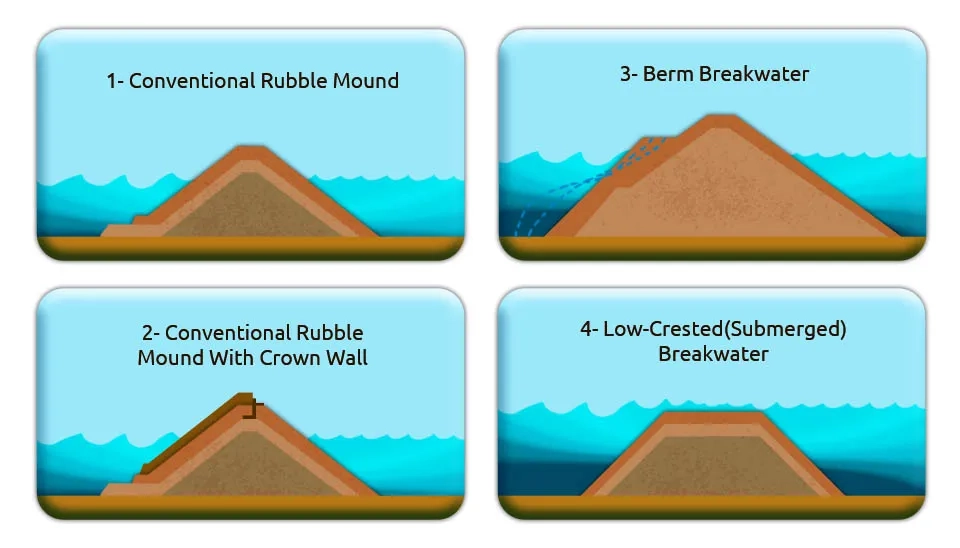
Fig. 6. Important categories of breakwater: Rubble mound designs.
The principal aim of the initial implementation of berm breakwaters forty years ago was to diminish the quantity of armor-stone quarry and building equipment. Berm breakwaters include a bulkier cross-section compared to conventional and concrete block breakwaters. Nonetheless, the potential for employing smaller stones to construct far exceeds that of larger stone volumes in terms of material availability and construction costs. (Sadat Hosseini et al., 2023).
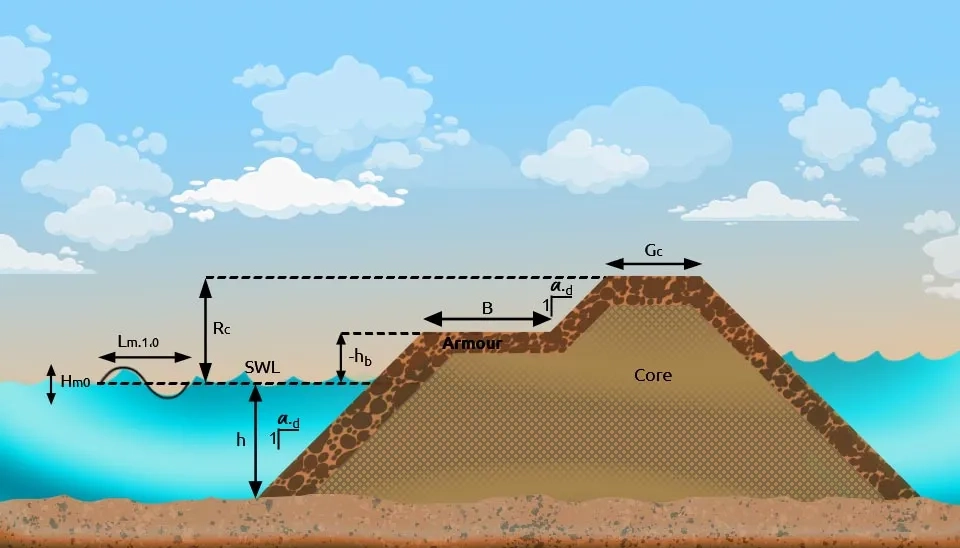
Fig. 7. Detailed berm breakwater cross-section (Pillai et al., 2017).
Vertical caisson breakwaters are large constructions composed of reinforced concrete. The caisson employs mass to counteract the overturning force generated by waves. They are typically constructed where vessels require mooring or shoreward structures that need protection on the inner face of the breakwater (Ding et al., 2021). In deeper waters, caisson breakwaters are frequently regarded as a more advantageous choice due to the substantial increase in the volume of rock necessary for rubble mound breakwaters. The optimal depth for selecting box breakwaters is contingent upon local conditions; however, in depths of 15 meters or greater, vertical composite breakwaters on rubble mound bases are typically more cost-effective (Rock manual, 2007).
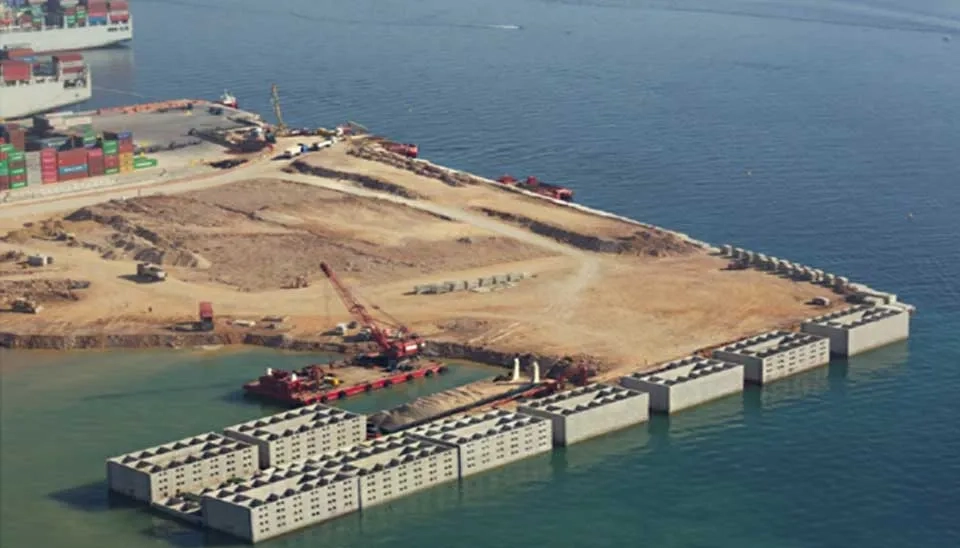
Fig. 8. Important types of marine breakwaters: Caisson design.
Composite breakwaters are categorized into two primary types, each possessing distinct structures designed to endure the effects of waves and applicable in diverse coastal locations. Composite breakwaters consist of rubble mound breakwaters and vertical walls. These breakwaters are employed in regions with deep water or significant tidal variations, as such conditions necessitate a substantial quantity of gravel to achieve the breakwater's full elevation. In these instances, the composite breakwater is designed and erected as a structure featuring a gravel base and a vertical wall above (Janardhan, 2014).
This breakwater consists of a reinforced concrete caisson typically filled with sand and situated on a relatively thin layer of rock. This design is more cost-effective for deep water applications, and precast concrete blocks may serve as an alternative structure (Rock Manual., 2007). As shown in Fig. 9, the structure includes a base layer of rock fill topped with rock armor for added stability and protection against wave forces. The reinforced concrete caisson rests on this foundation, effectively combining durability and efficiency for deep-water use.
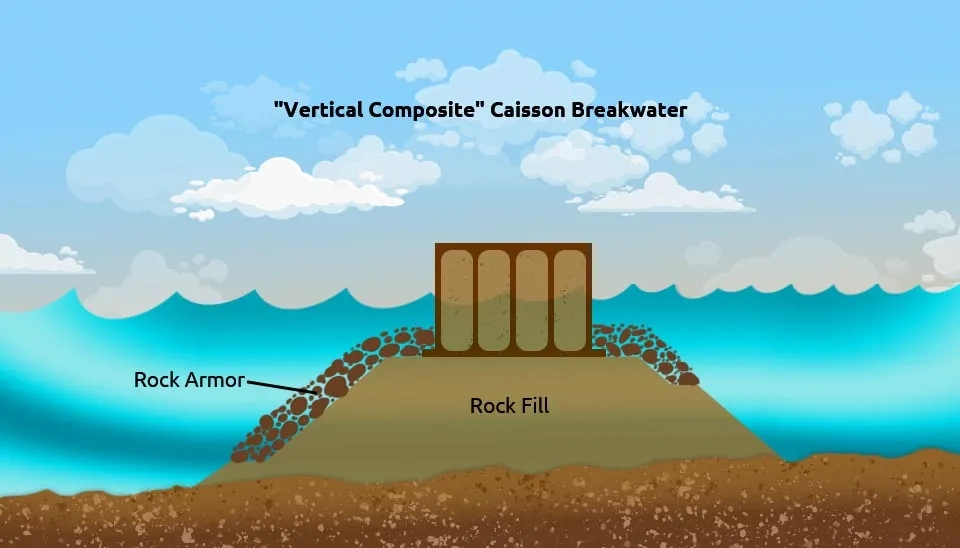
Fig. 9. Important types of marine breakwaters: Vertical composite.
This breakwater type features a caisson at the front, shielded by armor units or a rubble mound structure, which may be multilayered or homogeneous. This category of breakwater is typically utilized in shallow waters, although it is occasionally implemented in deeper waters, where the probability of impact pressures from waves is elevated. This rubble mound configuration diminishes wave reflection, wave force, and overtopping. (Maia et al., 2017)
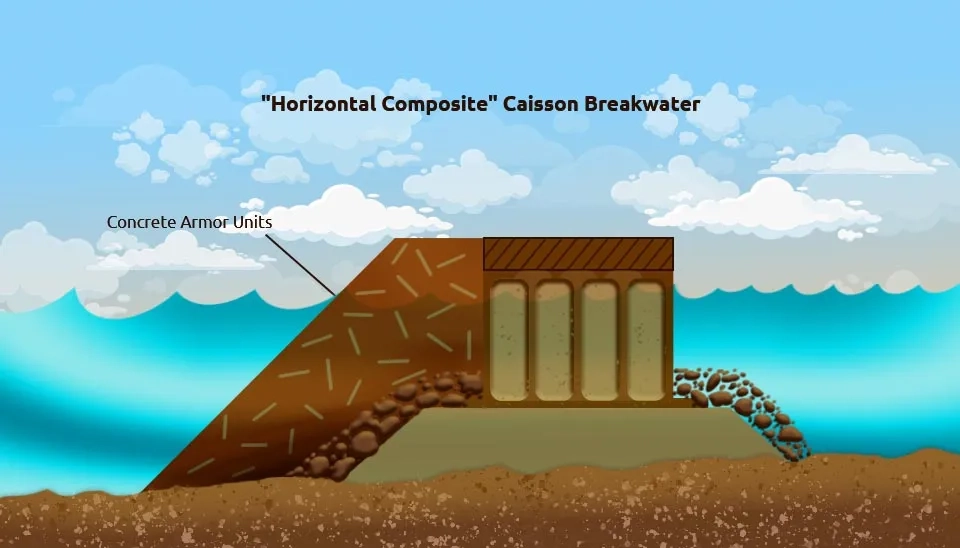
Fig. 10. Different important types of breakwater: Composite caissons.
Pneumatic breakwaters are structures designed to diminish wave energy by utilizing columns of air bubbles submerged in water, which provide a countercurrent that reduces both wave energy and height. These breakwaters facilitate rapid installation, consume minimal space, and do not impede navigation. Nonetheless, a significant disadvantage is the loss of roughly fifty percent of the expelled air energy. Pneumatic breakwaters can be used with floating breakwaters to enhance efficiency. To assess the efficacy of this integrated system, physical or numerical modeling in deeper seas is necessary. This approach is efficacious for coastlines when alternative barrier kinds are ineffective and momentarily cost-effective in deeper nearshore waters. (Guo et al., 2022).
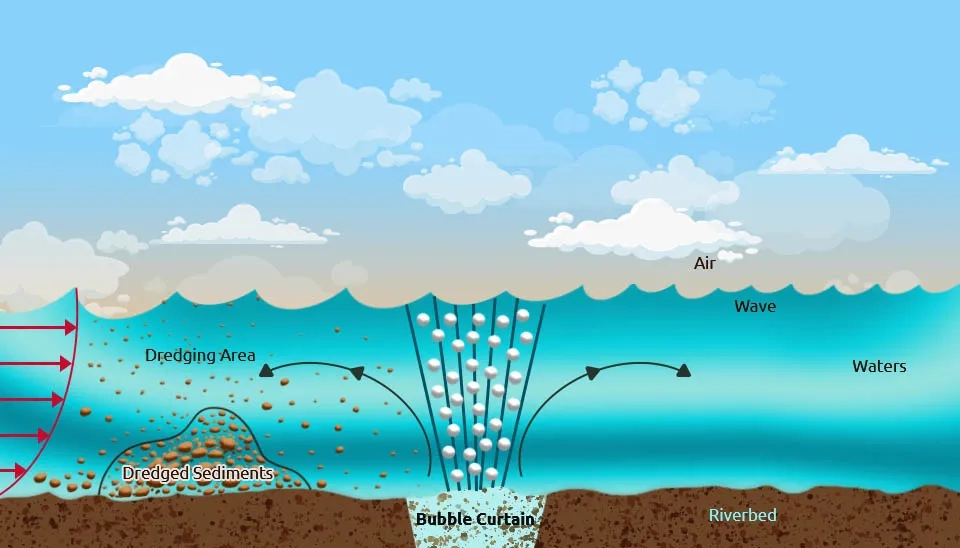
Fig. 11. Pneumatic breakwater mechanism for wave attenuation.
Floating breakwaters are acknowledged as an efficient method for protecting structures and coastlines from wave action in deep waters and soft seabeds. In contrast to conventional breakwaters that necessitate large and expensive foundations, these breakwaters do not require significant quantities of material for fill or prolonged construction periods. A primary advantage of floating breakwaters is facilitating water flow beneath their structure, which enhances water quality and mitigates adverse effects on marine ecosystems (Wang and Nguyen, 2021).
Floating breakwaters are constructed from diverse materials, each possessing distinct advantages and disadvantages. Wood, extensively utilized in the 19th century due to its abundant availability, offers the benefit of simple accessibility; however, it rapidly deteriorates under mechanical stress and is susceptible to damage from marine organisms. High-density polyethylene (HDPE) exhibits significant resistance to biofouling and corrosion, and its production process is straightforward. Nevertheless, its considerable flexibility and minimal depth make it less efficacious against significant waves. Steel, owing to its elevated tensile strength, is appropriate for high-energy environments; it necessitates ongoing maintenance due to corrosion and fatigue-induced fractures. Ultimately, concrete, owing to its significant weight and increased depth, exhibits superior performance in wave attenuation and necessitates reduced maintenance; however, it is susceptible to cracking and corrosion due to its inadequate tensile strength.
Floating breakwaters come in various shapes, including box, pontoon, Y-frame, mat, tethered, and horizontal plate types. Each is designed to reduce wave height and enhance stability in different marine conditions.
Box type: Most box-type breakwaters are made from reinforced concrete sections. These parts are usually either hollow within or normally contain a core comprised of lightweight materials such as polystyrene.
Pontoon type: Panton breakwaters have been designed in diverse geometries to augment the width-to-wavelength ratio, hence economically improving wave attenuation efficacy. (Burcharth et al., 2015)
Y-frame type: Y-frame-type floating breakwaters typically consist of a combination of pontoons and frame or truss structures. They moderate waves by reflection by pontoons and turbulence and disruption by frames. (Dai et al., 2018)
mat type: mat type Floating breakwaters, utilizing recycled materials and waste, have low construction costs and require unskilled labor for their construction. These structures have a geometry with a larger surface area compared to their depth and primarily reduce wave energy through friction between the plates and water particles. Unlike Pantoon breakwaters, this type generates less wave reflection. However, their design requires a width greater than the wavelength, which occupies a significant amount of space in the sea. Additionally, the materials used to construct these breakwaters have lower resistance to harsh marine conditions, and their useful life usually does not exceed 20 years. (Dai et al., 2018)
tethered type: tethered floating breakwaters are a unique type of structure including many floats connected to the bottom or submerged weight modules by tethers. These floats, influenced by waves, exhibit movements akin to an inverted pendulum, functioning in an oscillating manner. (Dai et al., 2018)
horizontal plate type: Floating horizontal plate breakwaters comprise a thin plate positioned at a particular water depth, extending horizontally. This structure is engineered to reduce the effects of waves on coastal and offshore installations. In contrast to alternative wave control techniques such as rubble mound breakwaters, they require fewer materials and can be installed in deep seas, thus reducing the impact of intense sea surface waves (
Box breakwaters have extensive applications because of their uncomplicated design. The breakwaters reflect a substantial amount of incoming waves, resulting in a marked decrease in the waves that pass behind the structure (Zhao et al., 2017
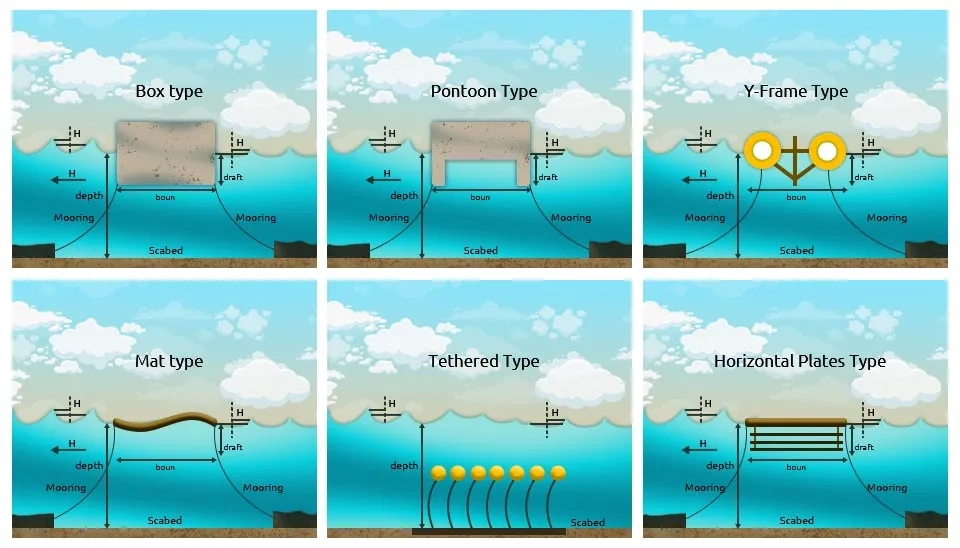
Fig. 12. Most important types of breakwaters: Floating designs.
The design and selection of breakwater cross-sections must account for performance criteria, environmental circumstances, material availability, construction factors, and future maintenance requirements. The ultimate choice among many possibilities should be determined by optimization, cost analysis, and assessment of appropriate building techniques (Rock Manual, 2007).
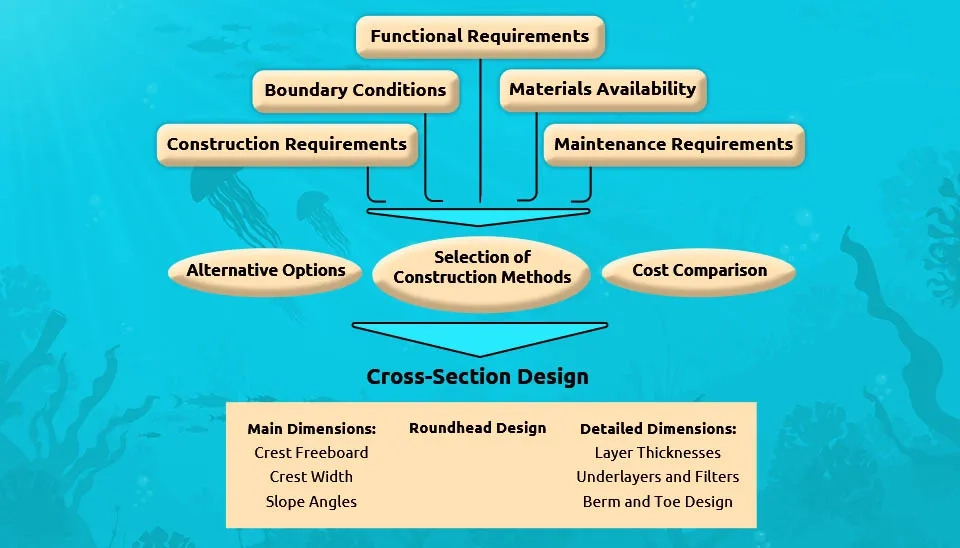
Fig. 13. Cross-section selection (Rock Manual, 2007) process.
Breakwaters are essential structures that play a critical role in safeguarding coastal areas and supporting maritime operations. Over the years, engineers and researchers have developed various breakwater designs to address diverse coastal challenges. These designs are shaped by factors such as local wave conditions, environmental concerns, and economic considerations. Diverse breakwater designs possess distinct features and functions tailored to various regional situations and coastal requirements. Fixed and pricey breakwaters provide long-term protection against high waves, while floating and pneumatic breakwaters are more economical, easier to erect, and moveable; each form possesses distinct advantages and disadvantages. Selecting the optimal breakwater entails an assessment of multiple criteria, including cost, durability, water depth, and environmental effects, and requires a comprehensive review adapted to the project's specific conditions and requirements. Ultimately, the success of any breakwater lies in its ability to meet its intended purpose efficiently while minimizing negative impacts on the environment and ensuring long-term sustainability. The integration of innovative materials and adaptive designs in future breakwaters will be key to addressing evolving coastal challenges and ensuring resilience in the face of climate change.
Keep reading












Comments
No comments yet
Be the first to comment
Share your thoughts and start the conversation.