10 Methods of Climate Change Adaptation in Nature and Human-Based Environments
Climate change is no longer a future prediction; it’s a present reality. Discover 10 proven strategies to adapt and thrive.
HHossein Jalalian
· 10 min read· 56 views
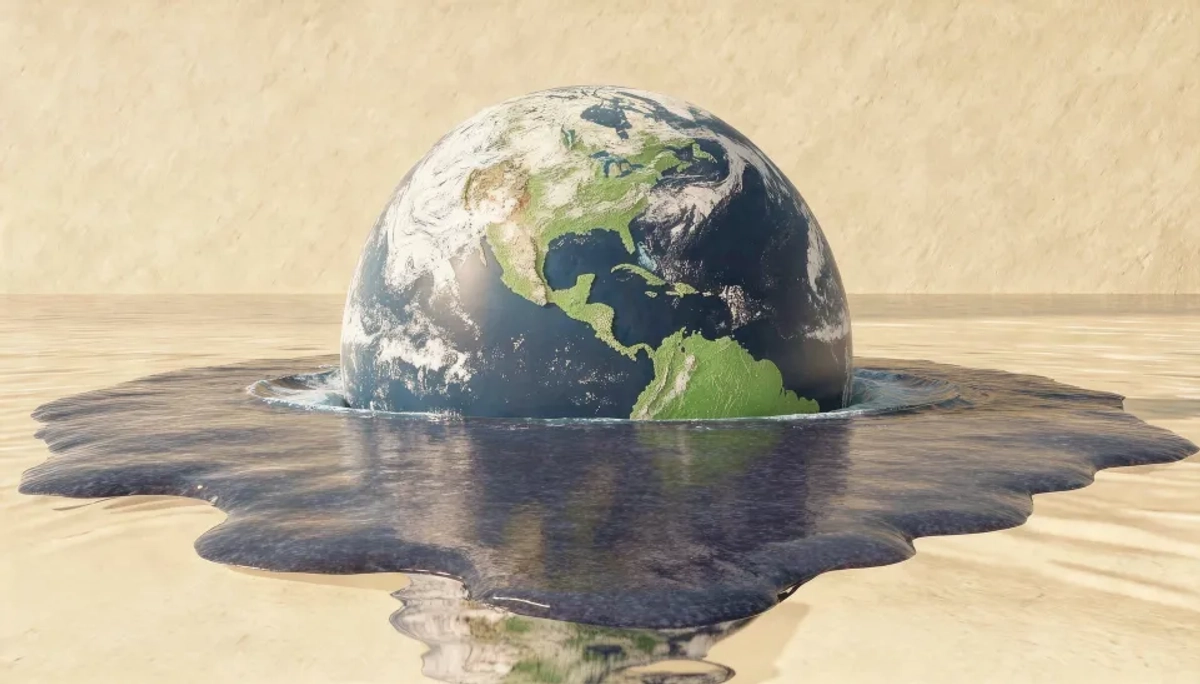
Climate change is no longer a future prediction; it’s a present reality. Discover 10 proven strategies to adapt and thrive.
Quick answers to common questions.
Over the past century, the global average annual temperature has increased by 0.7◦C (IPCC, 2007). Although the direction, magnitude, and confidence in precipitation forecasts have varied between regions and seasons, rainfall patterns are also projected to evolve. In addition, the rate of global warming is not yet slowed down by international efforts to decrease and sequester carbon dioxide and other greenhouse gases. Climate change is likely to have a significant impact on the world, and there is growing urgency for supporting adaptation to climate change in the countries most affected by it. The impact of these changes on Earth's natural systems is also significant. These questions are being addressed in an initial debate about adaptation to climate change in nature and human environments:
What is an adaptation to climate change?
Who or what adapts and how?
How do human-based and nature-based adaptations fit with larger-scale climate change adaptation programs and policies?
In this context, ten climate change adaptation strategies that have been suggested for managing natural systems and communities in the face of climate change are proposed. We begin with an overview of the general, largely conceptual, recommended adaptation strategies. We will then explain some of the more detailed suggestions made to address climate change in nature and human environment.
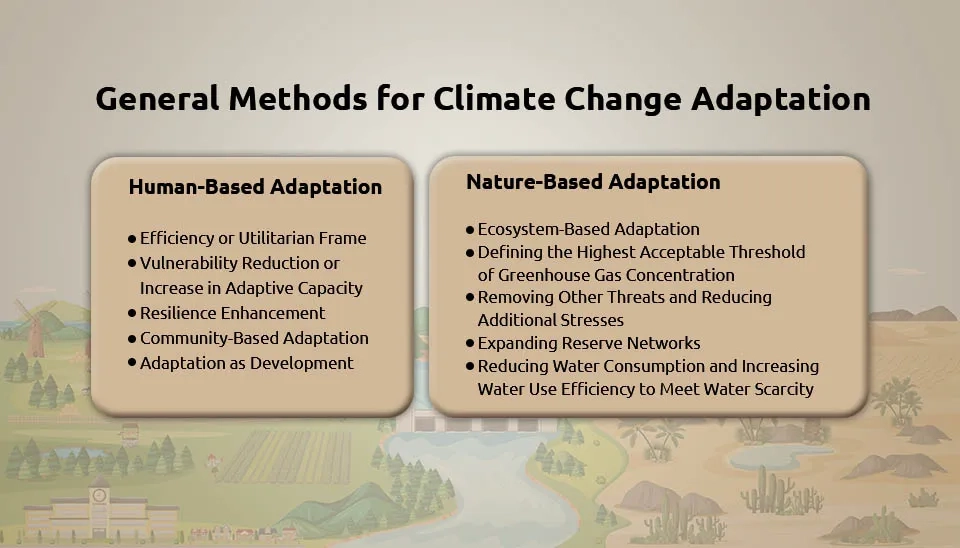
Adaptation describes the adjustment of natural or human frameworks in response to their effects (IPCC, 2007). Human-based adaptation (community-based adaptation) operates at the local level in communities that are vulnerable to the impacts of climate change. It identifies, assists, and implements community-based development activities that strengthen the capacity of local people to adapt to living in a riskier and less predictable climate. Nature-based adaptation is a method of addressing challenges by working with and enhancing nature (Seddon et al., 2019). To benefit people and biodiversity, it covers a wide range of actions to protect, restore, and sustainably manage ecosystems (Cohen-Shacham et al., 2016). Changes in physiology, phenology, interspecific interactions, and disturbance regimes are associated with recent rapid changes in the Earth's climate and global warming.
In this paper, we expand the range of methods that are widely accepted as being used to understand and operate adaptation efficiency to promote resilience, resistance, and change, which will be briefly discussed. The ten methods are listed below:
Adaptation should minimize costs and maximize the benefits of the intervention. In order to understand what constitutes dangerous climate change in the end, the original rationale for this framing was based on cost benefit analyses to capture the trade-off between climate change mitigation and damage, and the associated costs of adaptation (Stern, 2008). It may focus investment on those most at risk, when it is framed in the context of economic damages reduction, thereby preferentially benefiting groups with higher assets (Wegner & Pascual, 2011).
This frame takes the view that adaptation, by focusing on vulnerable people and particularly those at risk of climate change, is efficient when there is a reduction or an increase in adaptive capacity. A strong emphasis is placed on enhancing capacities to adapt to, avoid, reduce, or capitalize on risk, and assessing adaptive capacity usually serves as a proxy for actual adaptation (Mortreux & Barnett, 2017). A prerequisite is thus identifying not only who is vulnerable and who has the capacity to adapt but also why people are vulnerable and why they hold differential adaptive capacities (Thomas et al., 2019). Indicator-based vulnerability assessment methods or participatory approaches are used as metrics to track the reduction of vulnerabilities over time and at different scales (Ford et al., 2018).
In order to allow systems to recover from climatic shocks, adaptation should increase resilience by building functional resilience over a long period of time. Functional persistence, self-organization, and adaptation are three basic components of climate change resilience within the framework of socio-ecological systems theory (Pelling, 2010). With a focus on the definition of the system, its boundaries, and the disturbance considered, resilience frameworks measure EA in terms of stability, self-organization, and learning.
Community-Based Adaptation (CBA) is a bottom-up approach that focuses on increasing the participation and agency of vulnerable communities in adaptation prioritization and implementation (Faulkner et al., 2015). It considers that EA is a Community-led process, in which strategies to adapt are developed in collaboration with other stakeholders and facilitate the evolution of decision-making powers and administrative control. In order to empower people to adapt more effectively, CBA explicitly focuses on mainstreaming Community priorities, needs, knowledge, and capacity for adaptation to climate change, which is aimed at empowering people to adapt more effectively (Kirkby et al., 2018).
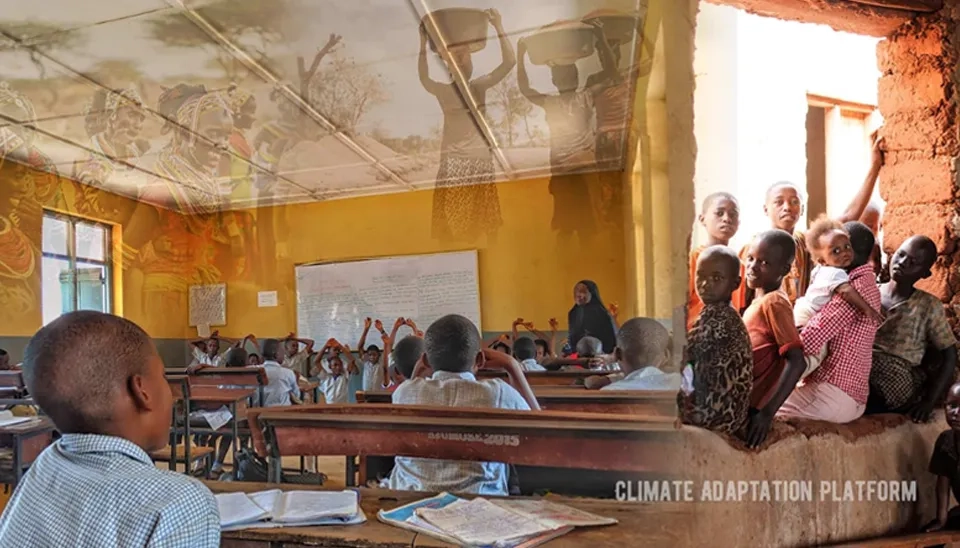
A newly forming, more development-oriented perspective on adaptation considers development and adaptation risks as strongly complementary. Adaptation is not confined to anticipating enhanced physical risks linked to increased greenhouse gas concentrations under this approach. Instead, it deals with developmental needs such as increasing access to economic opportunities and productive assets to raise the adaptive capacity of those most at risk and more vulnerable people. Adaptation as development in effect implies that overall development is an effective contribution to withstanding future climate change. Such a process of development would include measures such as achieving the Millennium Development Goals for poverty reduction, boosting education and health, improving living conditions, and providing access to financial markets and technologies for less developed countries, communities, and even individuals (Kates, 2000).
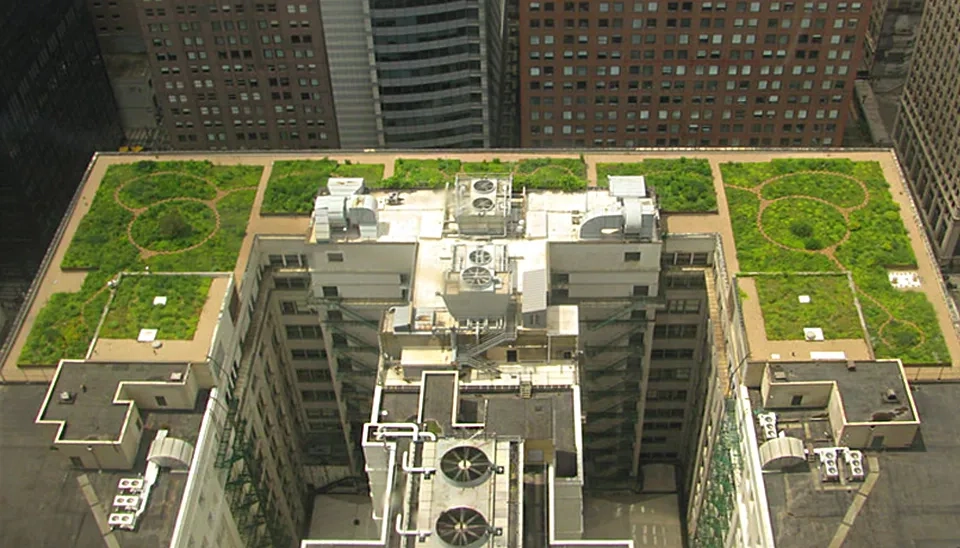
Ecosystem-Based adaptation (EBA) highlights that human well-being and adaptive capacities are deeply dependent on biodiversity and functioning ecosystem services (Reid et al., 2017). By ensuring ecosystem conservation and enhancement while allowing human systems to mitigate or adapt to climate change, the EbA aims at addressing critical links between climate change, biodiversity, and sustainable resource management (Munang et al., 2013). The frame tends to focus on EA as staying within ecological limits and sustainable use of natural resources (Vignola et al., 2015).
The highest acceptable limit values for greenhouse gas concentrations are defined by the dangerous effects of climate change. This approach also provides support for adaptation practices that seek to minimize the impacts of rising greenhouse gas concentrations, e.g. by engineering and technology measures and by climate change adaptation planning containing new planting varieties, water management systems, or early warning systems based on climate projections in case of events like hurricanes, droughts, etc. (Klein and Persson, 2008).
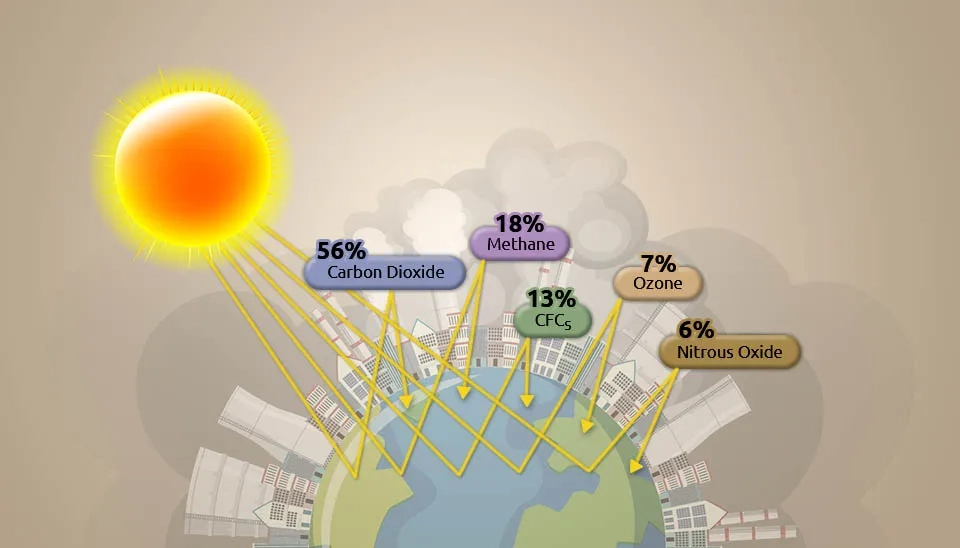
Removing other, non-climate-related threats to species or systems and reducing the additional stresses could be seen as one of the most obvious approaches to increasing climate change resilience. A reduction in the impact of exotic species, habitat loss, fragmentation, overharvest, and other threats generally results in larger populations that are likely to be better able to absorb perturbations (Hansen et al., 2003). The capacity of populations and societies to cope with or adjust to new impacts is reduced in some cases by external threats, but climate change can also exacerbate the effects of such threats. In some cases, populations or species will be better able to adapt to climate change by removing or reducing current ecological stresses and threats.
Biodiversity conservation can be best achieved through protected areas. However, climate change will challenge the ability of the current reserve network to provide protection when the climate shifts so rapidly that animals and plants no longer thrive where their current reserves are located. To provide systems and species with space to move and places to disperse, several researchers have suggested that the reserve networks should be extended to increase the size of existing reserves and reinforce buffers around existing reserves (Noss, 2001). To identify sites in which biodiversity can be best protected against climate change, the use of ecological forecasting could theoretically be applied (Hannah, 2008).
Extreme weather events such as droughts and uneven distribution of precipitation during the year, which would require higher irrigation efficiency, are expected to occur more frequently under climate change scenarios. One of the main issues for adaptation is to increase efficiency in water use (Gruda et al., 2019). Due to changes in rainfall and temperature, as well as an increased frequency of extreme climatological conditions such as floods and droughts, the last decades have seen a major change in water distribution around the world (Stahl et al., 2010). These climate trends raise serious concerns over the ability to keep up with existing water use, alongside increased pressure caused by people and changes in land use. Water management policies need to be adapted to future climate conditions in order to address the impact of climate change on water resources and to mitigate the effects of expected water shortages, as the global efforts to reduce greenhouse gas emissions into the atmosphere are insufficient to reverse the current climate trend (Oral et al., 2021). Climate adaptation is an essential tool to minimize the impacts of climate change on water use and water-related risks and should therefore be a primary priority for action at the river basin level (Watts et al., 2011). The IPCC Fourth Assessment Report predicts that freshwater resources will decrease by 10 to 30 percent in many mid-latitude and tropical dry regions as a result of climate change (IPCC, 2007). To develop a comprehensive and integrated strategy that mitigates society's vulnerability to climate change while providing the necessary flexibility for dealing with uncertainty, an adaptation program must be defined by creative and innovative thinking. Each potential adaptation measure to be included in the strategy should be subject to a careful evaluation of its positive and negative environmental and socio-economic impacts to identify cost-benefit relationships and the course of actions worth pursuing. This assessment will lead to the development of adaptation plans for water resources management based on supply-side and demand-side actions, in particular (
“Good” climate change adaptation requires consideration of immediate and long-term vulnerability in climatic and developmental terms. Without knowing how social and economic trends make people vulnerable or what their needs are, there is little point in trying to adapt to likely climate risks. Overall, the use of ten adaptation methods in empirical evidence shows that different approaches to evaluating effectiveness may capture some aspects of adaptation and a combination of strategies can help more holistic analyses on monitoring and facilitating effective climate change adaptation which is sustainable and inclusive. Finally, understanding how climate change will impact ecosystem services and community-based systems will be vital for setting priorities, generating strategies and designing projects.
Keep reading












Comments
No comments yet
Be the first to comment
Share your thoughts and start the conversation.