Countertop Water Distiller Buying Guide: How to Choose One
Choosing the right countertop water distiller requires considering your needs and following some important steps. In this buying guide, we focus on key steps and considerations.
ZZahra
· 20 min read· 0 views
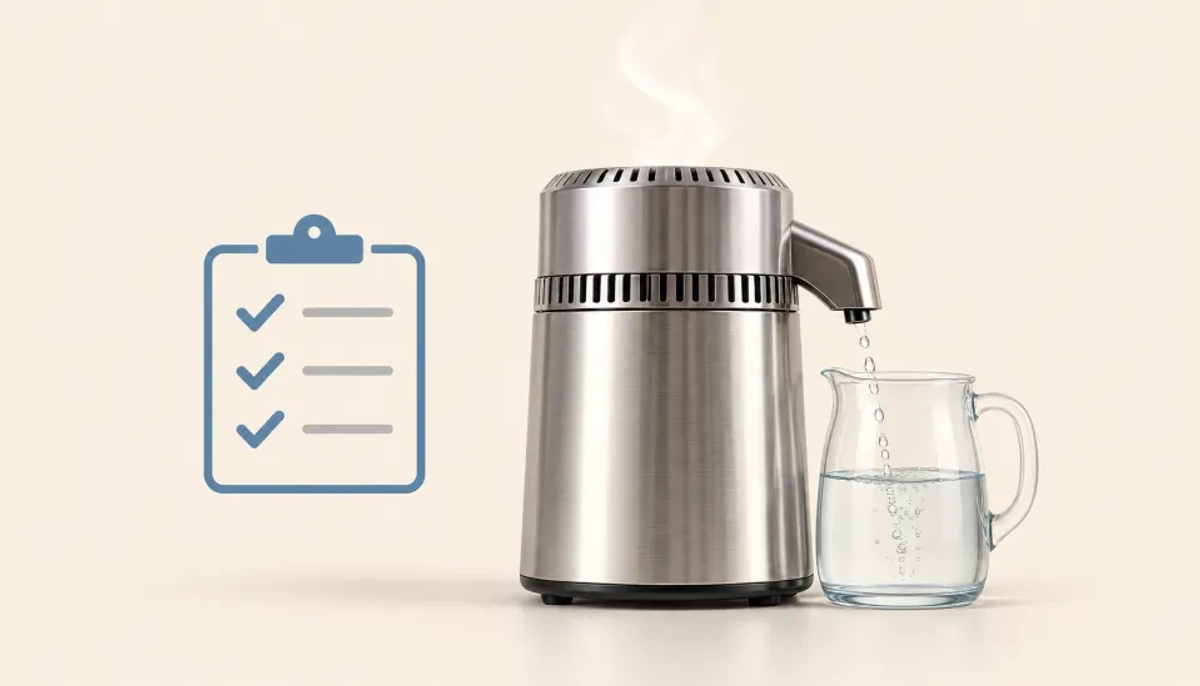
How come drinking pure water is not an option?
According to the WHO, diseases such as typhoid, hepatitis A, dysentery, cholera, and polio are transmitted through contaminated and poor-quality water. This buying guide will help you become familiar with the key features of water distillers. A water distiller is a device that purifies water by removing contaminants and minerals, such as microorganisms, heavy metals, and sediment. This product heats water and converts the extracted steam to liquid by collecting it in a cold compartment. (WHO, 2023).
To choose a countertop water distiller, first estimate how much distilled water you need per day, then compare capacity (most home models make about 1 gallon per 4–6 hours), power (usually 580–750 W), materials (stainless steel, glass, or BPA-free plastic), and safety features such as automatic shut-off and UL or CE certification.
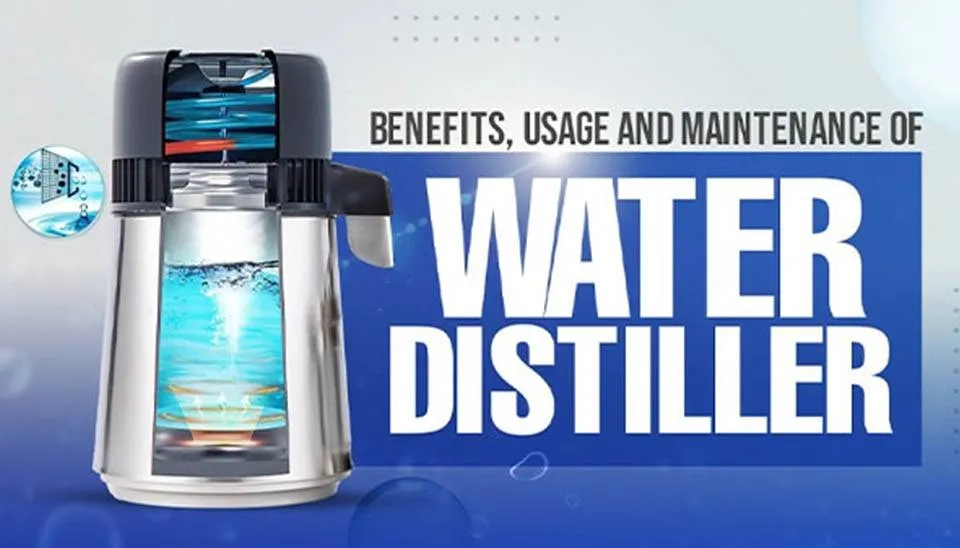
Choosing the right water distiller is very important, as it affects human health and the maintenance of some expensive devices like a humidifier. The wrong water distiller may make the water taste unpleasant; if the distiller doesn't work properly, the water may still have a foul taste or smell, and the contaminants may not be removed completely. Selecting the incorrect water distiller can lead to high cost, inefficiency, maintenance issues, and a short lifespan. In this article, we provide a comprehensive guide for buying a water distiller to help users all around the world find the one that suits their needs.
1. Key Considerations When Choosing a Water Distiller
Choosing the right product requires considering some specific situations and following some important steps. In this section, we discuss key steps and considerations that users should keep in mind:
1.1. Purpose and Application
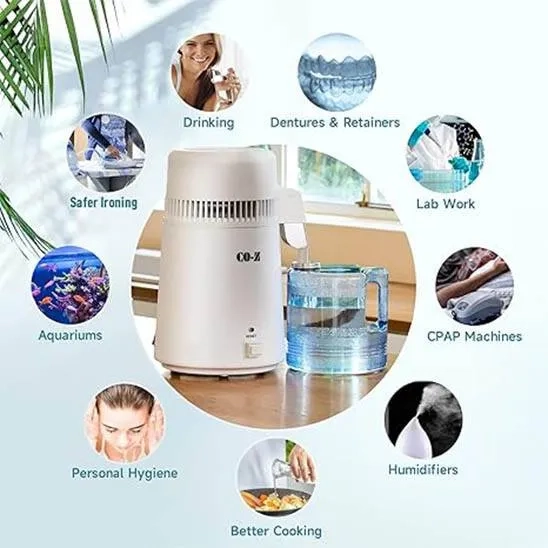
The increasing number of people and industrial and agricultural activity have raised the freshwater demand, which creates unsustainable pressure on freshwater (Wu et al., 2022). Nowadays, the ability of water distillers to provide fresh water and eliminate most contaminants has led to an increase in their consumer base and popularity. This device has a broad range of applications, from drinking and cooking to use in special equipment. Water quality clearly affects the taste of drinking water and food. The figure below shows some important water distiller applications:
1.2. Technological Integration and Features
A water distiller’s technology integration is the process of combining engineering solutions and recent developments to improve the effectiveness and usability of a water distillation system. The most important keys and advancements of water distiller technological integration are distillation technology, filter type, noise reduction technology, maintenance and cleaning features, speed, size and capacity, and finally, safety features, which are discussed in this section in detail:
1.2.1. Distillation technology
Different types of distillation technology use differences in boiling point to separate contaminants from pure water. There are a lot of distillation technology types, each of which has a specific application, but the most common technologies which are applied in water distillers are steam distillation, which operates by converting water into steam and condensing it back into liquid form; solar distillation, which uses solar energy to remove contaminants from water; membrane distillation, which purifies water by combining the membrane and thermal technology; and vacuum distillation, which works under reduced pressure. A countertop water distiller applies the simple distillation method, which uses electricity and heat to remove the contaminants. The process has four stages: heating the water, steam separation, condensation, and collection of distilled water.
1.2.2. Filter
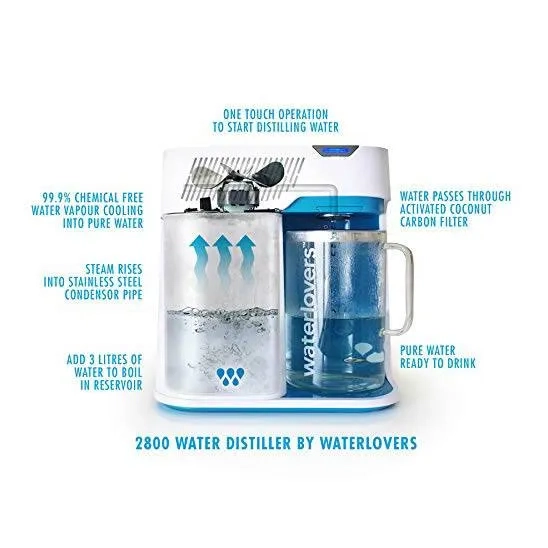
Filters play a crucial role in guaranteeing the distilled water’s quality and are divided into one-stage and multi-stage groups. A multi-stage filter system applies multiple filtration stages, each of which targets a different type of contaminant to provide comprehensive water purification.
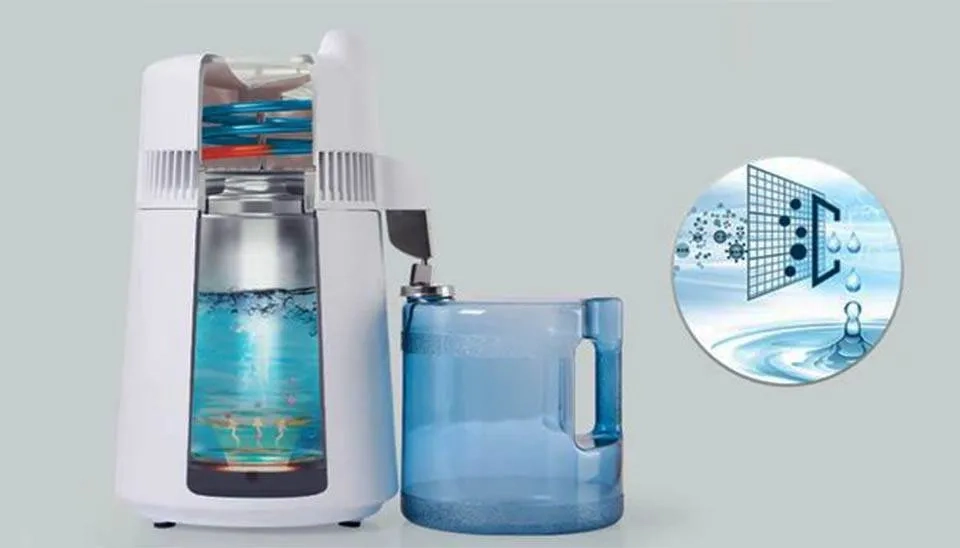
Smart and advanced multi-filter water distillers are usually made of borosilicate glass and stainless steel and use activated carbon and distillation to remove the impurities and contaminants. Some of them have a multi-stage filter and include an integrated water quality sensor to track and adjust the purifying process.
1.2.3. Noise Reduction Technology
Some modern water distiller models have noise reduction technology, which keeps noise to a minimum during distillation and makes the device more suitable for home and office environments where silence matters. Material type, component design (like quieter pump, fans and motor) and layout optimization (like isolating noisy parts from the main part) are the key factors to implement noise reduction. Membrane distillers could decrease the noise as a sample (Viader et al., 2021).
1.2.4. Maintenance and Cleaning Features
The optimal performance and longevity of a water distiller depend on its cleaning and maintenance, as the remaining sediments are harmful to this device. To address this issue, some advanced distillers have features such as a self-cleaning mode, which performs a basic cleaning cycle automatically and reduces manual maintenance effort. Automatic shut-off is another feature which prevents overheating and ensures safety. Most home distillers are equipped with this feature to enhance safety. In addition, many distillers have LED lights or digital displays that show the operating status and inform users about the water temperature or remaining distillation time.
1.2.5. Speed
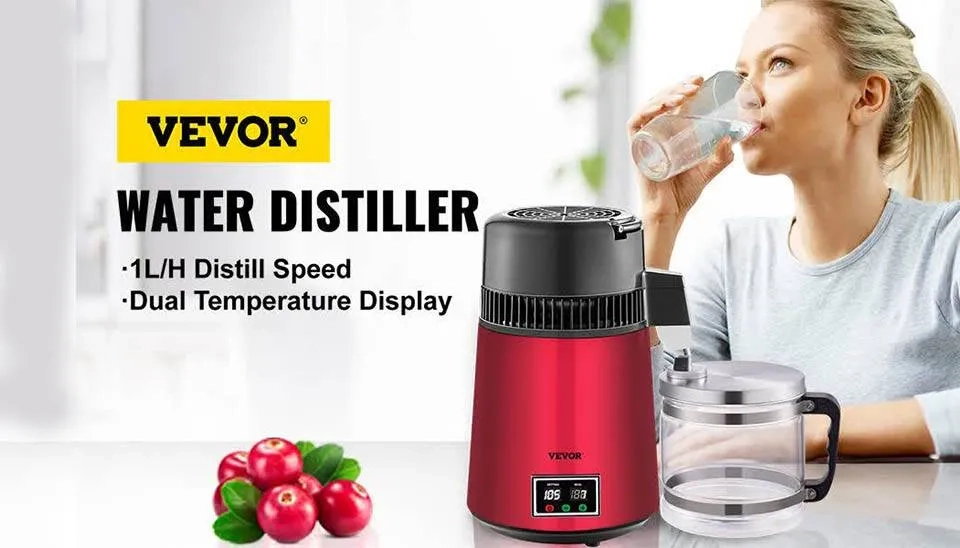
Distillation speed is an essential factor, as it affects performance and time spent, and it depends on the distiller capacity. Most home water distillers have a similar speed, as they typically produce 1 gallon (about 4 liters) per 4-6 hours.
1.2.6. Sizing and Capacity
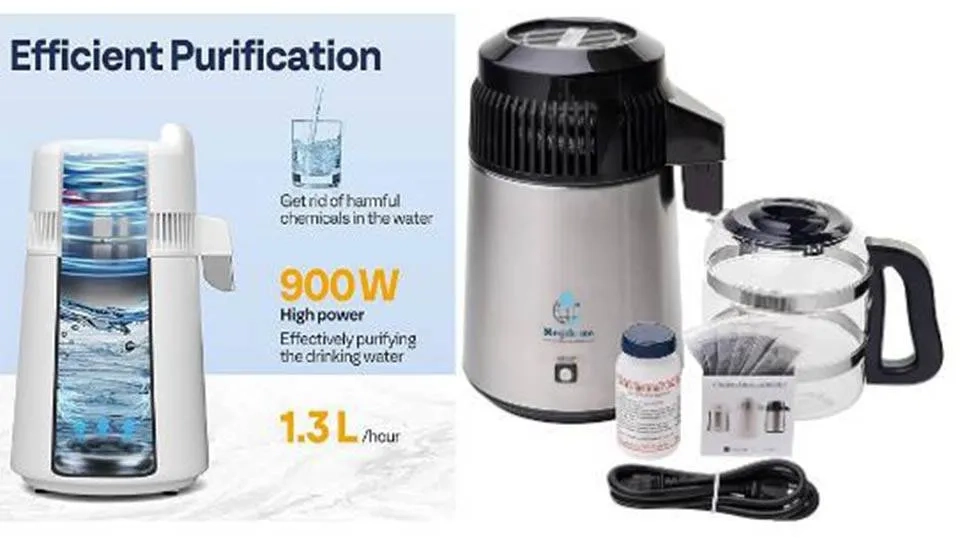
Choosing the most effective water distiller depends on the size and capacity of the products. First, you need to determine your average water consumption for drinking, cooking, and other uses. On average, a person might use about three liters of water per day. You should consider the size of the water distiller, as it determines its capacity. Small distillers provide pure water up to 4 liters, and common home distillers have the same capacity, although industrial distillers can usually produce about 12 gallons of clean water. Remember that the size of a water distiller affects its portability, so if you need to move it frequently, choose a smaller, portable model.
1.3. Cost and Budget
To choose a cost-effective water distiller, you should consider how much pure water you need each day, and according to your consumption and the product's capacity, you can choose a reasonable model. Additionally, other important factors to consider include operating costs (filters and energy consumption), maintenance costs (repair services or descaling and cleaning) and additional features like advanced filtration or automation that could be added in the future. Using a water distiller reduces or eliminates the need for bottled water, resulting in significant cost savings. According to Top 7 Water Distillers, home water distillers cost from about $80 to $330. A higher price often comes from a well-known brand or a safety certification, but sometimes buying a product only for its popularity is not the right choice.
1.4. Materials and Durability
The most important elements that guarantee long-term safety and effectiveness are material and durability. All the typical water distillers consist of a cooling system, a boiler chamber, and an additional tank for storage. These parts are typically made of glass, stainless steel, or BPA-free plastic, all of which should be rust-resistant. Stainless steel, the most expensive material, is preferred for its resistance and durability. The glass materials are safer than the plastic ones because the risk of contamination is lower. Using the glass material in a water distiller also allows users to observe the distillation process and ensure they will have the purified water at the end. When selecting a glass water distiller, remember that it is more fragile than other materials. Finally, BPA-free plastic materials are safer than common plastic materials, and their light weight makes them easier for daily use. Another component of the water distiller is the nozzle, which is often made of stainless steel, although some models have a porcelain nozzle, and the fan blade, which in some models is made of aluminum.
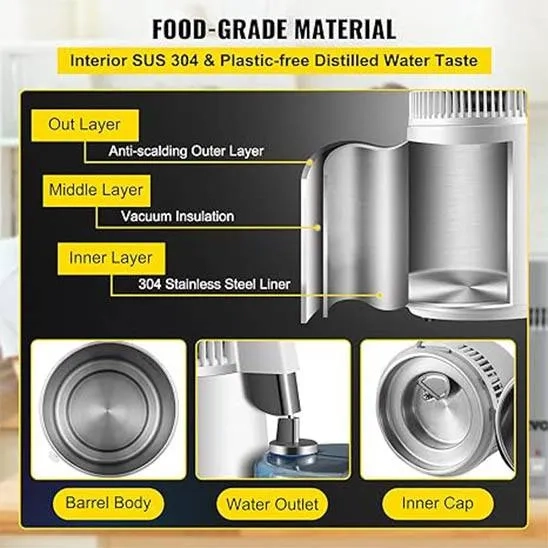
To ensure the durability of a water distiller, you need to choose high-quality models that can tolerate high temperatures during the distillation process. Additionally, selecting a model that is easy to clean can enhance maintenance and productivity. Check the product's warranty, as it confirms the company's claims about its durability.
1.5. Customer Service
Customer service is one of the most important factors. It refers to the help and support a company offers customers and how it responds to their questions and requirements before and after the purchase. Good customer service includes a prompt response, professional and friendly communication, accurate company contact information (email, address, and phone number), and follow-up until issues are resolved. We highly recommend reading reviews and checking the warranty to verify each company's customer service.
Warranty is an assurance given by a producer or seller to guarantee the condition, performance and quality of a product. It defines the terms and conditions under which the product can be fixed, replaced or refunded if it does not satisfy requirements over time.
1.6. Installation Requirements
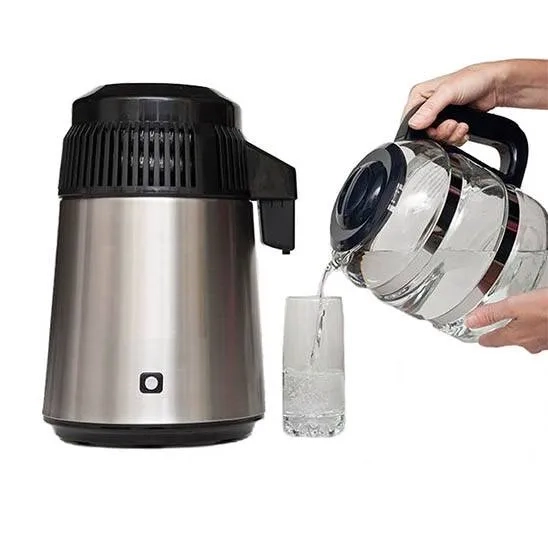
To buy the right water distiller, you must first choose a location that meets the following criteria for safety and efficiency:
The surface should be completely smooth and flat
The water distiller place needs to be near a water tap for easy refilling
The target place should have good ventilation
The household grounded outlet should be standard and near the water distiller
The installation requirements of each product depend on the home water distiller's weight and size, which are mostly the same. The characteristics of each product are important too, as glass products need more careful handling because they are fragile.
1.7. Maintenance and Lifespan
Learning the proper maintenance of a water distiller is as necessary as choosing the right product, as it prevents sedimentation and deterioration. First of all, make sure to empty the boiling chamber after each use and rinse the container and other removable parts to clean all the dirt and contaminants. Most water distillers should be cleaned regularly as the manual recommends (some models after every two uses). Water distiller lifespan depends on material quality (stainless steel and BPA-free plastic tend to have longer lifespans), usage frequency, and proper maintenance. Don't forget to check the manufacturer's warranty and customer reviews about how the company responds to and resolves issues. Keep in mind that performance depends on the amount of dissolved solids and the water quality in your area, so it is highly recommended to ask your neighbors and search for your region's water quality report to make a better decision.
1.8. Energy Efficiency
Power consumption depends on electricity use, as water distillers use electrical energy to boil water and condense steam, and on wattage, as models with lower wattage draw less power even though they take more time to distill. Automatic shut-off is a feature that helps energy efficiency a lot, and most home products have it. Another solution to save more energy in the distillation process is to use large batches of water instead of small and more frequent batches, as it reduces the total time the distiller needs to heat up and cool down. Most of the products we investigated have a power rating of about 750 W, so most home distillers have similar energy efficiency.
1.9. Brand Reputation and Reviews
To find the proper water distiller, first identify the well-known brands in the market, then check the consumer reviews by searching on online platforms like Amazon, eBay, Walmart, etc., and compare their properties and abilities to meet your requirements and situation.
During the online investigation, the product's rating is the most important feature, which shows how reliable and effective that product is; this parameter is extracted from previous consumer experience. If you don't have time for this time-consuming search, we have already searched many online shops and websites to find the most popular and effective distillers and then applied the Bayesian Ranking to rank them. Considering this kind of investigation and comparing the specifications of high-ranked products improves the quality of your purchase and ensures you make a well-informed choice.
1.10. Environmental Impact
Since using a water distiller reduces plastic bottle consumption, this product generally helps reduce environmental impact. Additionally, healthier and contaminant-free drinking water is accessible by using a water distiller, as it removes chemical pollutants and harmful substances. Keep in mind that despite all its advantages, a water distiller has some disadvantages, like energy consumption, as boiling water and producing steam take a lot of energy. For this reason, renewable energy such as solar or wind power is recommended, and choosing an energy-efficient and durable model also reduces this issue.
1.11. Compliance with Standards and Certifications
A certified water distiller has been tested for material and safety, which shows how reliable it is. Even popular brands should be checked first for industry standards and certifications. We recommend checking the certification label to confirm the product and company's trustworthiness. Checking compliance with standards helps users buy long-lasting, durable products and avoid a bad purchase. Some products have standard certifications, like the CE (Conformité Européenne) marking or UL (Underwriters Laboratories) approval (UL products have been tested by UL to nationally recognized safety and sustainability standards).
2. Comparing Different Types of Water Distillers
Most home and countertop water distillers are the same size, weight, capacity, and speed. But they vary in price, power, special features, and material, although the inner boiling chamber is similar, as most are made of stainless steel. However, based on the composition of the container, we can categorize water distillers into two groups: plastic and glass products.
2.1. Material Type
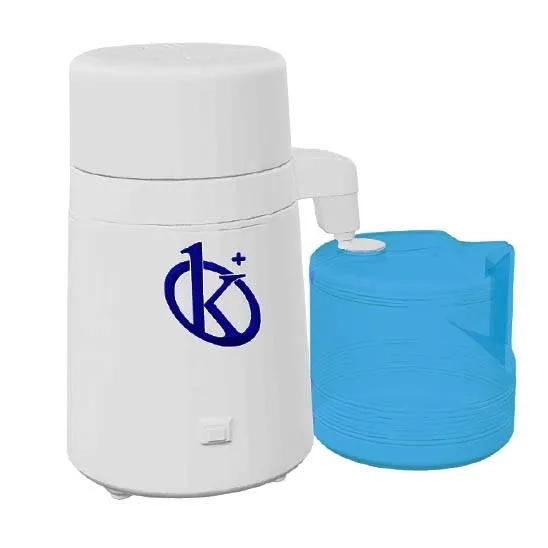
Plastic water distillers are lightweight and non-fragile, so they are easier to handle and move around. Also, these kinds of distillers are generally cheaper than glass distillers. A good plastic water distiller is made of BPA-free plastic, which makes it safer than other plastic forms, as BPA-free material does not chemically interact with the hot water and does not release harmful compounds into the output water. But other plastic water distillers may leach chemicals into the water, so they're not recommended. Despite these benefits, these water distillers may not be as durable as the glass water distillers because they become more fragile, hazy, and lower in quality over time. In the end, the plastic water distiller is ideal for those looking for a lightweight, cost-effective water distiller.
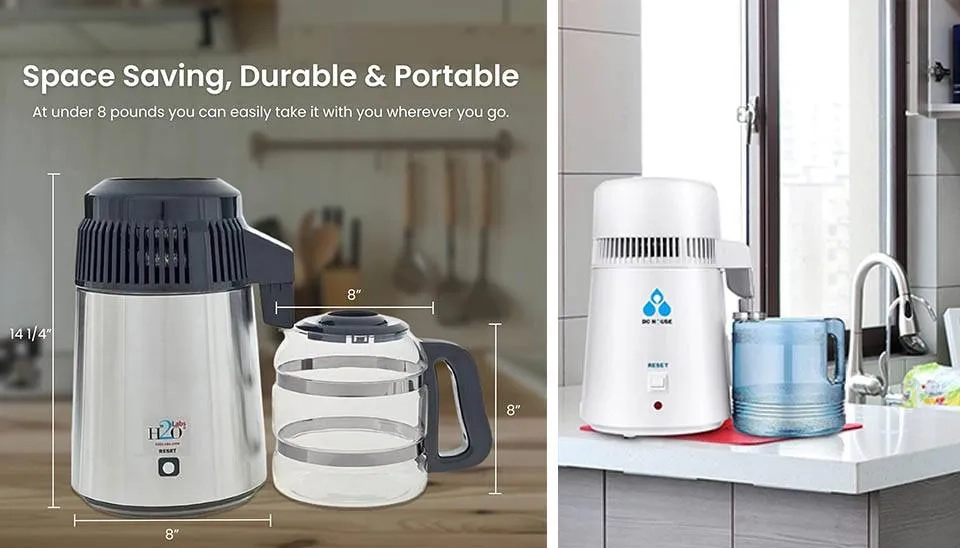
Although glass water distillers are heavier and more difficult to move, they are more favorable because of their durability and heat resistance. These distillers ensure more purity, as glass does not react chemically with the water, and they are more resistant to scratches and high temperatures.
Just be careful, as a glass water distiller may break if it is hit hard.
Finally, the choice between a plastic water distiller and a glass water distiller depends on your specific needs and preferences; by considering each type's pros and cons, your budget, and your preferred performance, you can choose the right one.
2.2. Power
Water distillers purify water through boiling and condensation, which both require a significant amount of electricity. Most home distillers run at 580 W or 750 W; higher power means faster distillation but more electricity use.
2.3. Special Features
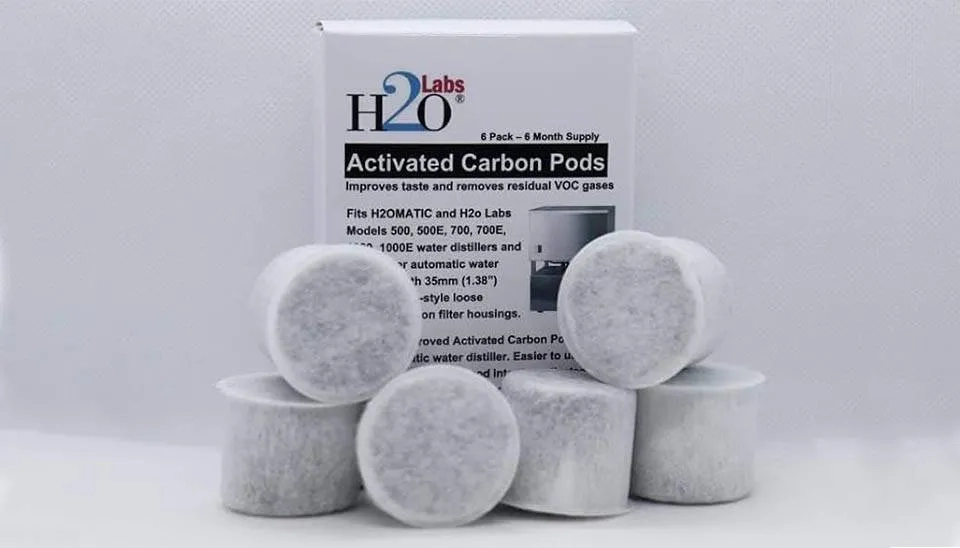
Some distillers have special features, such as activated carbon pods that play a crucial role in the distillation process as they absorb the contaminants and improve the taste and odor of the resulting water. These pods also make the product easier to use and increase its lifespan.
3. Assessing Your Specific Needs Before Purchase
Based on the considerations discussed in this guide, to choose a better water distiller, first define your budget, then compare the models, check which features matter most to you, and shortlist 3 or 4 products. Among them, the model and company that offer better value or customer service are the right choice. Finally, you can select a water distiller that is appropriate to your needs and your budget by evaluating these factors carefully.
3.1. Calculate Your Requirements
You need to follow some steps to calculate your requirements if you want to find a suitable water distiller. When you want to buy a water distiller, the first step is to define how much purified water per day you need. Most models can produce clean water, but their speed and quality differ. If you need lots of water, it's better to choose a qualified and durable model with fast heat dissipation, which can start the next cycle sooner. You can estimate your daily water needs by adding up each person's consumption and additional uses, like cooking. Remember to consider future consumption as well, as it might increase. The second step is to consider your time. If you are busy, we recommend a faster, automatic model that requires less frequent cleaning and maintenance.
3.2. Evaluate the Existing System
To be confident that a water distiller will work efficiently for you, evaluate your current situation and the product by considering aspects such as:
Check performance data like water quality and output volume. Test the water distiller with your local water to see if it works properly and if the output water is pure and sufficient.
Pay attention to the physical situation, like your kitchen or counter, and the characteristics of the water distiller, like the boiling chamber, final container, and condenser that were thoroughly covered in the earlier section. Remember to check any physical items like seals, gaskets, and chambers as soon as you receive your water distiller; if any are damaged, replace them before use.
Inspect the previous customer reviews and feedback about the quality, efficiency, and support system to see whether the company has responded and fixed issues. How quickly the company responds is also important.
3.3. Set Your Budget
When setting your budget, consider both the initial cost and the upcoming expenses, like the shipping cost, the installation and maintenance process cost, and future repair costs.
You can balance cost-effectiveness and product quality by keeping your needs and expectations in mind. Don't forget this fact: the cheapest pure water distiller is not necessarily the most economical, as performance, durability, and long-term use definitely impact affordability. Remember to consider the operating cost, including electricity usage and filter replacement, as well.
4. Mistakes to Avoid When Choosing a Water Distiller
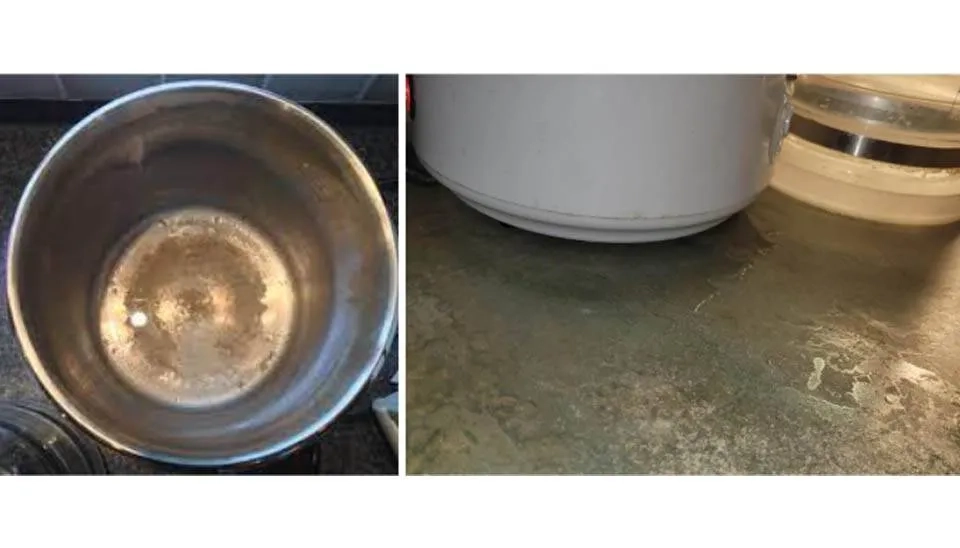
According to critical reviews of distillers on Amazon and other platforms, users have faced some common problems, and knowing them helps you avoid the same mistakes. For example, some customers cleaned the chamber and container incorrectly when removing rust or sediment. To increase cleaning efficiency, it is suggested to read the user manual completely, as some companies say their product should be cleaned only with water and vinegar, not chemical cleaners. Also, some surfaces may cause an operational problem, like making the distiller noisy or reducing its function. To prevent this kind of issue, a smooth, flat surface is necessary before water distiller installation.
Replacing the filter regularly (in some models once a week) is another consideration; some users don't do this, which causes operating problems. Finally, some precautions should be considered due to water distiller characteristics, like ensuring a reliable electricity supply before installation, making sure the glass container is not cracked, which causes leaks, and supervising the boiler and checking the heat for products which do not have an “Auto shut off” ability. A distiller may also stop working because of a power problem, and to prevent this from happening, you need to check if the connection on your distiller meets the house voltage requirement. For example, many models come in 110-120V versions for the US and 220-240V versions for the UK and Europe.
5. Checklist for Choosing the Ideal Water Distiller
Have you checked your region's water quality? (How many impurities does it have, and have people in your area had good experiences with a model?)
How much purified water do you need per day? (Consider the water distiller capacity and efficiency.)
Have you prepared your surface, good ventilation, a suitable electrical outlet, and a nearby water tap before installation?
Did you check the voltage of your water distiller to ensure it meets your house's voltage capacity?
Have you set your budget to buy the most cost-effective water distiller?
Did you check the product's warranty and durability?
Have you checked the certification, brand reputation, and standardization of your selected products?
Have you considered the power of each distiller, as their operation and distillation speed depend on the power amount?
Are you interested in buying a product that has special features? Some distillers have extra features, such as activated carbon pods.
6. Where to Buy a Water Distiller
Leading retailers like Amazon offer a wide range of water distillers, and their customer reviews and product descriptions are more extensive than those on other websites. However, eBay and Walmart are also good options for searching, investigating, and ordering products. Finally, manufacturers' websites and other online shops compete on price, so you can compare them to find the lowest price for your selected water distiller.
7. Conclusion
After reviewing all the features of water distillers, each model has its own strengths and advantages. So choosing the right option depends on your specific needs, such as your daily water consumption, your available space for installation and, of course, your budget. A smart decision is supported by setting a reasonable budget and planning for long-term servicing. You can choose a long-lasting and effective model by considering key factors, including material quality, energy efficiency, simple maintenance, etc.
Comparing various products and evaluating the specifications and previous customer feedback are the most reliable ways to find the ideal water distiller for your home or business. Remember that with appropriate usage, along with regular and proper maintenance, your water distiller will last longer and give you more years of safe drinking water. Finally, by following this buying guide and the checklist provided, you can choose a water distiller that matches your requirements and improves the quality of your drinking water.
Frequently asked questions
Quick answers to common questions.

Comments
No comments yet
Be the first to comment
Share your thoughts and start the conversation.