Endoscope Camera Guideline: How to Choose the Right Model for Your Needs
See the Unseen: Your Ultimate Path to Choosing the Perfect Endoscope.
AAlireza Moradi
· 20 min read· 89 views
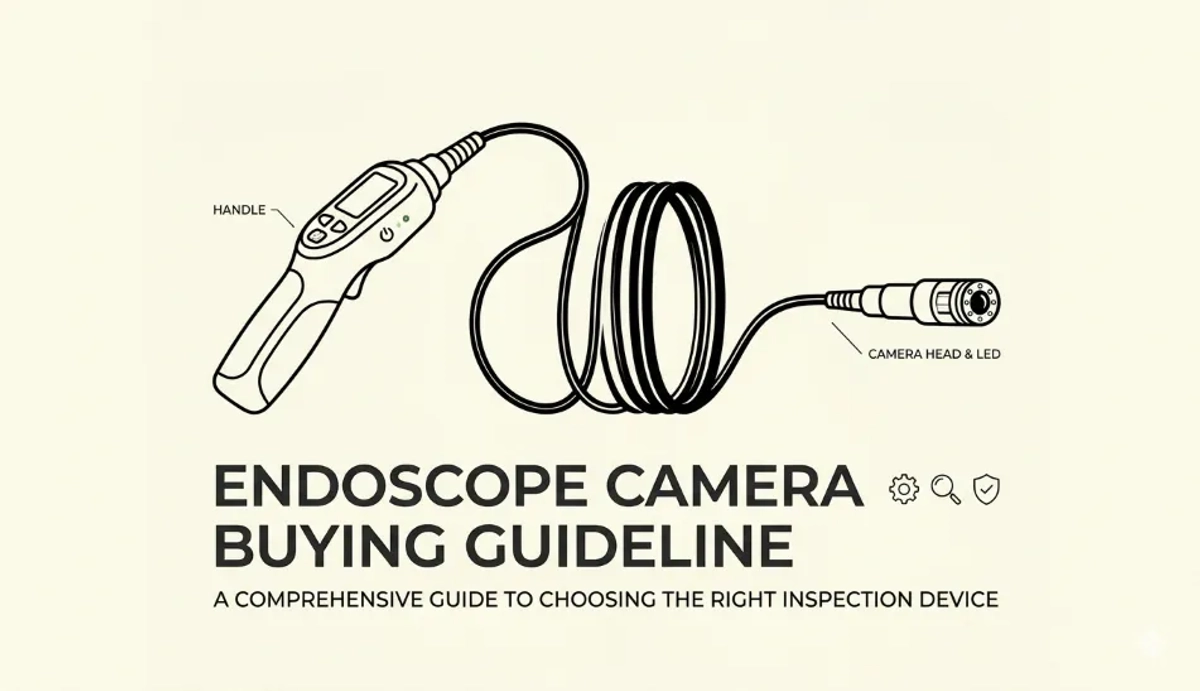
You likely want to purchase the best endoscope camera but don't know where to begin. Endoscope cameras are essential tools for inspecting inaccessible areas with clarity and precision. These cameras are widely used for different industries and applications such as pipes, drains, utilities, etc. Endoscope cameras enable users to identify issues such as blockages, leaks, and damages by providing clear visuals of inaccessible areas without the need for invasive actions. Modern endoscope models are equipped with advanced technologies and features such as high-resolution imaging, LED lighting, and flexible cables for various reliable inspections.
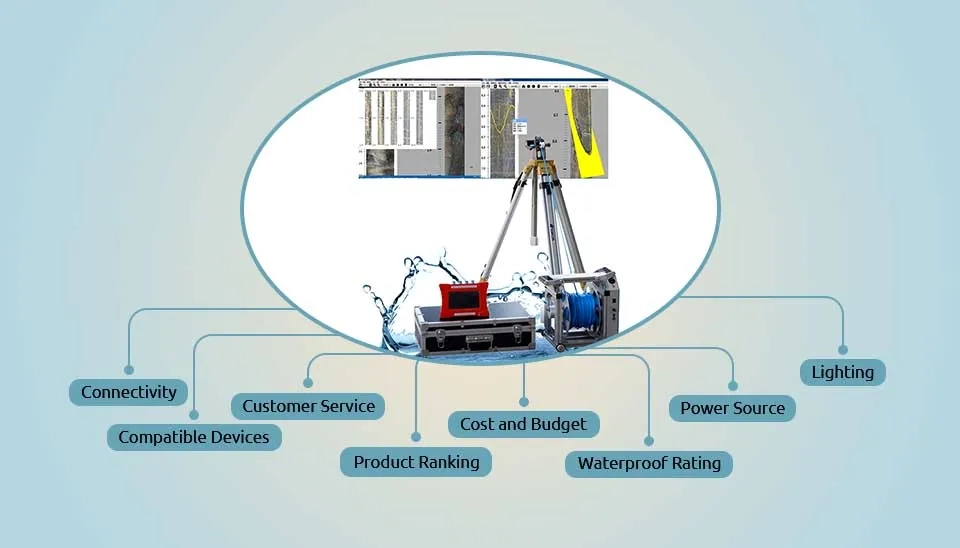
Fig. 1. Endoscope Camera Guideline for Professional Inspections
Choosing the right endoscope camera is crucial to achieving accurate inspections and efficient operations. A poorly chosen model may result in unclear and limited functionalities or lack of compatibility with specific applications. Key factors to consider in the right endoscope cameras should be attention by customers. This borescope camera guideline provides a comprehensive overview of the top options and step-by-step approaches and considerations to help you buy the best endoscope camera based on your requirements.
1. Key Considerations for Choosing the Right Endoscope Camera
When buying an endoscope camera, several factors must be considered to ensure you choose the best option for your needs. Here are key considerations to help you make an informed decision when choosing the right endoscope camera:
1.1. Purpose and Application
The first step to selecting an endoscope camera is to clearly specify the purpose and application of your desired product. Different situations, environments, and tasks require tailored endoscope types and solutions. Thus, choosing the right endoscope will ensure optimal performance and reliability. For industrial inspections such as pipelines or mechanical system monitoring, you will need an endoscope with high-resolution imaging, adjustable LED lighting, and a waterproof design. These features allow for precise and clear inspection even in dark and wet environments and conditions, which make selected endoscopes ideal for locating blockages, detecting corrosion, and assessing equipment wear and tear.
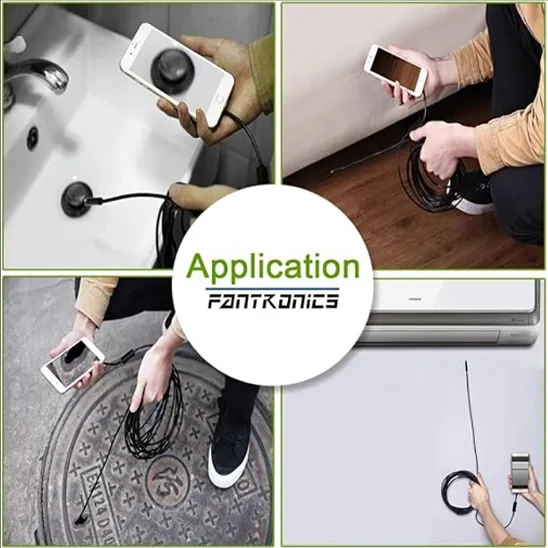
Fig. 2. Endoscope Camera Guideline: Identifying Leaks and Blockages
If you focus on automotive diagnostics, choose a flexible wireless endoscope camera for engine compartments or vehicle components. Devices with smaller probe diameters and high maneuverability can easily access tight spaces, which helps to identify issues such as leaks, wear, and damage without the need for extensive disassembly. For home maintenance, choose a user-friendly wireless endoscope with app connectivity and easy-to-use controls. These devices are perfect for inspecting household pipes, drains, and ventilation systems, which enable quick identification of blockages and damage problems and exploring confined spaces.
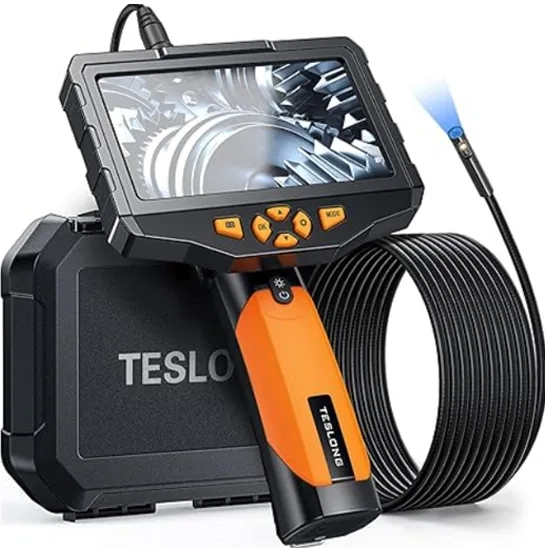
Fig. 3. Digital Endoscope Camera Guideline: Dual Lens Features
1.2. Technological Integration and Features
When selecting the right endoscope camera based on your purposes and applications, understanding the features and technological integrations of each model is crucial to choosing the most suitable endoscope camera and making an informed purchase. Well-integrated endoscope options include high-quality imaging capabilities, robust connectivity options, versatile cable designs, efficient lighting solutions, and additional features that enhance usability. These features and technological integration are explained below in detail:
1.2.1. Camera Features
Camera features are essential in determining and purchasing the effectiveness of an endoscope. Most modern endoscopes are equipped with 2-megapixel sensors to capture high-definition video and images. For instance, the DEPSTECH Wireless Endoscope captures video in MP4 format at resolutions of up to 1920x1080, and the NIDAGE Wireless Endoscope provides high-resolution outputs in multiple formats, such as AVI and MJPEG with 1920x1080, 1280x720, and 640x480 resolutions. Dual-lens options such as those in the Teslong Inspection Camera offer enhanced versatility with front and side views to improve clarity in complex conditions. These features and capabilities help you with detailed inspections in low-light or visually complex environments and ensure clear identification of issues such as leaks, blockages, and structural irregularities.
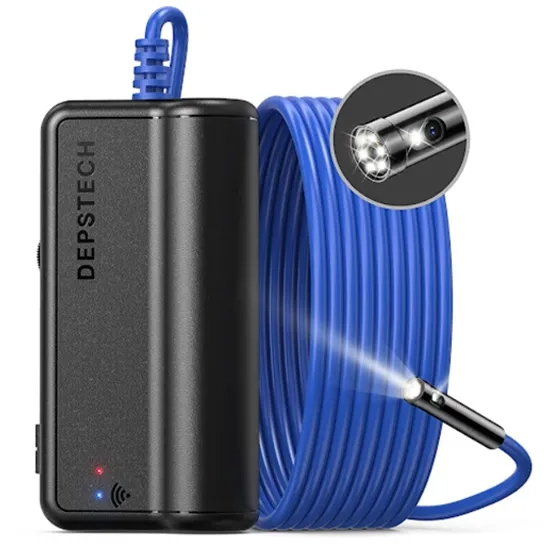
Fig. 4. Endoscope Camera Guideline: Setting Up Wireless Models
1.2.2. Connectivity
Wireless and USB connectivity is another critical factor that influences the usability of an endoscope camera. Most endoscope models use Wi-Fi technology to allow connection with Android and iOS devices. For example, the Teslong Dual Lens Endoscope uses Wi-Fi connectivity for quick and easy viewing on smartphones, or models like the TAKMLY endoscope and LotaTools Two-Way Articulating Borescope use a USB Type-C connection to make it compatible with a range of devices such as PCs and MacBooks. Thus, it is important to choose a model that offers a reliable and lag-free connection to facilitate real-time inspections and recording.
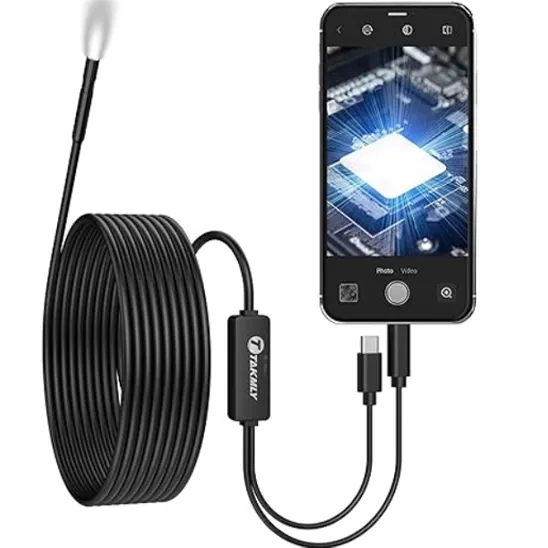
Fig. 5. USB Endoscope vs. Articulating Borescope Comparison
1.2.3. Cable Length and Type
The length and type of cable are important in affecting the functionality and reach of the endoscope. Flexible or semi-rigid cables are ideal for maneuvering through tight environments and allow for complex inspections of plumbing systems, electrical installations, and HVAC ducts. Models like DEPSTECH and Teslong camera feature an 11.5-foot cable and an impressive 16.4-foot flexible probe, respectively. In contrast, shorter cables may limit accessibility but can be advantageous for precision tasks. Therefore, you need to assess your specific inspection needs to determine the ideal cable length and type.
Table. Cable Length and Type of Some Popular Endoscope and Borescope Inspection Cameras
Product Name | Cable Length | Cable Type |
DEPSTECH Wireless Endoscope Camera | 11.5 ft | Semi-rigid |
Teslong Dual Lens Endoscope Camera | 16.4 ft | Flexible |
NIDAGE Wireless Endoscope Camera | 4.92 ft | Semi-rigid |
T TAKMLY Borescope Inspection Camera | 16.4 ft | Semi-rigid |
LotaTools Two-Way Articulating Borescope | 3.3 ft | Flexible |
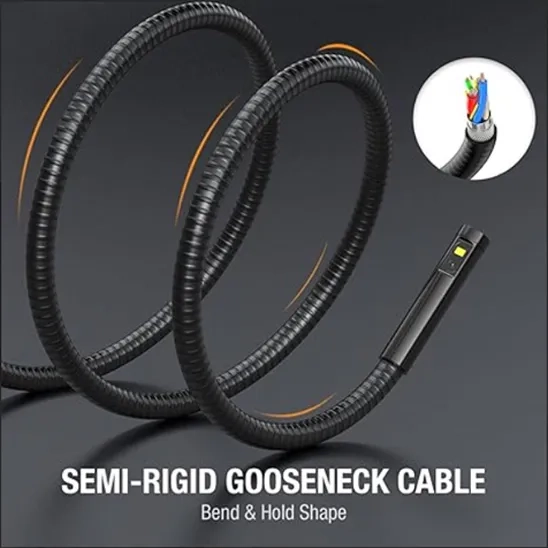
Fig. 6. Endoscope Camera Guideline: Benefits of Semi-Rigid Cables
1.2.4. Lighting
The quality of lighting is crucial when selecting an endoscope to ensure clear visibility in dark and confined spaces. Many endoscope cameras are equipped with adjustable LED lights that enhance visibility and illuminate the inspection environments effectively. For example, the DEPSTECH Wireless Endoscope features six adjustable LED lights, which make it suitable for different low-light and wet environments. The Teslong Dual Lens Endoscope is fitted with seven adjustable LED lights, which provide optimal brightness and clear views. Products such as the LotaTools Two-Way Articulating Borescope provide more LED lights for clear visibility in dark areas and enhance their functionalities. Therefore, look for models and products that allow you to control the brightness level of the LEDs to optimize your ability to capture detailed images and videos in different conditions. A robust lighting system can be an important factor in the effectiveness of your inspections.
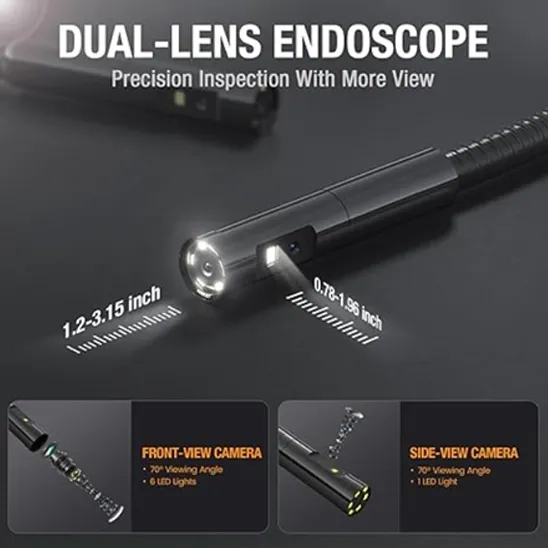
Fig. 7. Endoscope Camera Guideline: Importance of LED Lighting
1.2.5. Additional Features
In addition to the primary features of capturing images and videos, endoscope cameras include additional features and functionalities to improve their applications and adaptability. Compatibility with smartphones and various devices is crucial and also increasingly common to provide greater flexibility in viewing and sharing their inspection results. Waterproof functionalities are another important feature to enable them to operate in wet conditions without decreasing their performance. Products such as the Daxiongmao and FANTRONICS cameras are waterproof and IP67-rated. Moreover, built-in screens for real-time viewing, such as those included in the Daxiongmao model, can enhance their user-friendly characteristic. So consider which additional features align with your specific goals and needs when choosing the desired endoscope camera to ensure the most informed and suitable decision for your inspection tasks.
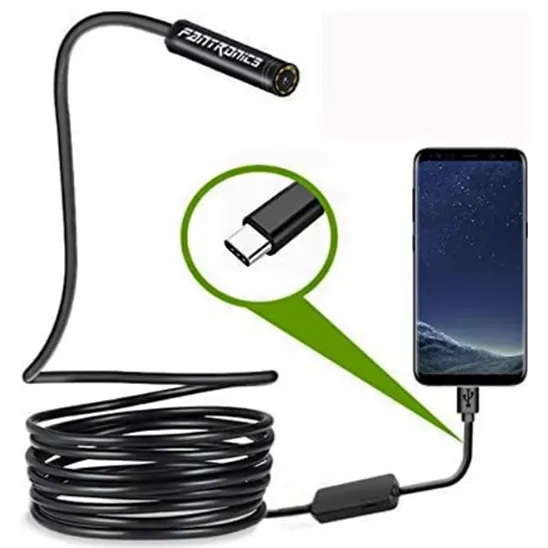
Fig. 8. Endoscope Camera Guideline: Affordable USB Snake Models
1.3. Cost and Budget
When choosing an endoscope camera, you need to consider your budget and how much you are willing to pay based on your needs. The available endoscope cameras on the market offer a wide range of features and applications, and because of that, they offer affordable entry-level models to more advanced and high-priced cameras with enhanced technologies. You can find some popular endoscope cameras along with Their prices, which range from affordable and budget models to premium and high-priced ones, are sorted below to assist you in making a cost-effective choice.
Table. Comparison of Endoscope Cameras by Price
Product Name | Original Price |
Hopefox Endoscope Inspection Camera Waterproof WiFi USB for iPhone Android | $15.99 |
USB Snake Inspection Camera, FANTRONICS USB C Borescope Camera with 8 LED Lights for (16.4ft) OTG Android Phone, Windows PC, MacBook | $18.98 |
USB C Endoscope for OTG Android Phone, Computer, 5.5 mm Borescope Inspection Snake Camera Waterproof, 16.4 Ft Semi-Rigid Cord with 6 LED Lights, Compatible with Windows PC, MacBook | $29.99 |
DEPSTECH Wireless Endoscope, IP67 Waterproof WiFi Borescope Inspection, 2.0 Megapixels HD Snake Camera for Android and iOS Smartphones, iPhones, iPads, and Samsung (11.5 FT) | $36.99 - $37.99 |
NIDAGE Wireless Endoscope for Automotive Inspection Semi-Rigid Flexible Waterproof 5.5MM WiFi Borescope Camera Compatible Android and iOS Smartphones, iPhone, iPad (4.92 FT) | $39.99 |
Daxiongmao Borescope, 4.3" Endoscope Camera with Light, IP67 Waterproof Endoscope, 1080 HD Inspection Camera, Borescope Camera with Light, Snake Camera, 16.5ft Endoscope Camera, Gadgets for Men | $39.99 |
Teslong Inspection Camera, Dual Lens Endoscope Camera with Light 5" IPS Screen Digital Industrial Borescope, 1080P Endoscope Waterproof Flexible Probe Borescope Camera with Light (16.4ft) | $179.99 |
Prices for endoscope cameras vary considerably, from budget options like the Hopefox Endoscope Inspection Camera and the FANTRONICS USB Snake Inspection Camera at prices below $20, which may suffice for general applications in the house, to higher-end models like the Teslong Inspection Camera priced at $179.99, which include advanced features for professional usages. By assessing your specific needs, such as basic home repairs to advanced and detailed inspections, you will determine the best fit for your budget.
1.4. Customer Service
The manufacturer’s customer service quality and warranty coverage can make a difference in your endoscope camera choice. Look for brands and models that provide responsive and accessible customer support, such as clear contact information, user manuals, and troubleshooting help, especially for professional or complex applications. Products with warranties and satisfaction guarantees also lead to your satisfaction and give you peace of mind in your choice.
1.5. Materials and Durability
The durability of an endoscope camera is an important factor, especially for industrial and outdoor usage, to ensure its durability and longevity. Models and cameras with high-quality materials such as semi-rigid cables and reinforced casing have high priority since they withstand bending, water exposure, and accidental drops. Features such as reinforced cables, water-resistant designs, and IP67 ratings are found in many models. Products like the Teslong Dual Lens Endoscope Camera and Daxiongmao Inspection Camera, which have metal bodies and reinforced designs and materials, are well-suited for demanding and adverse conditions and environments.
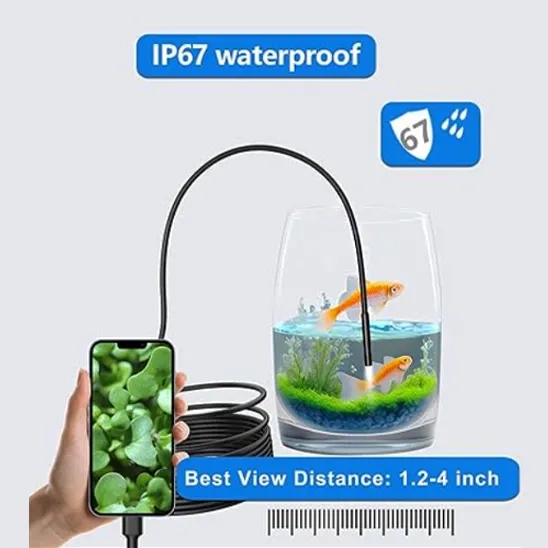
Fig. 9. Endoscope Camera Guideline: Understanding IP67 Ratings
1.6. Installation Requirements and Maintenance
Different endoscope cameras have different levels of complexity during their installation and maintenance. Maintenance practices such as cleaning and storing waterproof probes or replacing batteries should be simple to ensure effective operation. Some models may require specific configurations or software to function correctly. Thus, ensure that the endoscope camera you select is compatible with your devices and operating systems. Devices with plug-and-play functionality, such as the TAKMLY Borescope, ease the setup process, which makes them suitable for beginner users. A user-friendly design with clear instructions and compatible accessories will help extend the life of the device and ensure long-term optimal performance.
1.7. Power Source
The power source of an endoscope camera is another important consideration since many models, like the DEPSTECH Wireless Endoscope and the NIDAGE Wireless Endoscope, are equipped with rechargeable lithium batteries to provide consistent long-term performance without frequent need for battery changes, or devices like the FANTRONICS USB Snake Camera connect directly to a computer or phone for power supply. So, consider battery life and the ease of recharging, especially when you use the camera for extended periods in remote locations. Evaluate your operational needs and ensure that the model you select and buy meets your needs regarding power efficiency and convenience.
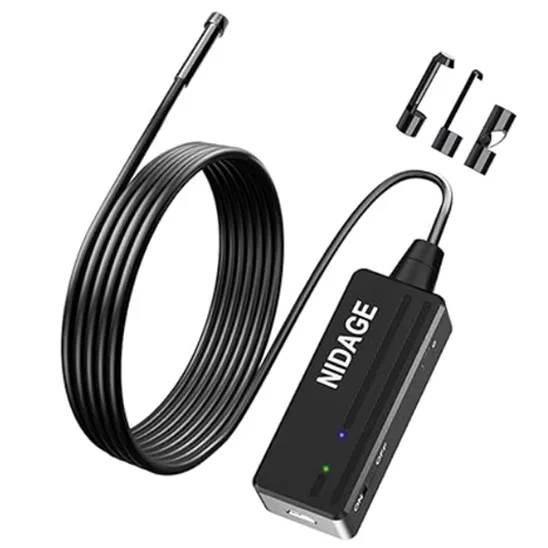
Fig. 10. NIDAGE Wireless Endoscope Camera for High-Res Imaging
Table. Power Source of Some Popular Endoscope and Borescope Inspection Cameras
Product Name | Power Source |
DEPSTECH Wireless Endoscope Camera | 1 Lithium Polymer battery (included) |
Teslong Dual Lens Endoscope Camera | 1 Lithium Ion battery (included) |
NIDAGE Wireless Endoscope Camera | 1 Lithium Metal battery (included) |
T TAKMLY Borescope Inspection Camera | USB-powered |
LotaTools Two-Way Articulating Borescope | USB-powered |
1.8. Compatible Devices
Compatibility is another key consideration in choosing the right endoscope camera to ensure integration with your available and preferred devices. For Android users, the DEPSTECH Wireless Endoscope, NIDAGE Wireless Endoscope, USB-C Endoscope, and FANTRONICS USB Snake Inspection Camera provide perfect support for several Android smartphones. Windows PC users can choose the USB C Endoscope or FANTRONICS USB Snake Inspection Camera, which are suitable for Windows (desktop)-based applications. MacBook users can use the USB-C endoscope and FANTRONICS models for their desired inspections. For iOS users, the DEPSTECH Wireless Endoscope and NIDAGE Wireless Endoscope are standout choices and are compatible with iPhones and iPads. Standalone devices like the Teslong Inspection Camera, Daxiongmao Borescope, and Hopefox Endoscope are ideal cameras for users who do not have or require device-based integration. Thus, you can select an endoscope camera for your operational needs based on the capability of different endoscope cameras with your available device.
1.9. Product Ranking
Product ranking plays a crucial role in helping consumers identify high-quality items from a vast array of options. Despite traditional rankings, which rely solely on customer reviews or raw rating scores, which can be skewed if a product has too few reviews or receives an unusual number of high or low ratings, Bayesian ranking considers both the average rating and the total number of reviews and effectively balances popularity and rating reliability. This method provides a more reliable ranking, especially for products with fewer reviews, This method prevents products with only a few reviews from ranking above well-established products just because of a high average. Thus, we have provided a complete comparison of product rankings based on Bayesian ranking. Results show that the DEPSTECH Wireless Endoscope Camera has the highest Bayesian rank due to a strong balance between high ratings (4.2) and an impressive number of reviews (21,155). Products like the Teslong Dual Lens Endoscope Camera and NIDAGE Wireless Endoscope Camera also maintain high positions, reflecting both solid ratings and significant review counts. Bayesian ranking offers a fairer approach, ensuring customers see the best options based on a combination of trustworthiness and popularity. This comparison enhances the shopping experience and leads to a well-informed decision process.
2. Borescope vs. Endoscope: Comparing Different Camera Types
Endoscope cameras include different types; each type is suitable for specific needs and applications. Wireless endoscopes, such as the DEPSTECH Wireless Endoscope and NIDAGE Wireless Endoscope, have unmatched portability features and ease of use by connecting directly to smartphones and tablets via Wi-Fi. These devices are suitable for mobile inspections and remote access areas. In contrast, USB endoscope cameras like the FANTRONICS USB Snake Inspection Camera and the USB C Endoscope are designed for users who want to use direct connections to their computers or compatible devices. These types of cameras have consistent performance for extended use in industrial applications. Standalone endoscopes, such as the Teslong Inspection Camera and Daxiongmao Borescope have built-in screens and do not need external devices. Standalone endoscopes are suitable for users who prefer independence from computers and smartphones. When comparing different types of endoscope cameras, consider factors such as connectivity, intended usage, and compatibility to choose an endoscope camera that perfectly matches your application requirements and work environments.
3. How to Assess Your Needs Before Buying an Endoscope Camera
Before purchasing the right endoscope camera, it's essential to assess your specific needs to choose a device that meets your requirements effectively. This involves calculating measurement needs, evaluating existing products, and establishing a realistic budget. Following these steps ensures an informed purchase that aligns with your usage goals.
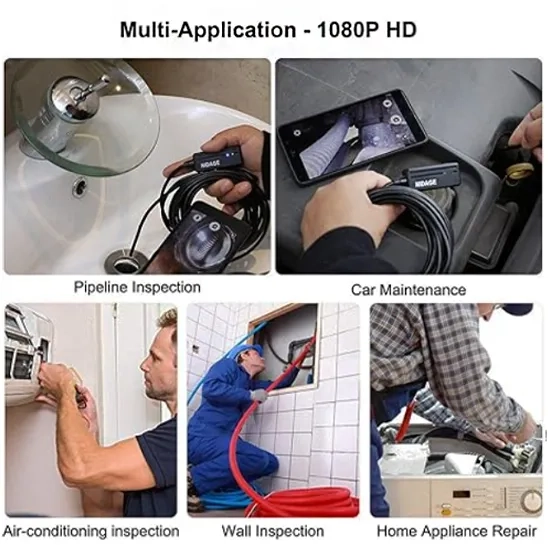
Fig. 11. Endoscope Camera Guideline: Identifying Your Project Scope
3.1. Calculate Your Requirements
First, calculate your requirements to understand and specify specific tasks you intend to perform with the endoscope cameras. To do this, begin by identifying the purpose of the camera and inspection environments and conditions, such as plumbing, household, or industrial inspections, and also determine the required resolution, field of view, and strength of focusing. Consider if you need additional features like dual-lens capability and adjustable LED lighting. And waterproofing for inspections in liquid and wet areas. Also, consider the physical constraints of the environments you will inspect, such as tight and dark conditions or the need for flexible or rigid cables, specific cable lengths, and durability for extreme conditions. By clearly defining these needs, you will be able to focus on the model that matches your goals.
3.2. Evaluate the Existing System
After calculating your needs, evaluate the existing endoscope camera options by examining the features of your current inspection tools. Consider power sources (USB, battery-operated, and rechargeable units), connectivity options (Wi-Fi or USB), and compatibility with devices like smartphones. Review the product ranking to see the full product comparison and guide your selection process. Bayesian ranking provides an insightful balance between consumer ratings and review volume. Among the products, the DEPSTECH Wireless Endoscope Camera ranks highest due to favorable customer reviews and ratings, followed by models like the Teslong Dual Lens Endoscope Camera and the NIDAGE Wireless Endoscope Camera, which offer unique features and technologies.
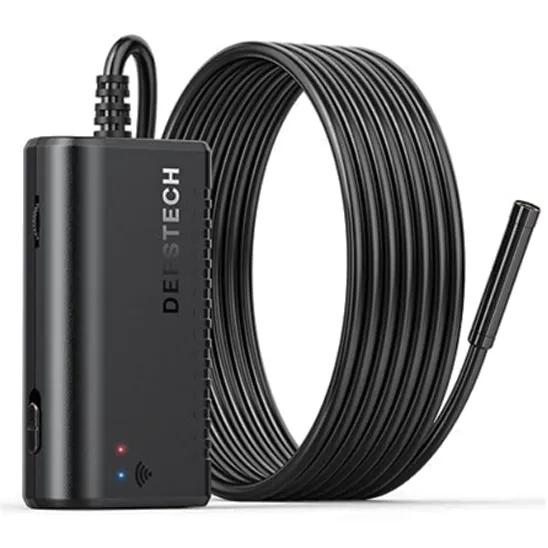
Fig. 12. DEPSTECH: Top-Rated Wireless Endoscope for Professionals
3.3. Set Your Budget
Finally, set your budget for purchasing an endoscope camera by balancing your specific needs and the available product options. Popular models offer various prices to accommodate different budgets. The DEPSTECH Wireless Endoscope, priced at $36.99–$37.99, offers affordable wireless functionality, or the Teslong Inspection Camera ranges from $145.99 to $149.99. Mid-range options like the NIDAGE Wireless Endoscope ($39.99) and T TAKMLY Endoscope ($29.99) provide reliable performance. Budget-friendly choices include the FANTRONICS Borescope ($18.98), Daxiongmao Endoscope ($39.99), and the economical Hopefox Endoscope (£12.99) for basic inspections. By comparing features and pricing, you can select a model that fits your needs and stay within your budget.
4. Common Mistakes to Avoid When Choosing Your Endoscope
When selecting an endoscope camera, it is crucial to consider potential mistakes based on critical feedback from users. One common issue is poor image quality, such as blurry and distorted visuals, which can negatively affect the performance of the endoscope cameras for detailed inspections. Some models suffer from limited focus ranges or difficulties in tight or varied conditions and environments, which make them unsuitable for some tasks. Insufficient lighting can also negatively affect the camera's effectiveness in dark spaces.
Durability issues such as flimsy cables, fragile components, and poor build quality are other frequent concerns that result in devices breaking after minimal use. Connectivity issues such as unreliable Wi-Fi and USB connections and signal failure can disrupt the user experience and limit functionality. Moreover, battery life is another critical consideration since some devices may drain quickly, which reduces their performance for extended use. Design flaws such as bulky camera heads, challenges in app compatibility or setup, and poor quality control like defective units and misleading specifications are other issues and mistakes that should be considered before purchasing the desired endoscope camera.
5. The Ultimate Endoscope Camera Buying Guideline: A Quick Checklist
Have you confirmed that the endoscope camera is compatible with your device? (e.g., Android, iOS, Windows, or Mac system)
Does the endoscope camera offer connectivity options based on your needs? (e.g., USB, Wi-Fi, or Type-C interfaces).
Does the endoscope camera provide the desired resolution and an adjustable focus range you need for clear images and videos? (e.g., 1080P or higher) Have you considered a dual-lens option for more detailed and advanced inspections?
Is the cable length sufficient for your tasks? (e.g., short lengths for tight and small spaces or longer ones for pipes and inaccessible areas). How about semi-rigid or flexible cables for better maneuverability in tight spaces?
Are there adjustable LED lights for better visibility in dark and confined spaces? Does the camera provide additional lighting for side views?
Is the device certified for waterproofing, such as an IP67 rating for use in wet conditions?
Is the camera lightweight and does it have a compact design for easy operation?
Have you checked the power source of the camera? (e.g., built-in rechargeable batteries or replaceable options). If the power source is a battery, is the battery life sufficient for your application?
Does the device support the media formats you need for recording? (e.g., MP$ for videos or JPG for images)
Is the camera compatible with your intended applications? (e.g., plumbing, pipe inspections, etc.).
Is the endoscope camera within your budget and does it also meet all the essential features you require?
Have you verified the material and build quality of the camera? (e.g., metal-reinforced designs for longevity). Is the camera resistant to extreme conditions for industrial use? Does the product have a warranty for added assurance?
Have you read customer reviews from online platforms to confirm the product’s reliability and performance?
6. Where to Buy the Best Endoscope Cameras: Top Recommendations
Several trusted retailers and suppliers offer a wide range of products to suit various needs when purchasing reliable endoscope cameras. Our investigation reviewed 46 endoscope cameras across various platforms and suppliers. The majority (approximately 83%) of endoscope cameras are available on Amazon, which makes it the suitable platform to purchase these devices. Amazon offers vast and different types of endoscope cameras, ranging from budget models to advanced wireless and dual-lens devices. The platform also provides comprehensive user reviews and detailed product descriptions, which help you make informed decisions due to its extensive range.
About 11% of the reviewed endoscope cameras are available at Walmart, which is another reliable option for seeking products. The remaining 6% of cameras can be found on other online platforms like eBay. However, the majority of top-rated products based on the Bayesian ranking systems are available on Amazon due to the high total number of reviews on this, making it the preferred platform.
7. Conclusion
Choosing the best endoscope camera requires careful evaluation of your needs, technical features and technologies, and budget. By calculating your requirements, assessing existing systems, and setting a budget, you can ensure a well-informed decision that meets your goals. Key considerations include image quality, camera features, lighting, cable length, and materials to ensure that the product fits the intended application and environment. Evaluating top-ranked options, such as the DEPSTECH Wireless Endoscope or Teslong Inspection Camera, provides insights into performance and customer ratings and satisfaction. You can select an endoscope camera that delivers value, efficiency, and effectiveness through understanding your requirements and prioritizing critical features
Frequently asked questions
Quick answers to common questions.









Comments
No comments yet
Be the first to comment
Share your thoughts and start the conversation.