How to Choose the Right Rain Barrel for Your Needs: A Comprehensive Buying Guide
Harvest the sky’s gift and transform every raindrop into a thriving garden.
EErfan Zarei
· 30 min read· 77 views
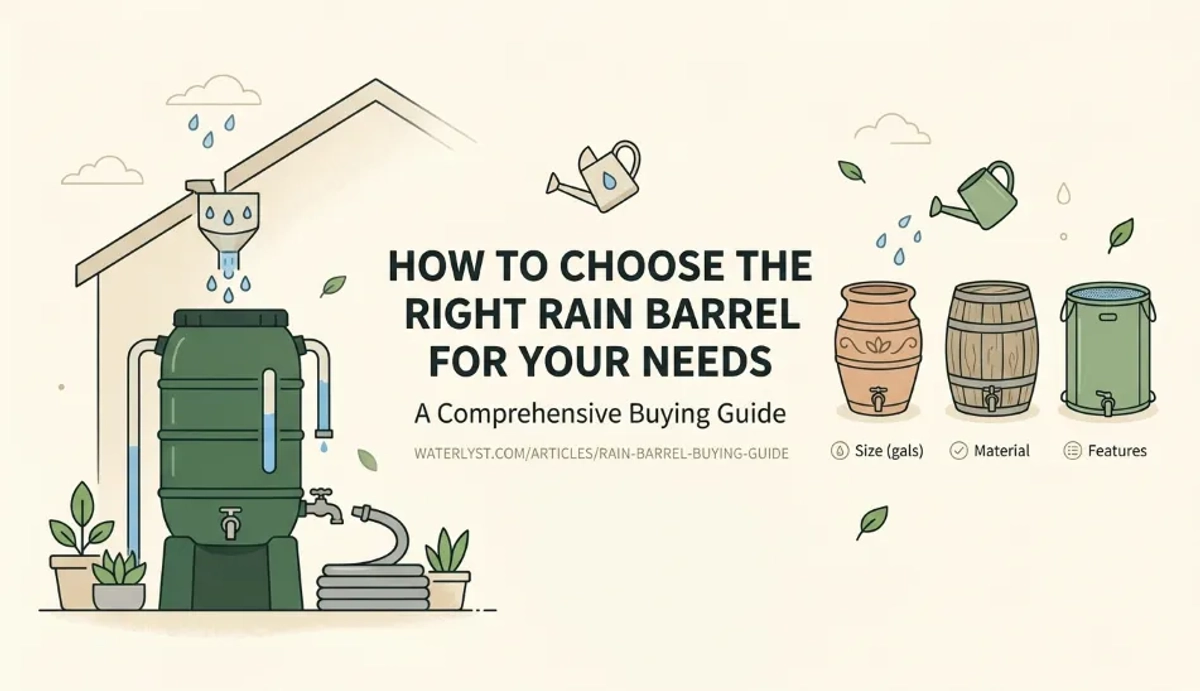
Harvest the sky’s gift and transform every raindrop into a thriving garden.
Quick answers to common questions.
You do not know what to do with the excessive amount of water produced by rain on your property? The answer is a rain barrel. Rain barrels capture water from a roof and hold it for later use, such as on lawns, gardens or indoor plants. Collecting roof runoff in rain barrels reduces the amount of water that flows from your property. Aside from its environmental benefits, a rain barrel is also a cheap way of conserving water, especially during periods of drought when water use restrictions may be imposed. Since rainwater is naturally soft and chlorinated-chemical-free like tap water, it can be particularly beneficial for plants. Nevertheless, it should be noted that rainwater collected in barrels is not always safe to drink unless properly treated and filtered to remove impurities. This comprehensive buying guide will provide you with essential information about rain barrels, including their benefits, key features to consider, and factors to keep in mind when selecting the right one for your needs. With the right rain barrel, you can make the most of nature’s free water supply while promoting sustainability.
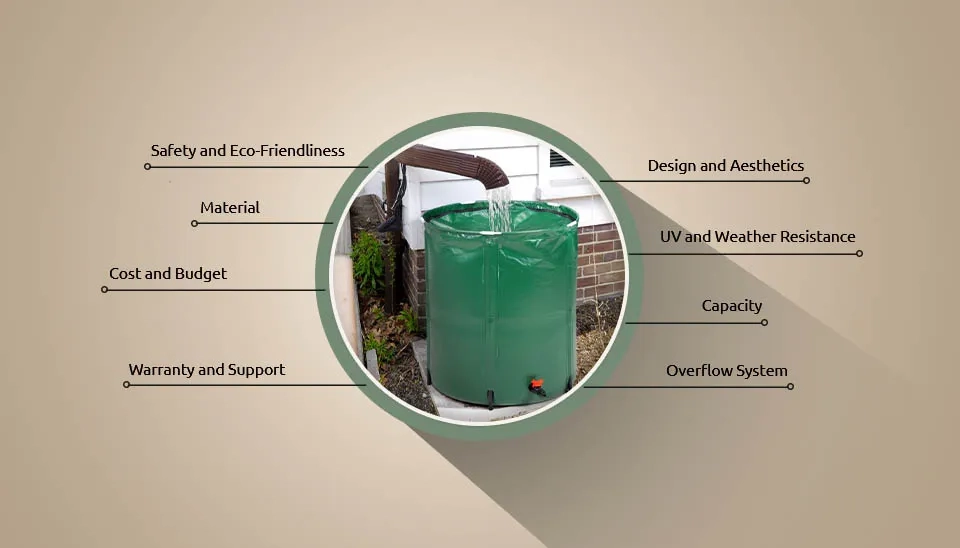
Fig. 1. Using a rain barrel to collect roof runoff for sustainable gardening.
There are several factors that need to be considered before buying a rain barrel. In this section, we will delve into the size and capacity, material, product ranking and other relevant criteria about rain barrels.
The first and foremost step in purchasing a rain barrel is to determine your goal and application. Stormwater is water that does not infiltrate into the ground; it flows across the ground and impervious surfaces into streams, rivers, lakes, etc. Homeowners can implement Best Management Practices (BMPs) to reduce the amount of stormwater leaving their property. Installing rain barrels under downspouts is one low-cost BMP that can help reduce runoff. Rain barrels collect rainwater from rooftops during each rain event. The collected water can then be used around the landscape. You can use the water to water gardens and lawns, clean garden tools, fill fountains, extinguish campfires, etc. Here are some benefits of using rain barrels:
Reduces erosion and flooding: Increased amounts of stormwater runoff increase erosion and flooding. Capturing some of the water will reduce velocity and peak flows.
Saves drinking water resources and money: According to the US EPA, 30% of daily water use is used outdoors. Using the rain barrel's stored water around the landscape saves water resources and reduces the amount of water purchased from municipal sources.
Good water source for plants: Rainwater is healthy for plants. It is often softer than tap water and does not contain chlorine.
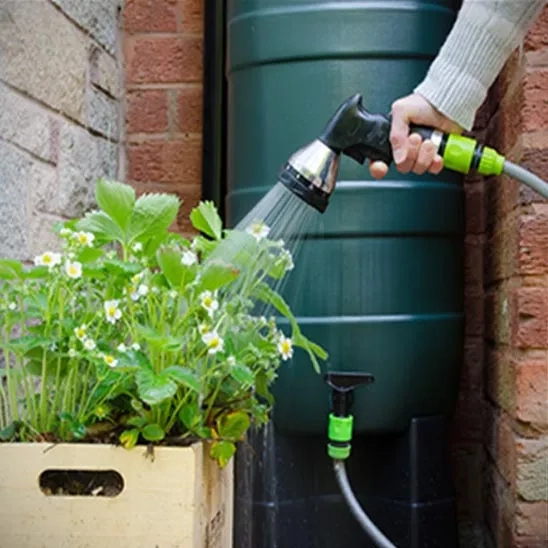
Fig. 2. Rainwater is a chemical-free alternative for watering your garden plants.
Rain barrels are one of the most effective tools to capture and store the rain water for various purposes. It is important to select the rain barrels based on the amount of rainfall in your region. Rain barrels come with various capacities from 30 gallons (0.11 m³) to over 100 gallons (0.38 m³), which are suitable for regions with heavy rainfall. The capacity is directly linked to the performance of the rain barrels. For example, a 1000 square feet roof can fill up a 50-gallon rain barrel with just 1 inch of rainfall. Therefore, users with high amounts of rainfall must use rain barrels with larger capacity, ensuring optimum performance. These effective products can contribute to better water resources management through conserving water, especially in areas prone to droughts or water restrictions. Some advanced models offer features to expand the rain barrels' capacity by connecting them together. In conclusion, it could be said that the capacity of the rain barrels is the most critical feature of them
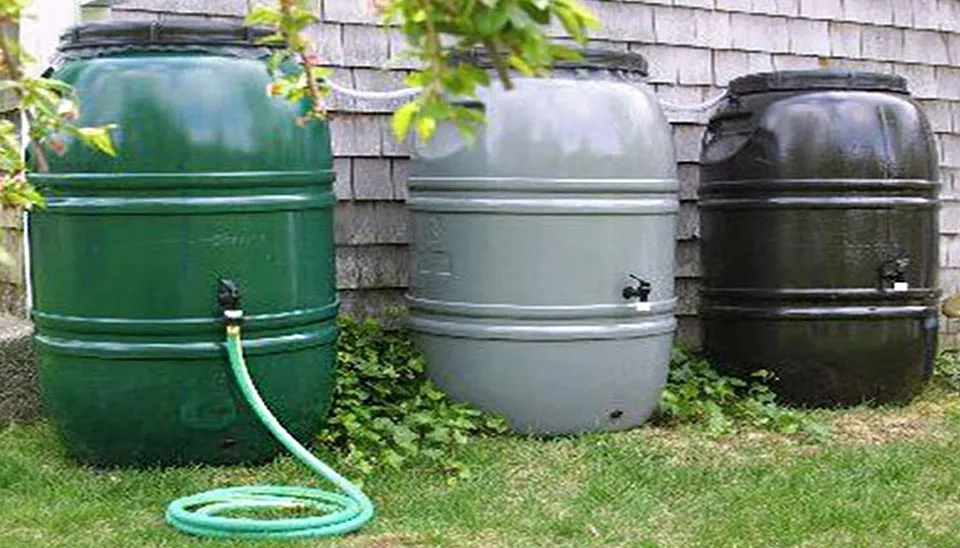
Fig. 3. High capacity rain barrels offer versatile water storage for various home needs.
Rain barrels come with a variety of materials; each one has a unique benefit and drawback. The most common material used in these products is plastic, which is lightweight, corrosion-resistant and can tolerate direct sunlight. High-density polyethylene (HDPE) is the plastic type that is being used in rain barrels, due to their ability to withstand outdoor conditions. Furthermore, they have various shapes and colors that consumers can select based on their available space and taste. Another material that rain barrels come with is metal, which has high resistance and a longer life span. Galvanized steel or aluminum is used in rain barrels. Although they can withstand under any circumstances, they are prone to rust. Therefore, it is important to have proper coating. Stainless steel rain barrels are rust resistant, but they are expensive and also difficult to move.
Collapsible rain barrels provide a space-saving option for rainwater harvesting. Made from durable yet elastic materials like PVC or polyester fabric, the barrels inflate when filled with water and then fold up to store in a compact manner when not needed. This feature makes them ideal for residents who lack ample outdoor space or who desire a seasonal storage for water. Even though their collapsible nature provides them with a lighter weight, collapsible barrels are sometimes reinforced with heavy-duty frames to maximize stability and prevent leaks. They are easy to transport, set up, and remove, and therefore an effective choice for gardeners, campers, or anyone who desires a hassle-free rainwater harvesting system. However, while they may be convenient, they may require special care to prevent puncture or degradation over time.Regular rain barrels offer a sturdy and reliable solution for rainwater harvesting, typically made from durable plastic or metal to ensure long-term use and minimal maintenance.
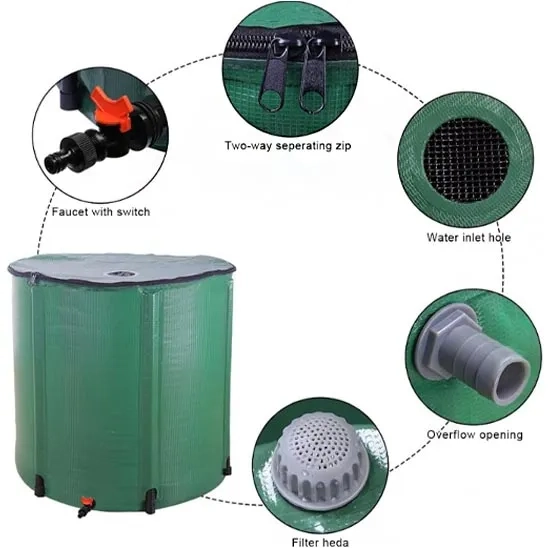
Fig. 4. A collapsible model featured in our rain barrel buying guideline for small spaces.
Rain barrels can be equipped with additional features to boost their functionality and efficiency. One important feature is an overflow mechanism, such as an overflow spout or diverter. These can move the water away from the rain barrels and foundation when the rain barrels become full due to the heavy rainfall. Diverts can automatically reroute water back to the downspout once the barrel is full. Another important feature is a debris filter or mesh screen which can be used on the top of the rain barrels to prevent coarse contamination such as leaves entering the water. Also, they can prevent mosquitoes from the stored water and prevent any pollution. Furthermore, faucets and spigots are another feature that can facilitate the filling or evacuation of water by attaching hoses. Some premium spigots are made of stainless steel, which are more durable and less prone to leaks compared to plastic ones. Also, barrels can have expandable systems to connect to each other in case of heavy rainfall events and store the maximum available water.
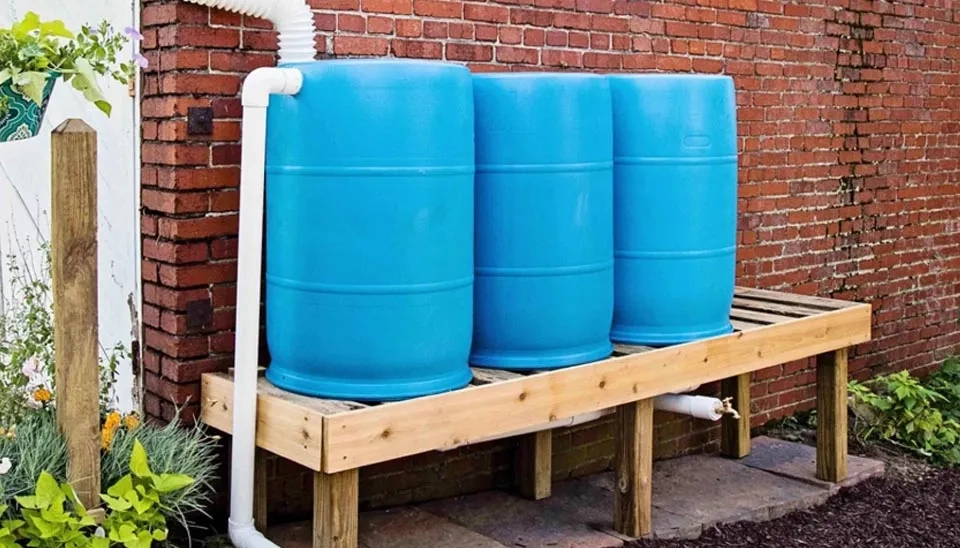
Fig. 5. Linking multiple rain barrels increases your total water storage capacity.
Rain barrels should be placed in a suitable location to maximize functionality. Rain barrels should be on a flat, stable surface close to a downspout to collect the rainwater effectively. It is advisable to use items such as concrete pavers and a wooden platform as a level base, ensuring that the barrel maintains its balance when it is full. Furthermore, downspouts must be properly connected in the initial installation. Downspout helps move the water from the gutter to the rain barrel. The rain barrel must be positioned in a light direction, facilitating accessibility to the spigot or faucet. Also, users must frequently check the filters and mesh at the top of the barrel and empty them of debris.
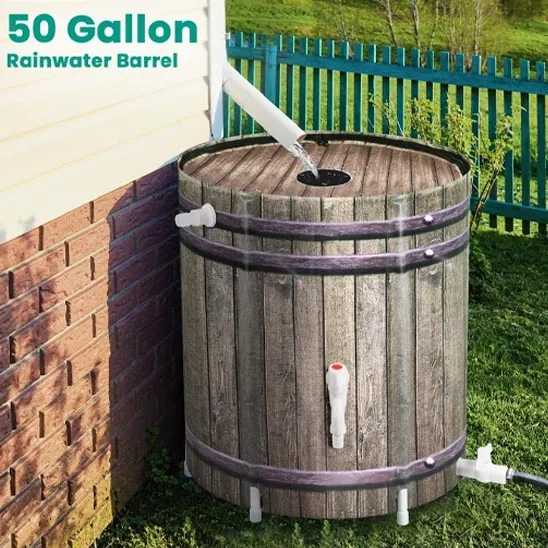
Fig. 6. A level base and accessible faucet are key for efficient rainwater harvesting.
When choosing a rain barrel, the price of it is important, which can determine your preliminary choices. The price of the rain barrels is influenced by the type of material, capacity and additional features. Rain barrel’s price can be under $40 to higher than $100. Simple plastic rain barrels offer rudimentary features. For example, VEVOR Collapsible Rain Barrel holds up to 100 gallons of rainwater or daily use water, easily meeting your household or gardening needs. The water barrel features 7 support poles, each 0.07" thick, combined with a sturdy lotus base, ensuring its stability in any situation. Other price ranges are for rain barrels higher than $100. For example, Good Ideas Impressions Riverwalk Rain Barrel showcases a substantial rain barrel thoughtfully designed with an integrated planter top to collect rainwater for sustainable watering needs efficiently. The meticulously meshed screen ensures only pure rainwater enters , keeping away unwanted grains or fragments. Maintenance cost of the rain barrels are generally low; users can buy and replace such as downspout, mesh or pumps add $10 to $150 to the total cost
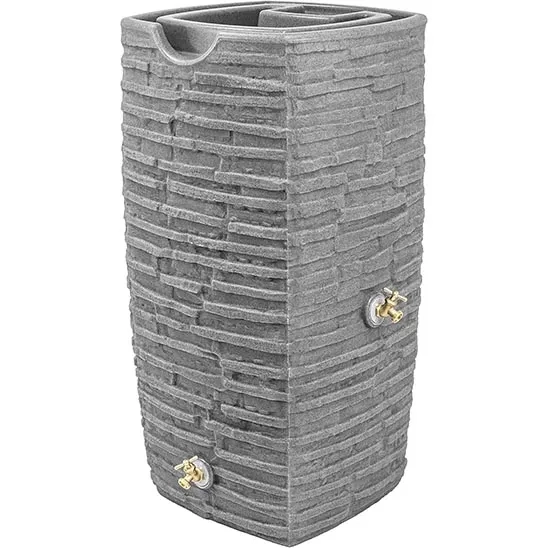
Fig. 7. The Riverwalk Rain Barrel is a high-quality option priced at $151.99.
Customer service is vital as they can increase the users' experience from the rain barrels. They can offer guidance to the capacity, size and material of the rain barrels and help them to make an informed decision based on the product that suits best based on their condition. Furthermore, technical support is important because some users may face difficulties setting up the rain barrel. Companies with excellent customer service provide instructions, online tutorials, or live support for the customers to help them in each step of using rain barrels to enhance their experience. Some companies offer online forums or social media groups for customers to share experiences. Such communication is extremely useful because customers share practical issues that devices might have.
Product ranking in Product listing is a feature that determines the best product matches in each product listing based on various conditions. This feature includes the entered search query, as well as ranking by novelty, profit margins, and product boosting. One of the online platforms that can help you in the process of selecting is Amazon, where you can compare different products and read comments and reviews. In addition to this, read our article, ‘Saving Water With Top 10 Rain Barrels on the Market. In this article, ranking the rain barrels was based on Bayesian rankings rather than traditional methods. In the article mentioned above, the FCMP Outdoor 50-Gallon Water Collection Barrel ranked first. The FCMP Outdoor RC4000 rain barrel is designed well, and it can support up to 50 gallons of rainwater. Place this water barrel around your home to catch the chlorine-free and fresh water as it pours from the downspouts. This product is made of UV-inhibited polyethylene material, so it is durable and long-lasting. The product comes with spigots on the side of the barrel for connecting multiple barrels together to expand the rainwater storage capacity. The aluminum mesh keeps out debris to keep the water clear. The package includes a durable debris screen, a garden hose, a shut-off thumb valve, a hanging hose clip, a hose for preventing water overflow, and a linking kit. The product is proudly made in Canada, and it is 21 pounds (ca. 10 kg).
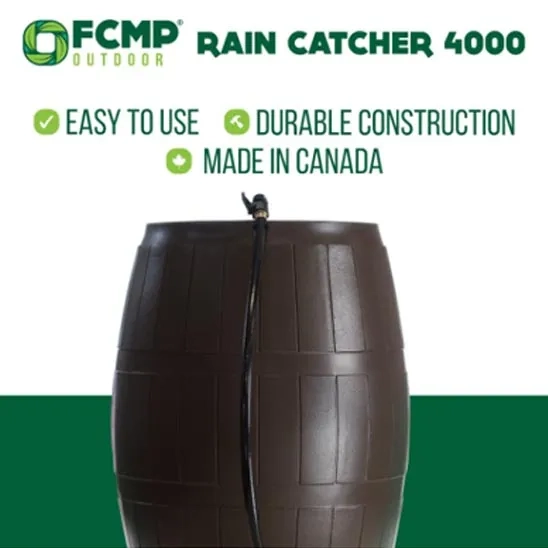
Fig. 8. A top ranked comprehensive buying guide to rain barrel models like FCMP.
It is essential to compare different rain barrels based on their features to make an informed decision.
When choosing a rain barrel, capacity is also an important criterion that has direct implications on effectiveness. Rain barrels come in several sizes, most commonly between 40 (Rain Wizard 40) and well over 200 gallons (0.76 m³) (Outvita 200 Gallon Collapsible Rain Barrel). A larger barrel works best for areas with heavy or frequent rainfall so that homeowners can harvest and accumulate more water and be less reliant on municipal supply. Smaller barrels, nonetheless, can already be adequate for extremely dry regions with low rainfall or for residences where there are zero water demands. In addition, breaking down the roof space you possess as well as the amount of runoff that can be generated should help determine the most appropriate capacity. Having the ability to choose the ideal size makes the most out of the available water without risking repeated overflow or insufficient storage.
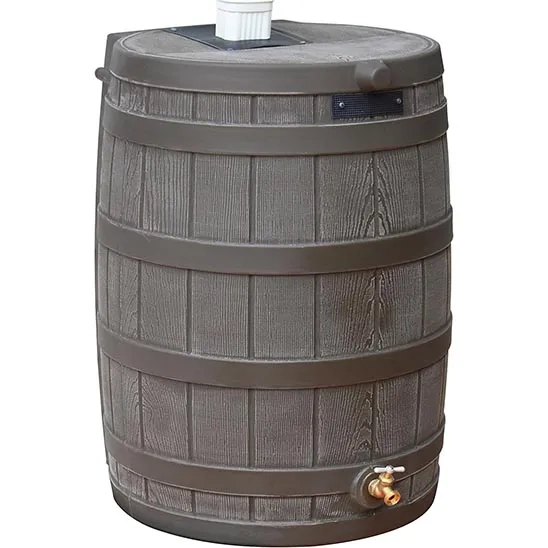
Fig. 9. A rain barrel buying guideline helps you select sizes up to 200+ gallons.
The nature of the material employed in making the rain barrel goes a long way in enhancing its performance, durability, and maintenance. Plastic barrels are very light in weight and hence effortless to mount and move about. Plastic barrels (RTS 50-Gallon ECO) are also immune to corrosion, though with the passage of time when exposed under UV, they can crack or dehydrate if not especially UV-treated. Metal barrels, on the other hand, are highly robust and tolerant of harsh weather conditions. However, they are heavier and will rust unless coated or well maintained. Wooden barrels (FCMP rain barrel)provide a rustic appearance and are typically favored for decorative purposes, but they require additional maintenance to prevent rotting or warping. Being aware of these material differences will help you choose a rain barrel that will be best suited to your needs based on your climate, storage space, and level of maintenance you are willing to do.
Fig. 10. Oak and cedar wooden barrels provide a rustic look for water harvesting.
It is advisable to evaluate your particular needs to select a device that adequately fulfills your requirements, before purchasing an appropriate rain barrel. This includes assessing your requirements, and setting a reasonable budget. By following these steps, knowledgeable purchases that match your usage objective can be guaranteed.
Evaluating your water collection requirements is crucial to ensure efficient and sufficient storage. Start by estimating the total amount of rainfall your roof can collect by calculating the roof area and multiplying it by the average rainfall in your region. This step helps determine the appropriate size of the rain barrel or storage system you need. If you intend to use the collected water for agriculture, cleaning, or other household purposes, assess the expected water demand to match your storage capacity accordingly. Also, if you have small place, it is advisble to buy collapsible rain barrels. Additionally, regions with frequent rainfall may require a system that allows for effective drainage or controlled water evacuation to prevent overflow. Features like a spigot located near the barrel's bottom, overflow outlets, or drainage holes can effectively manage excess water. For added convenience and improved water accessibility, consider investing in accessories like drum pumps, which make it easier to transfer water to desired locations or connect hoses for irrigation. Taking these factors into account will help you design a system that meets your water collection and usage needs effectively. You can find the top 7 drum pumps in the market in this article 'Top 7 Drum Pumps in The Word'.
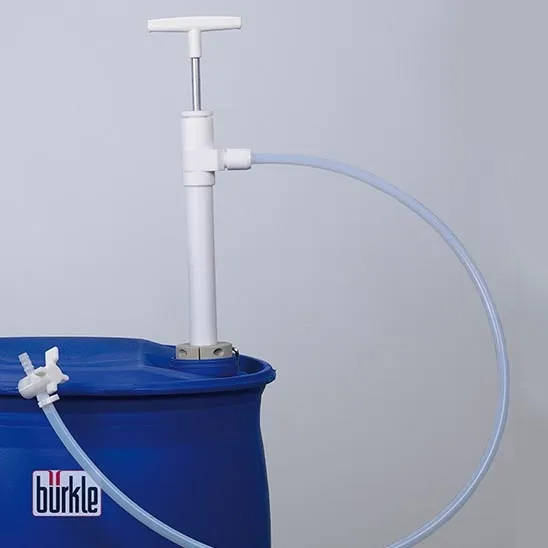
Fig. 11. High-efficiency drum pumps featured in our rain barrel buying guideline.
Rain barrels are available in different price ranges, mainly determined by their size and the materials from which they are made. The least expensive models, usually costing less than $100, provide essential features appropriate for individuals seeking a straightforward, practical option for gathering rainwater. For instance, a 100-gallon rain barrel might be priced at about $49.99 and typically includes important elements such as an outlet valve, faucet, and an overflow mechanism to handle surplus water. These models feature rubber rings surrounding the valve and faucet to avoid leaks, guaranteeing a tight connection. When the barrel reaches capacity, the overflow tube facilitates the safe drainage of excess rainwater, safeguarding the area from potential overflow damage. At a marginally elevated price, options such as the 50-gallon RTS Home Accents ECO Rain Barrel, listed at $107.91, provide extra environmentally friendly attributes. This barrel is crafted from entirely recycled plastic, aiding sustainability initiatives. It features a robust plastic spigot for convenient hose attachment and a plastic screen that aids in filtering debris and preventing insects from accessing the collected water. This model offers improved material quality and design, making it an excellent choice for individuals looking for a durable, eco-friendly product with enhanced convenience.
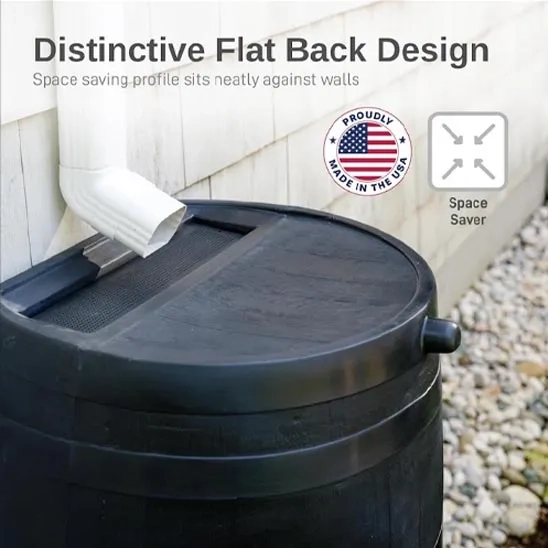
Fig. 12. The 50-gallon RTS Home Accents ECO Rain Barrel is priced under $110.
When choosing a rain barrel, there are certain key factors that need to be known to avoid any mistakes, which will be discussed in this part of the buying guide. One of the most common mistakes is selecting the wrong size and capacity. It is essential to calculate the amount of water that your roof can collect during a storm event. A barrel with limited capacity and lack of overflow mechanism can not collect the whole amount of available water and spill over and potentially damage your property. Another important factor is the barrel's material because low quality material can not tolerate the direct sun, resulting in deterioration or cracks in cold weather. Also, if you have limited space, purchasing a regular drump pump would be a mistake. Insread you can use colapsible rain bareels. Additionally, materials prone to rusting, such as certain metals, are not suitable for rain barrels. It is crucial to ensure the barrel is made of high-quality, durable, and weather-resistant materials to avoid long-term issues
Have you calculated the amount of water that needs to be stored?
Have you identified the available space for the rain barrel?
Have you identified the best material that suits you (e.g. plastic, stainless steel, etc.)?
Have you identified the additional features that you might need? (e.g. overflow mechanism, mesh etc.)
Have you identified the number of rain barrels that you might need?
Is the product easy to use and simple to set up?
Does the cost correlate with your budget while maintaining the overall requirements and keeping the right balance between expense, features, and durability over time?
Have you looked into the customer service and availability options? (e.g., warranty, professional assistance , return policy, rapid delivery, packaging, free monitoring service and responsiveness)
Have you considered the maintenance expenses?
Have you searched product rankings and reviews to ensure reliability? (e.g.,
Bayesian Rank, buying guides, reviews, comments, etc.)
Presently, various companies offer rain barrels. To boost your experience, try to select a popular company in this area. Companies like BayTec, RTS, Rehogar and FCM are popular for the rain barrel manufacturing with providing extended warranties. Online websites are the best places to purchase rain barrels. They are very helpful since by using those sites, users can compare various products and go through the comments of previous owners. In this case, if any flaws occur upon using the product, they can be known beforehand. Amazon is a very reliable source, and everything from cheap models to huge industrial units is available on it. Amazon— With secure purchasing, rapid shipping, and reliable customer service, Amazon has a global reach, though it primarily ships from the USA. Walmart also carries under rain barrels and similar features but has a smaller selection and physical stores in the USA and Canada.
This buying guideline offers an extensive guide for purchasing rain barrels, encompassing key features like capacity, material , additional features , installation requirements and other key factors that need to be considered before purchasing a rain barrel. This buying guideline is suitable for homeowners that want to select the best rain barrel for their needs. This buying guide supports different types of rain barrels, from affordable ones with prices under $50 that offer limited features to advanced ones with prices higher than $100. This article also addresses common mistakes made when purchasing a rain barrel. At the end this buying guide provided a checklist that individuals can use before buying a rain barrel to make sure to consider every single detail, optimizing their selection. With this extensive buying guide of rain barrels, users can select a device that meets their needs and adapts to future requirements, ensuring efficient water quality and potentially saving on maintenance and costs.
Keep reading








Comments
No comments yet
Be the first to comment
Share your thoughts and start the conversation.