Everything About Sprinkler Irrigation System in Agriculture
Smart Water, Better Yields: The Ultimate Guide to Sprinkler Irrigation Systems.
HHossein Jalalian
· 25 min read· 102 views
Smart Water, Better Yields: The Ultimate Guide to Sprinkler Irrigation Systems.
Quick answers to common questions.
As the global population moves toward nearly 10 billion people by 2050, agriculture is under increasing pressure to produce more food while using less water. Freshwater resources are becoming increasingly strained, and traditional irrigation methods like surface flooding often lose more than half of the water through evaporation and runoff—an approach that is no longer sustainable for modern farming.
This is where sprinkler irrigation offers a smarter alternative. Designed to mimic natural rainfall, these systems distribute water evenly and efficiently across different types of terrain. A properly planned sprinkler system can reduce agricultural water use by 30% to 50% while also improving crop productivity.
With changing weather patterns and growing concerns about water scarcity, farmers are turning to more efficient irrigation methods to protect yields and conserve resources. Understanding how overhead irrigation works, the different systems available, and how to manage them effectively has become an essential part of sustainable farming today.
An irrigation system that can efficiently manage and cope with changes in environmental conditions and water shortages is necessary. Sprinkler irrigation has very high irrigation efficiency and can save water from 30 to 60% (Shankar et al., 2018). Sprinkler irrigation technology is one of the most common and high-efficiency water-saving irrigation techniques that has been promoted and applied for agricultural applications. With the use of a sprinkler irrigation system, the amount of water waste will be reduced since it conveys the water through pipes. In addition, an irrigation engineer will be able to control the amount of water applied as well as its timing more easily, which ultimately results in more productivity per unit of water consumed. This technology has great potential to enhance the water use efficiency of crops (Kahlown et al., 2007). Therefore, efficient sprinkler irrigation technology is being evaluated widely based on its ability to establish uniformity in water application and identify run times.
The demand for water has increased substantially, which is the main concern in irrigating agricultural lands. In agriculture, 70% of freshwater is used every year (about 1500 billion m3 out of 2500 billion m3) (Giagnocavo et al., 2017; Wolfert et al., 2017; Shah, 2011), and in some areas, the amount of rainfall can not meet the moisture requirements of crops. Therefore, adequate water provision is necessary for successful crop production. A wide range of disciplines, including agronomy, plant physiology, and engineering, are involved in the efficient use of water for agriculture (Hsiao et al., 2007).
There are various irrigation technologies that can supply water for plants and agricultural activities, and each method has its own advantages and disadvantages. By selecting an appropriate irrigation method, it is possible to significantly enhance crop water productivity while reducing water use. Some of the irrigation technologies are drip irrigation, Sprinkler irrigation, surface irrigation, etc. Depending on the soil type, climatic conditions, crop grown, source of water, crop characteristics, and terrain features of the land, a proper irrigation method can be selected for a particular area. The main purpose of choosing an irrigation system is to minimize water use and maximize crop productivity (Zhu et al., 2016; Peters and Evett, 2007; Rawat and Tripathi, 2019).
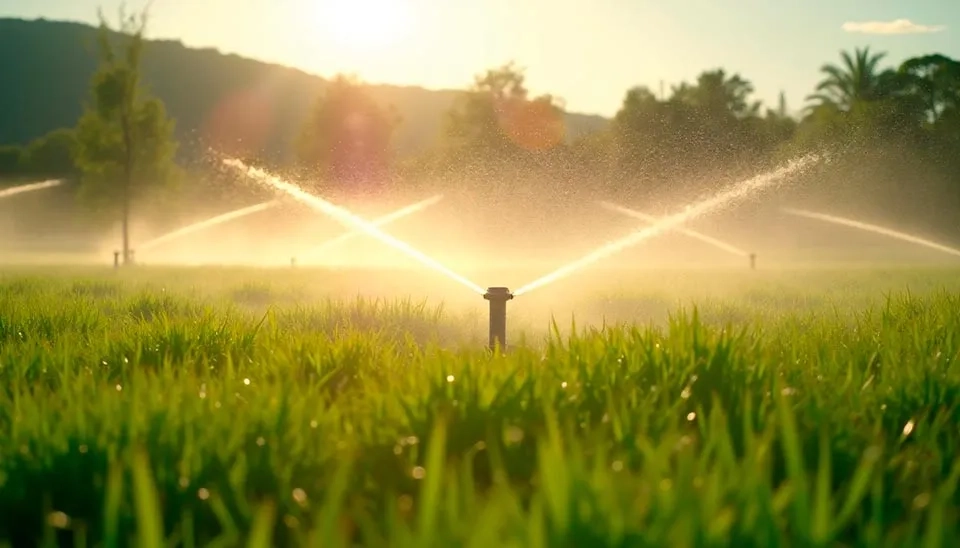
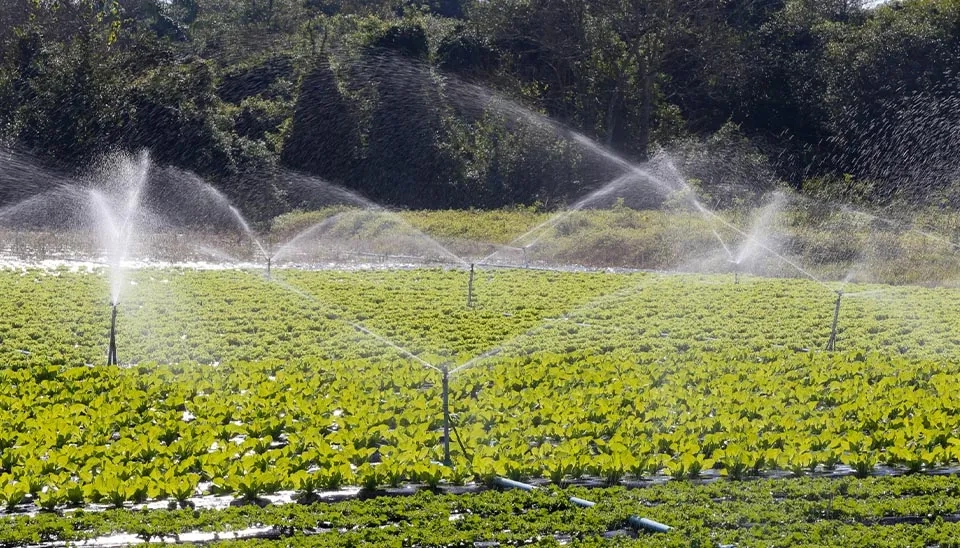
An efficient sprinkler irrigation technology is a comprehensive irrigation method in which water is applied just like natural rain. A system of pipes, usually pumping, is used for the distribution of water. So water is carried and sprayed into the air above the crops through nozzle lines or overhead-perforated pipes. Both the crop and the soil will be wet from the sprayed water. The application rate of water is less than the intake rate of the soil in the sprinkler irrigation technology, which results in no runoff. This system provides several advantages, and it can operate with less manpower (Rawat and Tripathi, 2019).
This article highlights the sprinkler irrigation design, its components, challenges and factors affecting this system, advantages, and future developments.
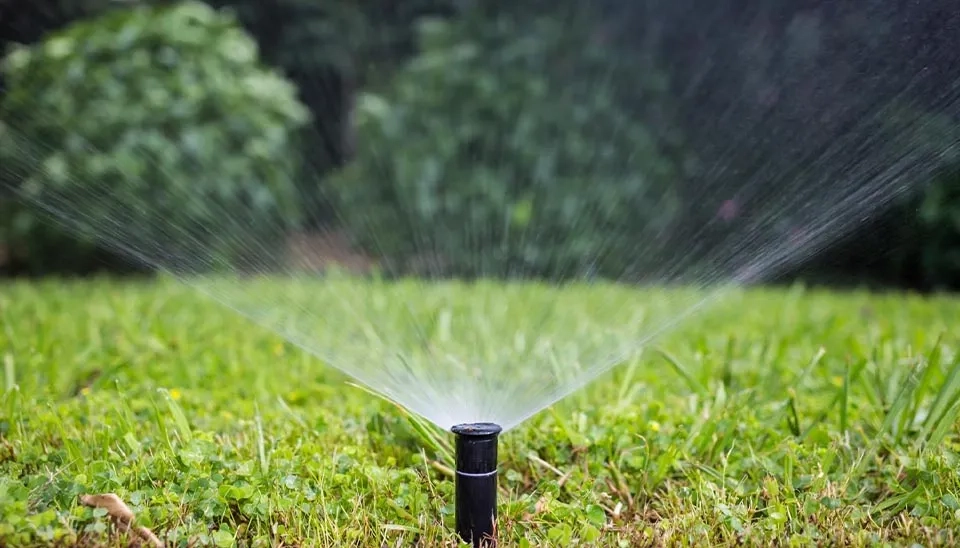
Sprinkler irrigation systems are known as one of the most popular methods for irrigating land. By using different sprinklers, water will be sprayed on the soil and plants. Sprinkler irrigation systems can be classified into five main groups due to the method of water application, portability, precipitation rates, principle of operation, and movement.
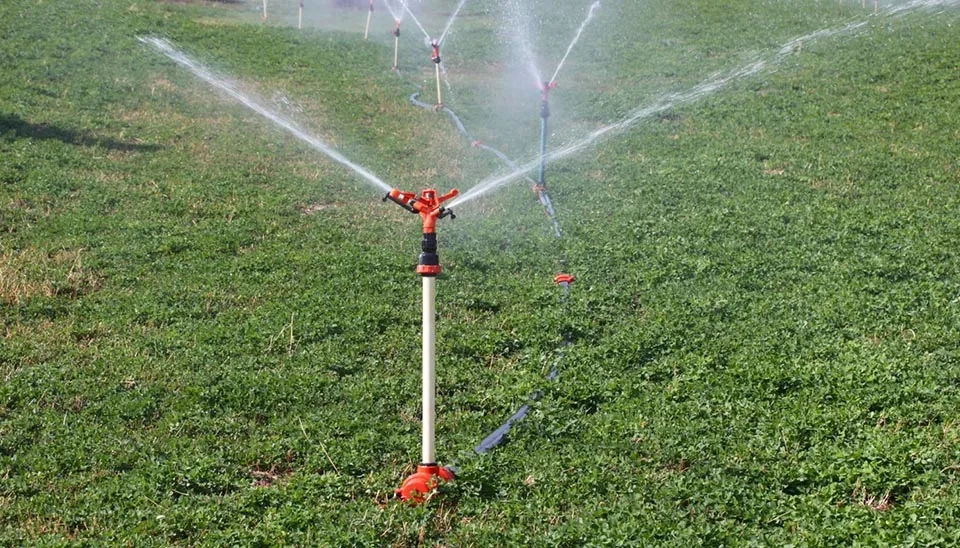
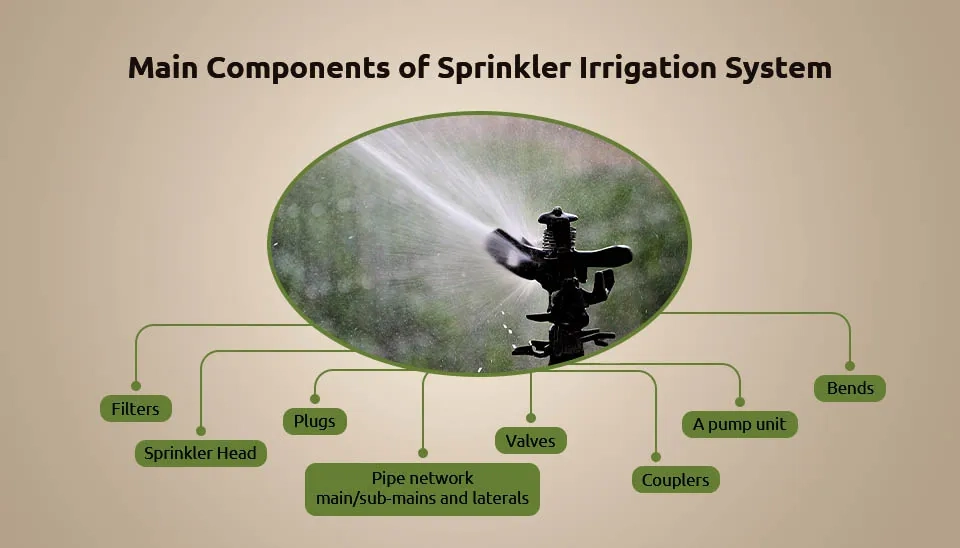
A sprinkler irrigation system commonly consists of the following components (Sarkar, 2018):
A pump unit
Pipe network, main/sub-mains and laterals
Couplers
Sprinkler head
Other accessories such as valves, bends, plugs, filters, etc
A key approach to improving crop yield in sprinkler irrigation fields as well as saving water is believed to be the establishment of uniformity in sprinkler irrigation (Dukes et al. 2006). Irrigation uniformity is an important performance characteristic and the main purpose of the sprinkler irrigation design (Dwomoh et al., 2014; Zhu et al., 2012). Depending on the view of an engineer or agronomist, the irrigation uniformity can have different perspectives.
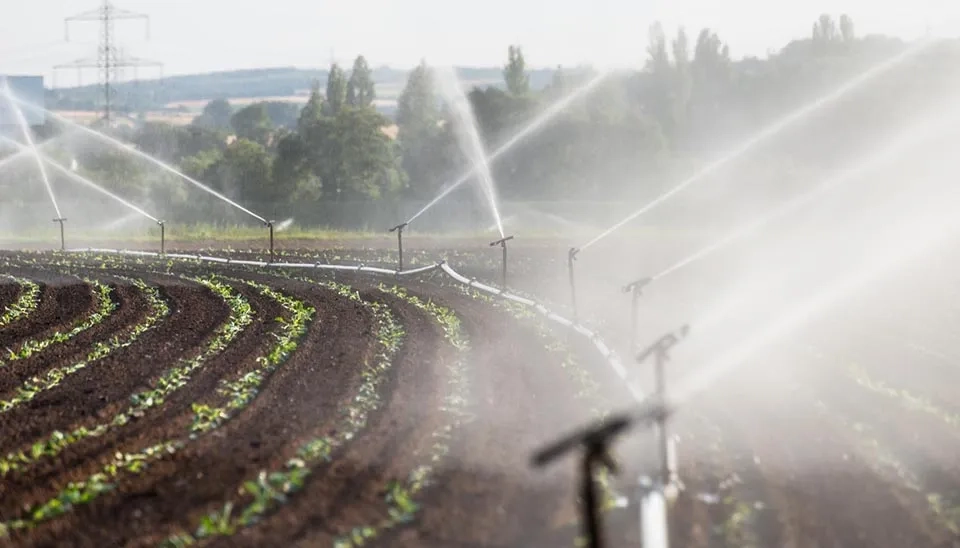
Several factors affect the uniformity of sprinkler irrigation, such as (1) distribution system hydraulics, (2) climatic conditions, (3) sprinkler head and nozzle, and (4) field management practices. The factors affecting the distribution system include sprinkler spacing along the laterals, separation between laterals, field topography, sprinkler height, and hydraulic losses in pipes. Climatic factors include water droplet evaporation, which depends on wind speed, temperature, vapour pressure deficit, and wind speed (magnitude and direction). Sprinkler head factors include nozzle properties like size, type, angle, and pressure, which determine the distribution patterns. Management factors include the operating time of each lateral, their setting, and the inclination angle of the riser (Mateos 1998). The wind, damaged sprinklers, application rate, and surface runoff can all have a significant impact on uniformity (Zhang et al., 2013).
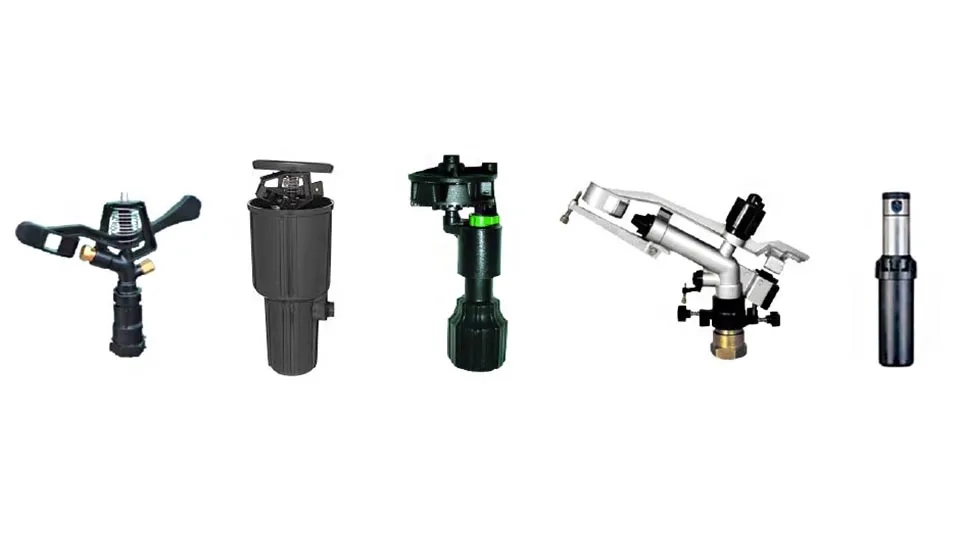
It can be complex and difficult to design an appropriate site-specific irrigation system since it should address most of the causes of variations currently occurring in each field, including the general management philosophy of the operator (decision support), the system capabilities that are needed to obtain the desired management level, and constraints inherent in current equipment (Zhu et al., 2018). In general, low efficiency in sprinkler irrigation technology is often due to a combination of the following factors:
(1) Losses due to deep percolation;
(2) Direct evaporation from soil surfaces;
(3) Evaporation losses by sprinkler nozzle spray;
(4) Runoff from the field (Darko et al., 2017).
The sprinkler pressures can vary significantly throughout a field due to pipe friction losses and elevation change (topography). Different sprinkler pressures will lead to a variety of water distribution profiles and different overlap patterns (Zhang et al., 2013). In addition, poor uniformity in a sprinkler irrigation system leads to reduced yields due to water logging and water stress, which results in an increase in irrigation costs (Darko et al., 2016).
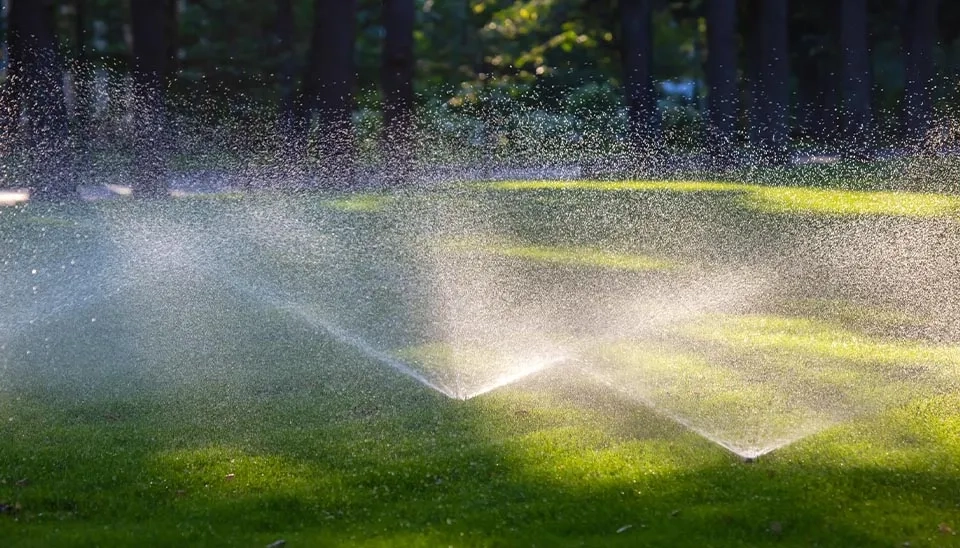
The application efficiency can reach 50 to 95% if the sprinkler irrigation technology is properly designed and operated. The type of system, management strategies, and cultural norms can all affect how effective the sprinkler system is. Improper management when using sprinklers, such as applying too much water or irrigating too soon, will lead to a considerable reduction in water application efficiency (Rawat and Tripathi, 2019).
The following recommendations are made for efficient use of water in sprinkler irrigation:
Continuous monitoring of irrigation programmes based on the region's conditions
Implementation of precision irrigation technologies for specific needs through promotion of sprinkler irrigation design
The use of modern and advanced sprinkler irrigation Systems to reduce runoff losses
Understand the soil properties which affect water storage before designing an adequate irrigation system to ultimately optimise water use
Using a control system (like wind speed monitor) that detects wind to avoid irrigating when the wind is blowing
The establishment of a comprehensive water management plan for the farm that can identify sources of pollution and the water footprint of the crops to manage water use.
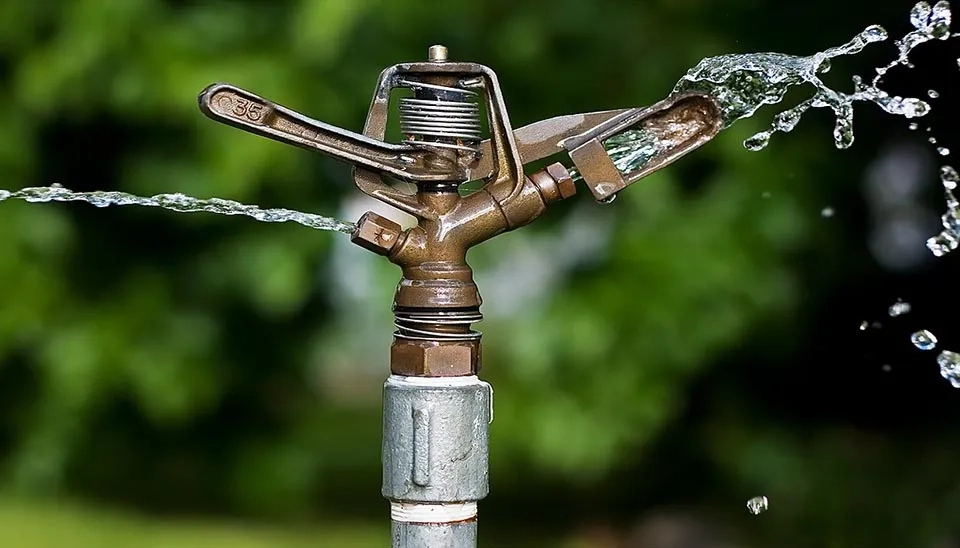
The application of an efficient sprinkler irrigation technology has several direct and indirect benefits (Patel and Prajapati, 2020; Shankar et al., 2018).
The direct advantages are:
Make an increase in crop production output by increasing the flow rate
Hydropower generation at dam site and canal falls
Cultivation of money crops
Water conservation and water saving
Soil conservation and effective use of land
The indirect advantages are:
The gross domestic product of the country will increase.
Slows down the livelihood migration to cities
Creation of more jobs and incomes
Development of agro-based industries
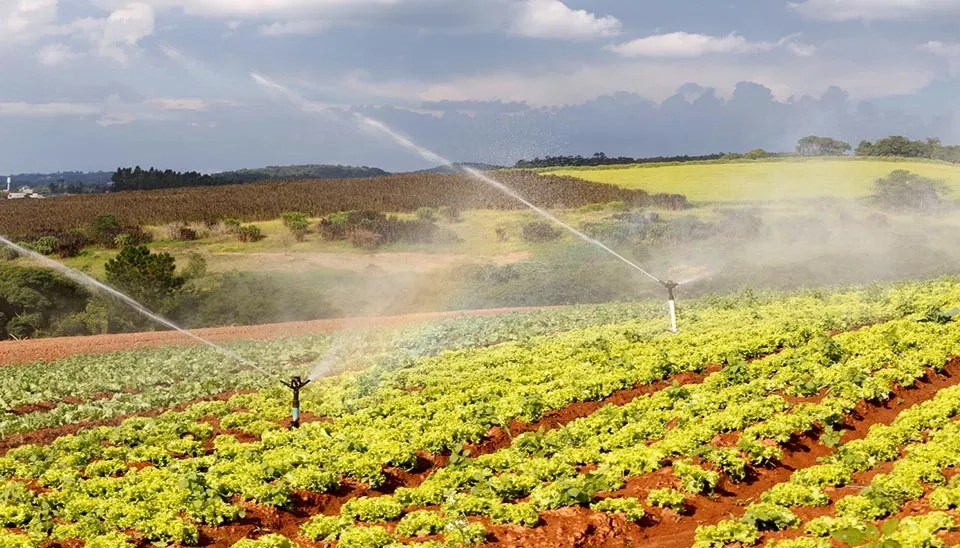
The development of intelligent irrigation systems that enable farmers and other end users to optimize their water use, for example, by watering only where and when it is needed, will be a promising and challenging research direction. This will provide site specific and time specific irrigation management to maximize overall irrigation efficiency and reduce water use (Zhu et al., 2018). Proper management and innovative design of integrated water delivery and irrigation systems in both agricultural and urban settings will result in major water-saving improvements in the future. Therefore, it will be necessary to change policies and develop infrastructure in a comprehensive regional and international framework to manage water security as well as satisfy the demands of users. The improvements should be systematic and concentrate on all components of the hydrologic system. Thus, urban and rural irrigators should focus on improving productivity per unit of water consumed, considering systematic, managerial, cultural, engineering, and institutional changes (Darko et al., 2017). The application and implementation of some modern and novel technologies like smart irrigation, remote sensing technologies (Zhu et al., 2018), water recycling and reuse approaches (Ungureanu et al., 2020), hybrid dynamical systems (Bertollo et al., 2022), etc. are promising solutions to improve and ensure the efficiency of the irrigation system, which should be considered in the future.

With the increase in population and food insecurity, the demand for additional irrigation facilities will go up rapidly. Sprinkler irrigation systems are known as one of the most popular methods for irrigating agricultural lands. Irrigation uniformity is an important factor that affects the quality of sprinkling irrigation. This technology consists of different components and has several advantages, like improving crop production, water conservation, etc. Low irrigation efficiency and high costs are some disadvantages of a sprinkler irrigation system if it is not well-managed. It is necessary to properly manage and design this technology to maximise productivity and avoid water scarcity in the future.
Keep reading






Comments
No comments yet
Be the first to comment
Share your thoughts and start the conversation.