How to Choose the Right Submersible Sump Water Pump: A Comprehensive Buying Guideline
You don’t know what to do with the excessive amount of water on your property?
EErfan Zarei
· 10 min read· 56 views
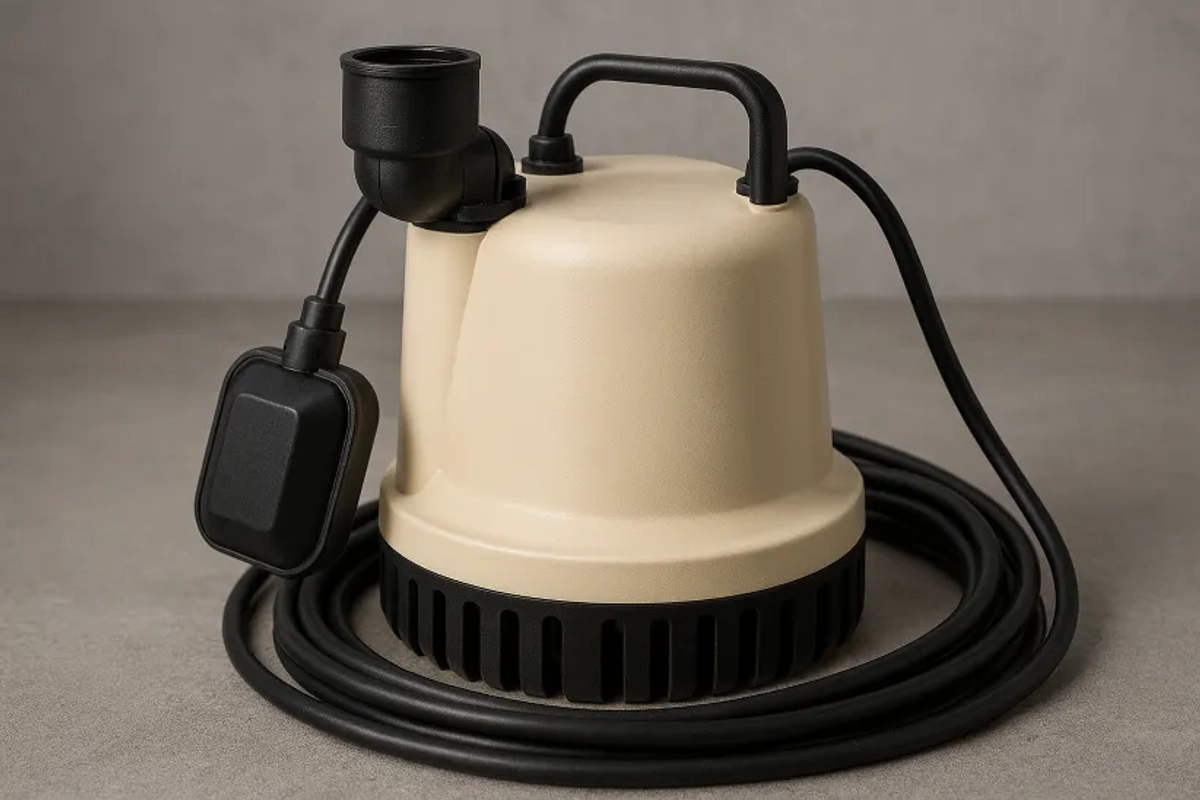
You don’t know what to do with the excessive amount of water on your property?
Quick answers to common questions.
You don’t know what to do with the excessive amount of water on your property? The solution lies in a submersible sump pump—an essential safeguard against flooding and water damage. This powerful device works by efficiently redirecting water from your basement to the exterior of your home, preventing moisture buildup that can lead to mold growth, foundation cracks, and structural issues. Installed in a specially designed pit, known as a basin, beneath the basement floor, the sump pump automatically activates when water levels rise, swiftly pumping excess water away. Found in both residential and commercial settings, sump pumps offer reliable protection against water accumulation, whether from heavy rainfall, rising groundwater, or seasonal melting. Even if your basement has never flooded, persistent moisture around the foundation can weaken the structure over time, making a sump pump a proactive investment. This comprehensive buying guide will navigate you through the world of submersible sump pumps, offering in-depth insights into their features, benefits, and key factors to consider before making a purchase. From motor power and pump capacity to material durability and energy efficiency, every detail plays a crucial role in ensuring optimal performance. Whether you need a pump for occasional water removal or heavy-duty flood prevention, understanding the different types and functionalities will help you make an informed decision.
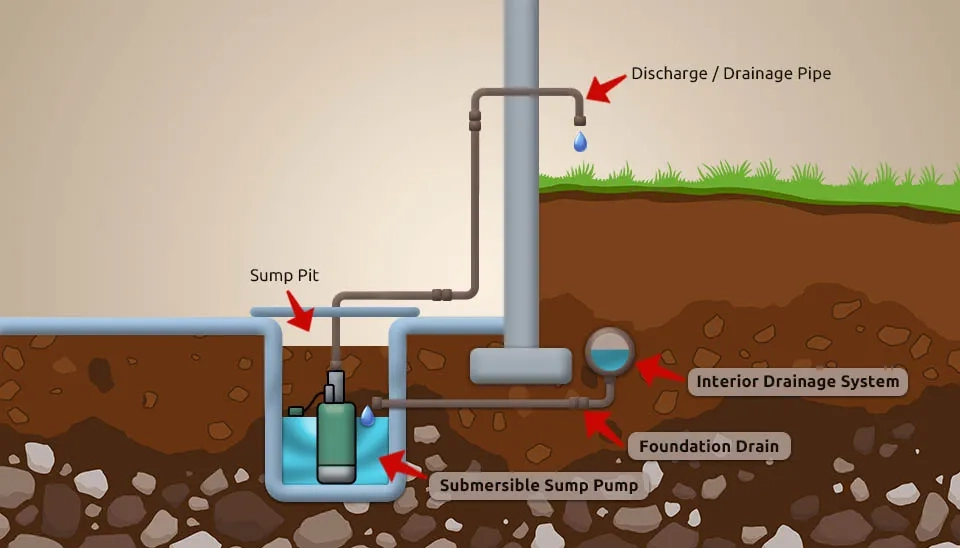
Several factors must be considered for selecting the finest submersible sump water pump. These are some crucial factors that shall guide you in choosing the correct model of submersible sump water pump:
Firstly, it is important to understand the application of submersible sump water pumps and your purpose for buying them. Submersible sump water pumps' primary purpose is to safeguard the basement area from potential flooding. If this happens, the sump pump activates its built-in motor to drain the water effectively and prevent damage to the property. A key feature of a typical sump pump is its floating component, designed to rise with the water. Sump water pumps have several advantages and applications:
The first and foremost benefit of using a sump pump is flood prevention. Installing a sump pump in your basement is the best way to prevent flooding in your home during periods of weather.
Sump pumps can also prevent harmful mold from building up in the basements. Mold needs damp conditions to thrive, so keeping your basement dry and moisture-free through a sump pump prevents mold from growing.
If your cellar floods, water can get into the electrical circuits and outlets, potentially starting an electrical fire that could cause more damage to your home. Installing a pumping station can reduce the chance of this happening.
Unlike a simple drainage system, a sump pump, especially a twin pump, can handle large volumes of water in a relatively short amount of time.
While external waterproofing can help protect your home, it can’t protect it to the same degree as a sump pump. Waterproofing materials can weaken over time, reducing their effectiveness and leaving your property vulnerable to water damage. Additionally, an active pump system is always superior to a passive system, such as waterproofing, when it comes to keeping your home dry.
If sump pumps are maintained properly, they are highly reliable systems to protect your basement or cellar. You can purchase a high water level alarm to notify you when your pump activates and a battery backup system to protect your home even during a power outage.
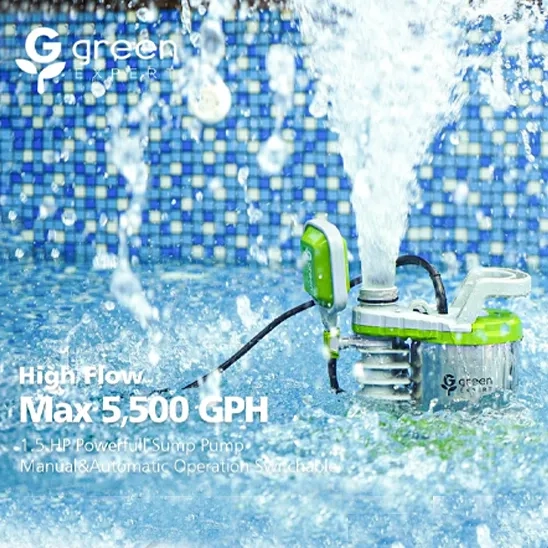
Flow RateWhen selecting a submersible sump water pump, it is important to make sure that its capacity and flow meet your application. Capacity refers to how much water the pump can move from the basement per specific time frame. It's typically measured in gallons per hour (GPH) or liters per hour (LPH). The higher the GPM, the more volume of water the pump can handle; hence, it is ideal for heavy-duty applications, especially in basins that are prone to flooding or areas with high rainfall. The flow rate is correlated with the capacity, and factors like the size of the pump, the motor’s power, and the diameter of the discharge pipe can influence it. A typical submersible sump pump used in residential settings will have flow rates starting from 1,500 GPM for the smallest pumps and over 3,000 GPH for heavy-duty versions used in commercial places. For example, Green Expert pump has 5500 GPH, while FOTING Submersible Water Pump has 1676 GPH. It is important that the flow rate of the pump matches the volume of water that needs to be transferred from the sump pit to keep the water level relevant and also avoid overflow.
Fig. 3. Submersible sump water flow rate in an important factor
For optimal performance, it is essential to install the submersible sump water pump properly. Its location must be under the water level and without any debris to prevent clogging the pump. The sump pit needs to be big enough to fit the pump, allowing enough room for water to gather without spilling over. Tolerating the weight of the pump and the pressure of the water is essential for the pit ; therefore , it should be made of durable material. The pit's bottom is the place for the pump, and users must ensure that the inlet is underwater to avoid the pump operating without water. Any kinks or blockages can result in water flow impeding; thus, the discharge pipe must connect to the drainage system properly. Submersible sump water pumps require reliable electrical connections. Different products have varying voltage and amperage requirements. As these pumps work with both electricity and water, which can be harmful, a ground fault circuit interrupter (GFCI) should be used to reduce the risk of electric shock. The waterproof wires are needed to prevent short circuits or corrosion. Ensure the pump's electrical components connect to a suitable circuit breaker for overload protection. If a float switch is present, position it in the sump pit to detect water levels and activate the pump automatically.
The motor and impeller in submersible sump water pumps should be checked for any signs of wear. Sump pit debris can accumulate and block the inlet of the pump, reducing efficiency and perhaps causing the pump to overheat or fail. To avoid this, the pit must be cleaned at least annually, and the intake of the pump checked for blockages. The float switch for turning the pump on and off when the water reaches a certain level should be checked periodically to make sure it is functioning properly. The discharge pipe also needs regular checking for obstruction and leakage that could interfere with the water flow. Moreover, cold water can damage the submersible sump water pump by freezing its item. Therefore, it is important to winterize the pump. To do this insulate your sump pump discharge pipe with pipe heaters or wraps. Consider burying the pipe below the frost line. Find a slope for the end of the pipe to allow water to drain completely. Use a sump pump heater designed to keep the water warm.
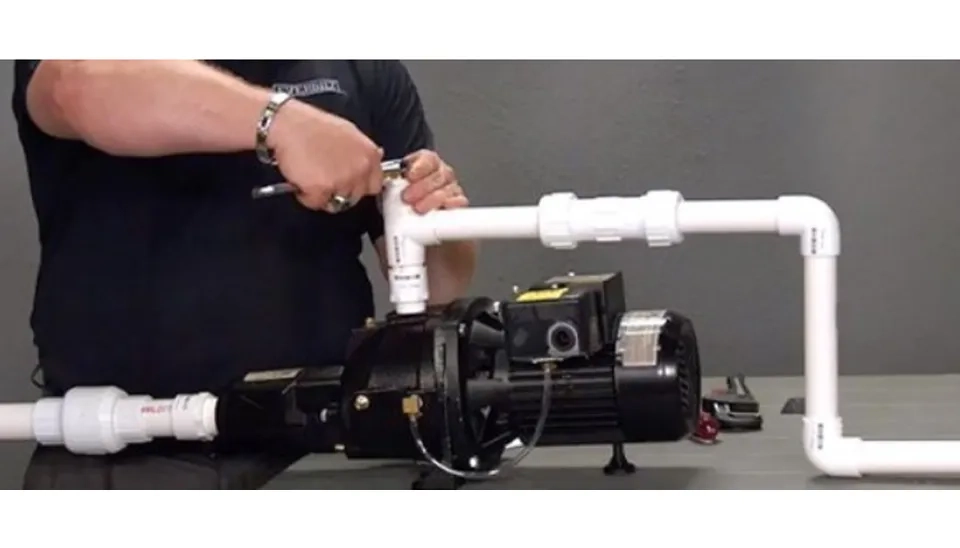
The right submersible sump water pump should combine various technologies to ensure user-friendliness and improved performance. Factors such as connectivity, alerts and safety features can elevate the submersible sump water pumps’ performance and bring better performance for the users.
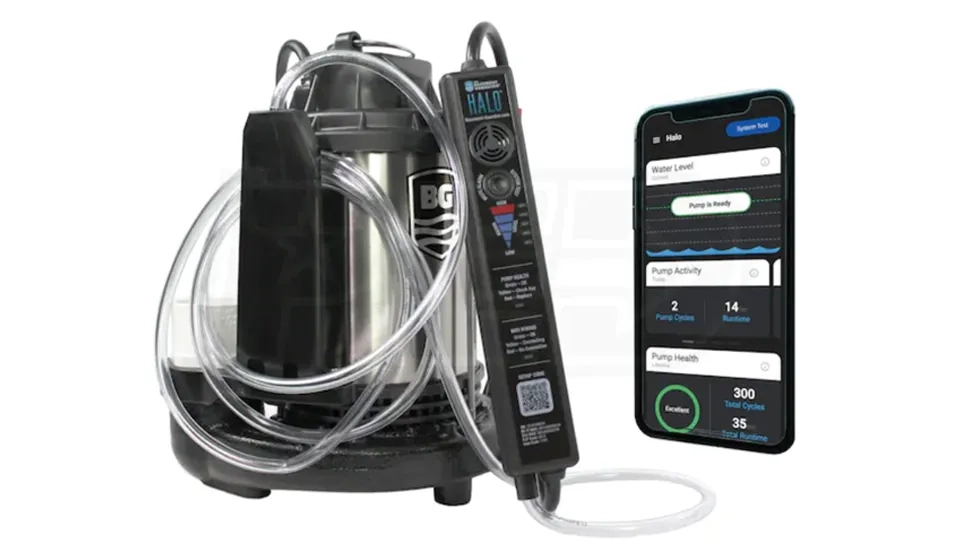
Nowadays everything is becoming smart and submersible sump water pumps are not an exception. Advanced submersible sump water pumps usually include all kinds of high-level connectivity features that allow for real-time monitoring and alerts, greatly increasing their efficiency with very minimal human intervention. Advanced pumps can be used Wi-Fi through your home's wireless router, which enables connecting to cloud-based platforms and mobile phone apps to send alerts and notifications about backup pumps, high water levels, AC power loss and blow fuse, DC pump issues, low temperature and critically low battery warnings. Also provides loss of WiFi notification just in case the connection is lost These notifications can be sent via text, email or push notification to different phones. Some submersible sump water pumps integrate with artificial intelligence to conduct self-tests and provide advanced real-time diagnostics. Therefore, users can monitor and track pump status, plumbing and sensor errors. For example, Liberty Pumps PC457-442-10A-EYE is a smart submersible sump water pump that works through your home's wireless router. It is a corrosion-resistant, thermoplastic construction with a deep-finned powder-coated aluminum motor.
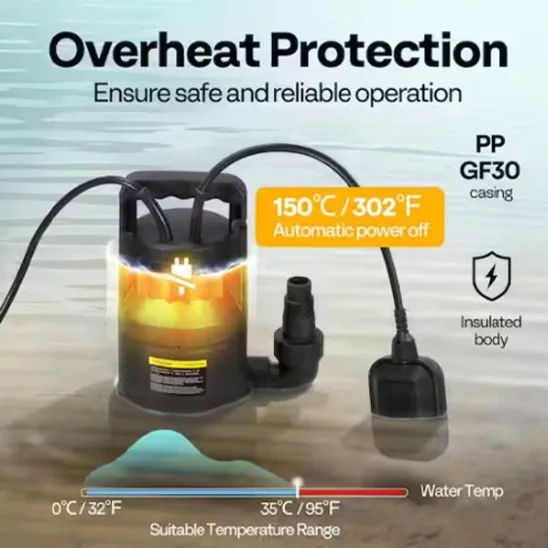
Submersible sump pumps are designed with advanced safety and efficiency features that ensure optimal performance and durability across various circumstances, especially those that are exposed to flood conditions or high-moisture levels. Overheat protection is a critical feature that avoids motor damage through the self-switching off of the pump when it gets too hot. This feature allows the pump to self-cool before resuming work, thereby extending its lifespan and preventing costly repairs or replacements. Automatic shut-off devices also enhance energy efficiency and safe operation by detecting low water levels and automatically turning off the pump. This prevents dry running, which can cause overheating, excessive wear, and potential damage to internal components. Anti-clogging and debris management capabilities, such as integrated filters, vortex impellers, and pump housings specifically designed to prevent blockage by dirt, sludge, and debris, also help to prevent clogging. Through prevention of blockage and uninterrupted water flow, these design aspects contribute to hassle-free operation and reduced maintenance. As a combination, these protective systems make submersible sump pumps very reliable to deal with water accumulation in basements, construction grounds, and manufacturing processes.
The material and durability of the submersible sump water pumps correlate directly with their performance and functionality. Stainless steel is one of the most popular materials for submersible pump construction. It is highly resistant to corrosion and is suitable for various water-related applications, including potable water supply, well pumps, and wastewater handling. Other materials that are generally used in these pumps are cast iron, bronze, or thermoplastic. For example, cast-iron pumps can be very durable and are able to support the most aggressive, heavy-duty demands. The thermoplastic pumps, however, are lightweight yet sturdy and suitable for applications in residential or light commercial capacities. Furthermore, water must be kept away from the motor and this can be done by good seals and waterproofing. This is vital because it helps in ensuring that even in submerged conditions the pump will still be able to work efficiently.
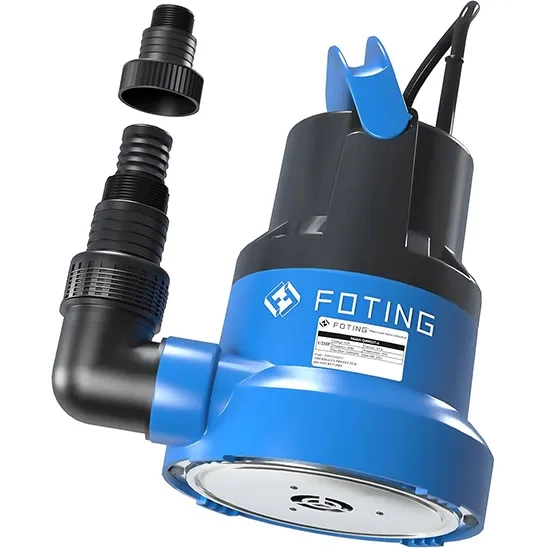
Since submersible sump water pumps are typically installed in residential basements or close to living spaces, the level of noise they produce plays a significant role in user comfort and overall satisfaction. A loud pump can cause disturbances, particularly in quiet environments, making noise reduction a key design consideration. To address this, many modern submersible pumps are equipped with advanced noise-reducing technologies, such as vibration-damping components, which minimize mechanical vibrations that contribute to noise. Additionally, some models feature sound-insulated motors, which are encased in specially designed housings that absorb and reduce operational sound. These enhancements not only contribute to a quieter living environment but also indicate a well-engineered pump with improved stability and efficiency. Furthermore, materials like rubber mounts and insulated casings help in suppressing sound transmission, ensuring that the pump operates discreetly even in continuously running conditions. With these innovations, submersible sump pumps maintain effective water removal while ensuring minimal disruption to households and nearby occupants.
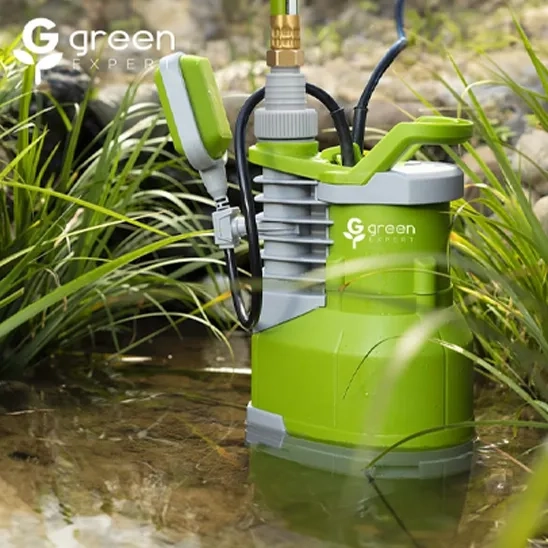
When choosing the best submersible sump water pump, power and motor specifications are important. The power of the pump is usually determined by horsepower, ranging from 1 HP to 1.5 HP. More horsepower indicates that the pump can move the water for a longer distance. On the other side, selecting a pump with much more horsepower than you need could lead to energy waste, so matching the pump's power to the specific needs of your sump pit is critical. Another motor specification is voltage rating, ranging from 120V to 230V. Pumps with higher voltage are better for works and large-scale applications. Moreover, motor protection is another factor to consider that can boost the reliability of the model. Some models offer thermal overload protection that can switch off the motor when it overheats. This is ideal when the motor is working for an extended time. Moreover, all the motor parts must be sealed to prevent water from getting in and damaging the motor. This is important, especially when the motor might be submerged in the water for a long time, which can promise durability and sustainable performance over time. Lastly, motor efficiency is important to deliver the performance while consuming less energy, which can make the difference where the pump must run for extended times, especially with heavy rainfall or in a highly flood-prone area.
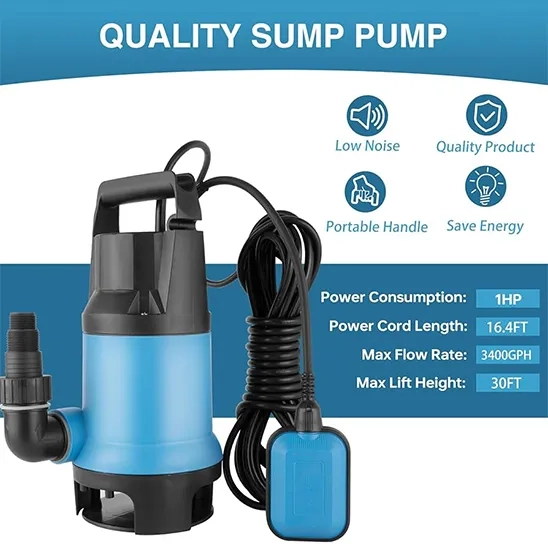
Switch types play a crucial role in submersible sump water pumps by switching the product on or off based on the water level. There are a range of switch types, including mechanical float switches, vertical float switches, and electronic float switches. A mechanical switch is the most common type that uses a buoyant float that, by raising the water level, turns on the switch. The threshold can be predefined to be used in different areas. However, due to its mechanical nature, debris and sediments can affect its performance. The vertical float switches have closer monitoring of the pump operation. In the vertical float switches, a suspended float on a rod or shaft acts to move up and down with rising and falling levels of water. Electronic float switches are used in more advanced models, which use sensors to detect the water level. They can offer higher precision and additional features, like threshold setting. However, they tend to be more expensive to me, making them ideal for heavy-duty and large-scale applications.
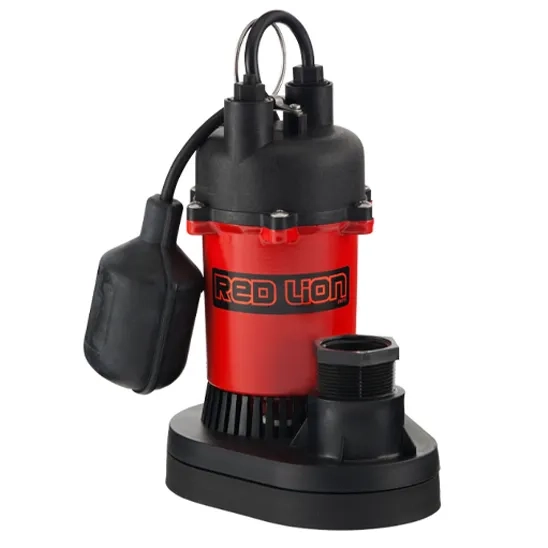
When choosing a submersible sump, the price is important, which is assessed in this part of the buying guide. The price of the submersible sump water pumps is influenced by the capacity and flow rate, technological integration, and additional features. The entry level, which encompasses the most affordable models, have a price between $50 and $300. These models generally offer simple features without any smart features. For example, Green Expert 1.5HP Submersible Sump Pump is in this range with a price of $100. While more powerful submersible sump water pumps can range from $500 to over $2,000. For instance, Liberty Pumps PC457-442-10A-EYE - 1/2 Primary (457) has a price around $1500. If your home occasionally has flood issues, the affordable models can handle your need, but for heavy-duty performance, the expensive one can handle the work better, especially in long-term usage. Moreover, in order to maintain the submersible sump water pump performance, its regular maintenance is essential. Advanced models with more powerful motors usually require more frequent maintenance, resulting in higher costs. Different parts of the pumps need maintenance, such as cleaning filters, checking seals, and inspecting the pump’s impeller. An important act that needs to be considered is the relation between maintenance and costs. It is true that affordable models have a lower initial price, but their life span can be limited due to their material.
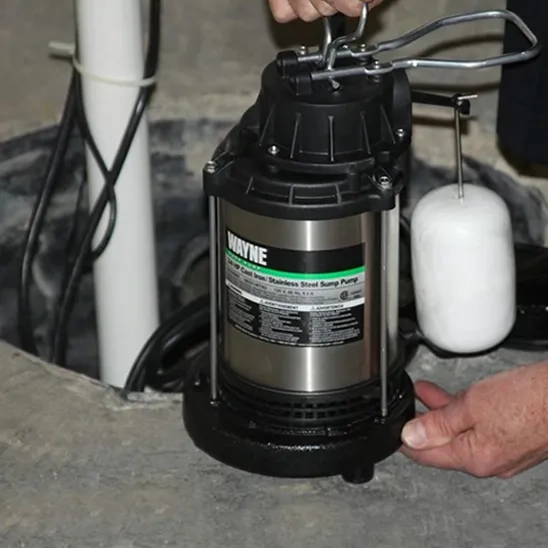
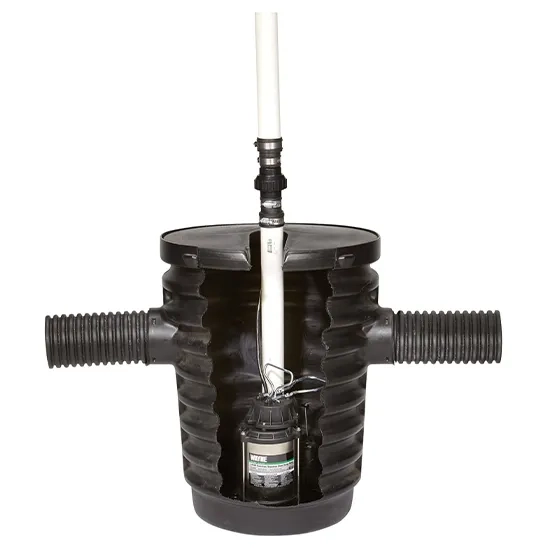
Product ranking in Product listing is a feature that determines the best product matches in each product listing based on various conditions. This includes the entered search query but also ranking by novelty, profit margins, and product boosting. One of the online platforms that can help you in the process of selecting is Amazon, where you can compare different products and read comments and reviews. In the article mentioned above, Wayne 3/4 HP Submersible Sump Pump with Integrated Vertical Float Switch ranked first, which can move up to 5490 gallons per hour. It is made from stainless steel and cast iron, so it is a rugged and durable submersible water pump. This product is designed for at least 11-inch-diameter sump pits. The top suction design of this product eliminates air lock and minimizes clogging from any debris in the sump pit. It can be easily installed in less than 15 minutes, and it is not required to drill a weep hole. This sump pump has been assembled in the USA and has a warranty of 5 years for dependable, ultra-quiet, and efficient performance.
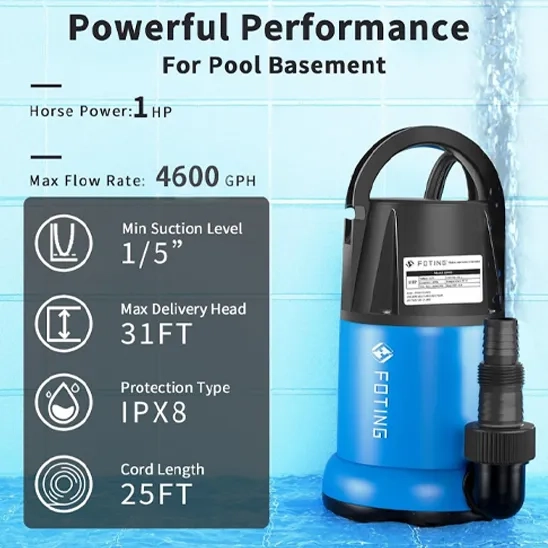
Customer service is vital, as they can increase the users' experience with the submersible sump water pumps. They can offer guidance to the capacity and flow rate and material and help them to make an informed decision based on the product that suits best based on their condition. You don’t want a device without further support from its manufacturer because you might face difficulties in using the device. A responsive company helps its users in each step to improve the best experience for the customer by helping in the installation process to boost the accuracy of the device and troubleshooting issues in cases of sensor malfunctions or connectivity issues. More advanced models need initial setup and configuration that companies can offer service in this area. Warranties are another factor that should be considered in case of failure if the device is needed. Some companies offer free repairs or replacement options during the warranty period. For example, a FOTING 1 HP Sump Pump Submersible, which can move water up to 3960 gallons per hour (66 gallons per minute) and lift water up to 31 feet of vertical height with low energy consumption, comes with a 1-year warranty.
In this buying guide section, we review various submersible sump water pumps to ensure you pick the right model.
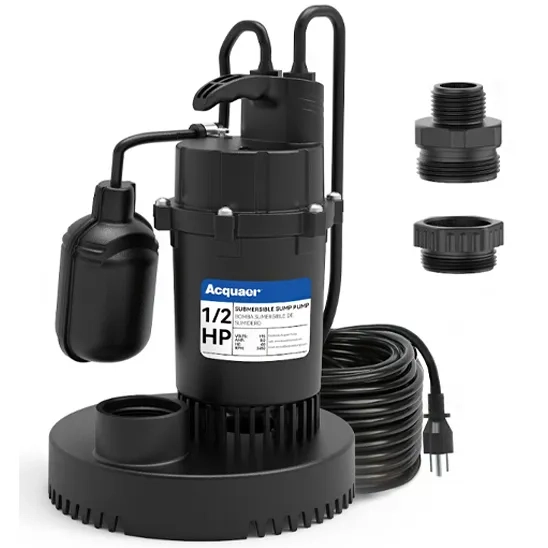
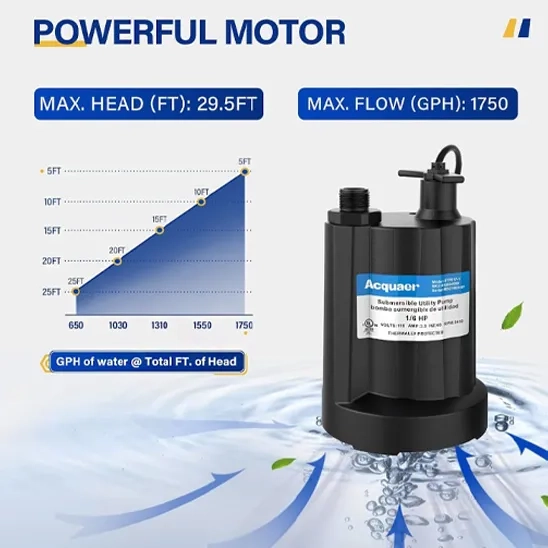
Generally, there are 2 different types of sump pumps, including standard and heavy duty. Each one offers unique features, but all of them can cover the buyers’ needs. Standard submersible sump water pumps are the most typical pumps with limited capacity and flow rate, removing water from basements, crawl spaces, or other areas prone to flooding. They are compact and easy to install and the water that they can move must have less debris and sediments. Thus, they can clog with large debris. On the other hand, heavy-duty pumps come with higher capacity and flow rate and better motor power. Also, they can handle water with debris, but they are more expensive with higher energy consumption. For instance FOTING 1 HP Sump Pump Submersibles is a standard pump, while Acquaer Submersible Water Pump is a heavy duty one with 1.6 HP motor power
Submersible sump pumps can also be categorized by operational mode, which may either be automatic or manual. An automatic sump pump has a float switch, an integral component of equipment employed for detecting the levels of water within the sump and switching the pump on and off accordingly. Once water is at a specific level, the switch initiates draining by the pump and closes after water drains back, avoiding unnecessary running. These pumps are particularly beneficial in areas where the level of water is likely to change since they help provide continuous monitoring and flood prevention of the basement without necessarily calling for manual intervention. For instance, WAYNE CDU790 - 1/3 HP has an automatic switch. In addition, through only operating when needed, automatic pumps optimize energy efficiency and reduce pump motor wear and tear, thus extending the life of the pump motor. They are however more costly compared to manual ones due to their added automation capabilities. Moreover, the float switch mechanism can also at times malfunction or jam and result in pump failure or overflow of water. Routine maintenance and properly installed installations also help relieve such issues with ensured performance. Automatic sump pumps, on the other hand, force the operator to turn them off and on themselves, though they are more affordable but less convenient where water levels continue changing unpredictably.
It is advisable to determine your initial needs to select a device that well suits your needs prior to purchasing an appropriate submersible sump pump. This includes assessing your requirements and setting a reasonable budget. By following these steps, knowledgeable purchases that match your usage objective can be guaranteed.
Initially, it is vital to evaluate the amount of water that, in case of flooding, you need to pump out, ensuring to select the right pump with adequate flow rate and capacity. Another element to consider is the type of water that needs to be removed (clean water or wastewater) because wastewater has debris and sediments on it and pumps need to use a grinder. Head height is important, which refers to the vertical distance the water needs to be pumped. The next step is determining the pump's power requirements. Power needed for the pump is based both on the flow rate and the head height. Submersible sump pumps are often rated in horsepower or watts. Manufacturers also offer performance curves showing how well the pump will perform under certain conditions. The motor’s power rating should match the needs of the system, taking into account potential overloads or blockages that could demand higher power to maintain performance. Another factor to consider is the pumps’ material, which can be thermoplastic, stainless steel, or cast iron. Generally, for clean water, the material is thermoplastic, but for heavier work , such as pumping wastewater, stainless steel or cast iron is needed.
Before purchasing a submersible sump water pump, it's crucial to evaluate your current system to ensure compatibility and integration needs, as outlined in this buying guide. Doing so ensures that the new pump works seamlessly with your existing water treatment or monitoring system, helping to avoid potential installation or operational problems. This buying guide also emphasizes the importance of assessing the available power supply to guarantee that the pump can be installed without overloading the system. Consider factors like voltage, amperage, and available circuits to ensure the pump operates smoothly. If your existing system experiences issues, such as circuit breakers tripping or wiring problems, this buying guide suggests considering energy-efficient models as an alternative. Upgrading to an energy-efficient pump can help reduce electricity costs if your current system is running inefficiently. Additionally, this buying guide advises inspecting your system for common problems like malfunctioning float switches, which could cause submersible sump water pumps to operate more frequently than necessary.
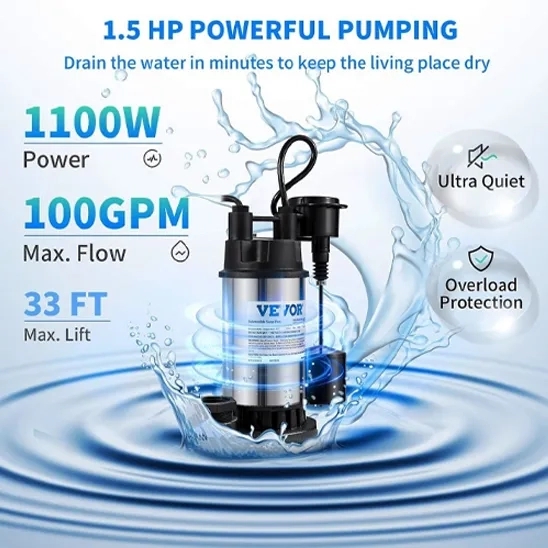
Submersible sump water pumps can have different prices based on the flow rate, capacity, head height, material and brand, and by determining the budget , you can narrow down your options. At the beginning, the flow rate and head height can impact the price and budget. Those submersible sump pumps with a higher flow rate that move the water or wastewater at a higher height tend to be more expensive. If you do not want to move the water to a higher height, therefore a less expensive submersible sump water pump can be your choice. However, if you have a larger home, an industrial application, or live in an area with extreme elevation differences, you'll probably have to spend more of your budget on a more powerful pump. Another factor to consider is the pump’s material. While thermoplastic pumps are affordable, they are not long-lasting, and if you use them frequently, they might malfunction. One of the products with a high flow rate is the Lanchez 1/6 HP Submersible Sump Pump ($89.99), which has a maximum flow rate of 4858 gallons per hour and lifts the water up to 32 feet. This product resists corrosion due to its thermoplastic body. The motor is equipped with an automatically resetting thermal overload protector, which allows the pump to rest and restart when cooled sufficiently.
This buying guide highlights several key points customers should be aware of to avoid mistakes when selecting a submersible sump water pump. One common error is neglecting the pump’s capacity and flow rate. If the pump lacks the required flow rate or capacity, it may fail to drain water effectively or consume excess power. It’s crucial to calculate the amount of water that needs to be pumped out before making a purchase. Another mistake to avoid is disregarding the pump’s material, as submersible pumps are often exposed to harsh environments, chemicals, and debris, which can cause low-quality parts to corrode. For heavy-duty applications, choosing a pump made of durable materials, such as cast iron, is essential. Energy efficiency is another important consideration. Some submersible sump pumps consume a significant amount of energy, potentially leading to higher electricity bills or causing the pump to operate inefficiently. Finally, maintenance should not be overlooked. Regularly clearing debris or inspecting the pump for wear can improve performance and reduce long-term maintenance costs, ensuring the pump continues to operate at its best.
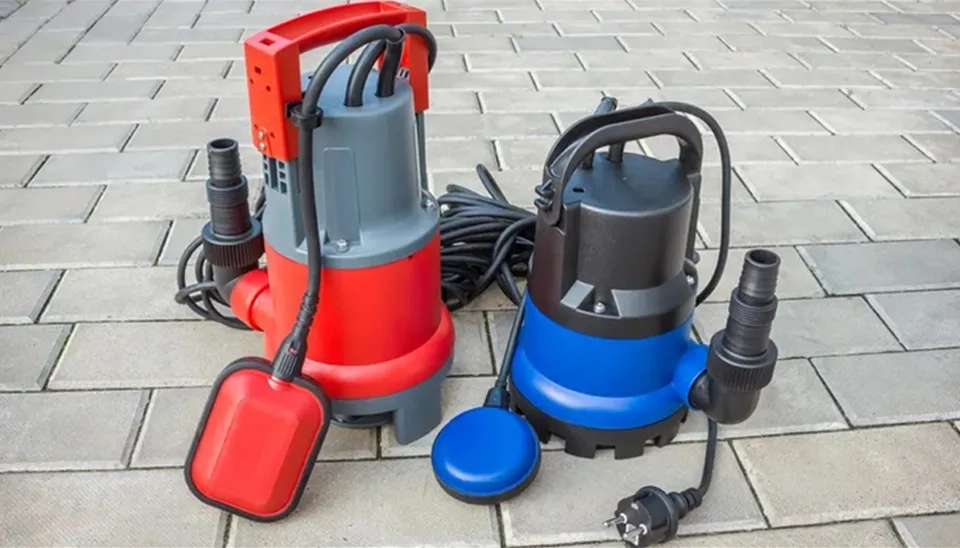
Have you identified the main source of water you intend to use the device on? (e.g., clean water or wastewater)
Have you identified the best flow rate and capacity based on your needs?
Have you identified the best material based on your applications?
Have you identified the amount of energy that needs to be allocated to the submersible sump water pump?
Have you identified whether the pump needs any initial installation or not?
Does the submersible sump pump provide the technological features you need? (Consider connectivity, such as Wi-Fi or Bluetooth connection.)
Is the display and interface easy to use and simple to read? (e.g., LCD screens or LED indicators, or touch screens that show real-time data)
Does the cost correlate with your budget while maintaining the overall requirements and keeping the right balance between expense, features, and durability over time?
Have you looked into the customer service and availability options? (e.g., warranty, professional assistance , return policy, rapid delivery, packaging, free monitoring service and responsiveness)
Have you searched product rankings and reviews to ensure reliability? (e.g.,
Currently, there are several companies that offer submersible sump pumps. To enhance your experience, it’s advisable to choose a reputable company in this field. Well-known companies like Liberty Pumps, Aquastrong, Superior Pump, and Wayne are recognized for their high-quality submersible sump pumps and extended warranty options. For a diverse selection, Amazon serves as an excellent buying guide, offering a vast array of submersible sump pumps along with in-depth customer reviews, ratings, and comparisons. This makes it easy for customers to evaluate the performance and quality of each product based on actual user experiences. Amazon also ensures a secure shopping environment, fast delivery, and reliable customer support, making it a convenient and trustworthy platform. For bulk purchases or discounted rates, Alibaba is another reliable buying guide, particularly beneficial for businesses looking to buy large quantities or source directly from manufacturers. With a broad range of products, a large number of sellers, and competitive prices, Alibaba is an ideal buying guide for those seeking bulk purchases, especially when customization is required.
This buying guide provides an in-depth overview for purchasing submersible sump water pumps, covering essential factors such as capacity, flow rate, technological features, noise levels, motor specifications, and more. This buying guideline is designed for homeowners looking to choose the ideal submersible sump pump for their specific needs. Additionally, the buying guide highlights common mistakes to avoid when making a purchase. The guide covers a broad range of options, from budget-friendly models to advanced, smart, and industrial-grade pumps. This buying guide concludes with a checklist to help buyers evaluate all crucial details before purchasing, ensuring they make the best choice. With this comprehensive buying guide, users can select a pump that not only fulfills their current needs but also accommodates future requirements, ensuring efficient performance and potentially reducing maintenance costs.
Bayesian Rank, buying guidelines, reviews, comments, etc.)
Keep reading








Comments
No comments yet
Be the first to comment
Share your thoughts and start the conversation.