From the Pipes to the Plug: Water Bacteria Generating Electrical Energy
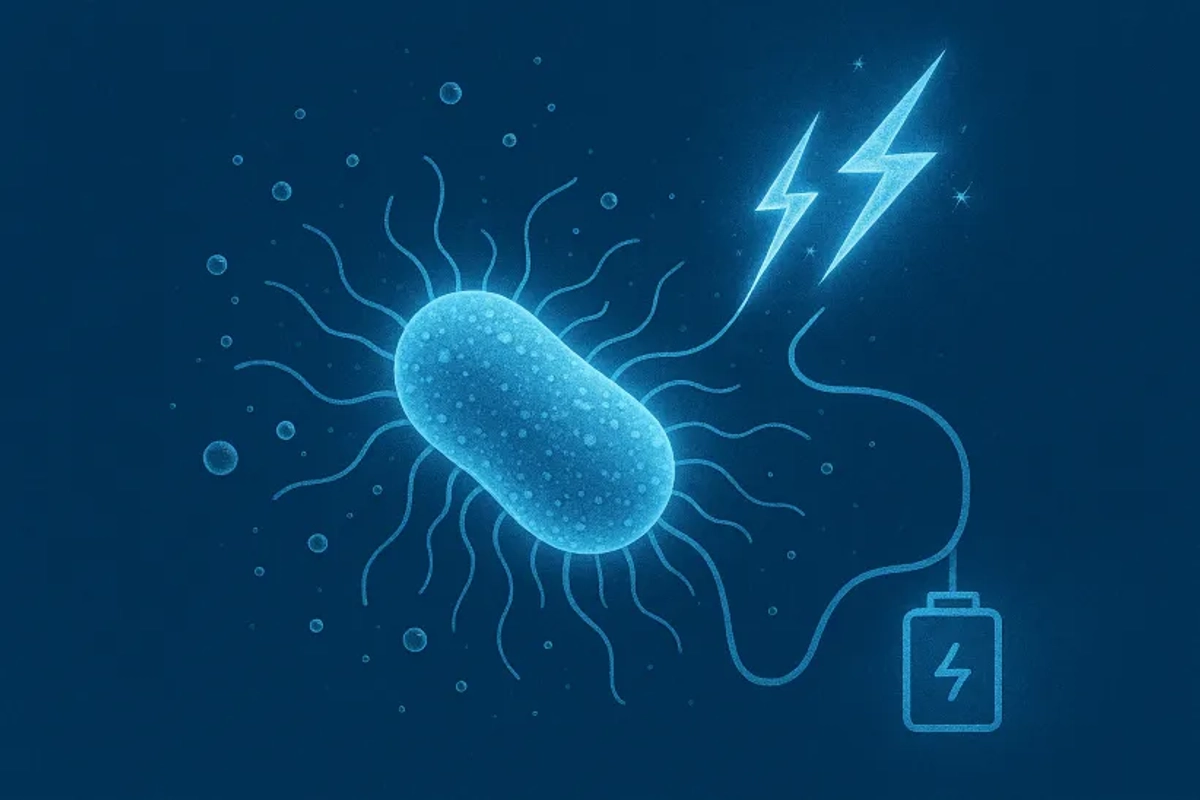
Microbial Fuel Cells (MFCs) use bacteria to convert chemical energy in wastewater directly into electricity. This dual-function technology offers sustainable energy generation coupled with effective water treatment, making it a promising eco-friendly alternative.
A public toilet uses its own excrement for keeping its lamp light!!! Could it be even possible?!
Here we studied and gathered various works and investigations that prove that the littlest unusable features in dirtiest sources are considered an important future energy supply on our planet.
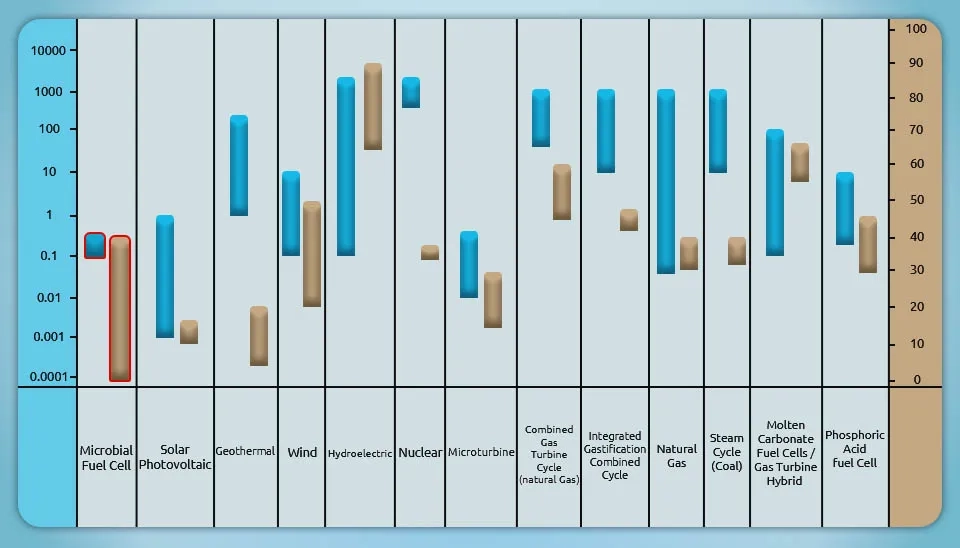
Today's world is controlled by technology, which is essential for human development. However, it causes a decrease in natural resources, especially fossil fuels such as various chemical products. Nowadays, electricity from these nonrenewable sources powers the majority of homes and businesses, which has been expected to cause a global energy crisis. In order to prevent such a disaster in the future, scientists have been creating renewable technologies that can be used as alternative energy sources (Bazina et al., 2023). According to the figure below, further study is needed to compare MFCs with alternative energy sources (Slate et al., 2019).
Fig. 1. Comparison of average power output (MW) and efficiency (%) of Microbial Fuel Cells (MFCs) versus other energy sources.
This innovation started in 1911 by a professor of botany at the University of Durham in England named M.C. Potter, But at that time, his study didn’t receive enough social attention. This power of bacteria has been discovered only recently due to the increasing demand for new sources of electrical energy worldwide (Lal, 2013).
A lot of work is being done to create the methods for generating electricity from renewable resources with lower carbon emissions; these methods will also decrease the risk of global warming. As a renewable alternative energy source, Microbial Fuel Cells (MFCs) are a novel technology that is crucial for the researchers currently (Allen and Benetto, 1993 ; Gil et al., 2023). Recent studies in electrophysiology confirm this fact: every physiological process involves both chemical changes and electrical changes (Potter, 1911).
In this paper, bacterial types and their role in MFC systems in line with electrical energy generation are discussed, as well as all the advantages and disadvantages.
1. Water and Wastewater Bacteria
Microorganisms typically use complex mixed cultures as anaerobic substrates. However, several common MFC systems find a single microbial species’s metabolic ability for energy generation (Robaey and Verstraete, 2005). Marine sediments, soil, wastewater, freshwater sediment and activated sludge are all wealthy sources of the organic components that can provide microorganisms for the MFC's catalyst unit (Niessen et al., 2006).
1.1. Electrogenic Bacteria: Key Types of Microbes Used for MFC Energy Generation
MFC systems use a variety of bacteria to consume energy. The table below highlights some common types of these bacteria.
Table 1. Frequently applied microorganisms in MFCs with their substrates and methods (Obileke et al., 2021)
Microbe for MFCs
Methods
Substrates
Erwinia dissolvens
Mediator MFC
Glucose
Proteus mirabilis
Mediator MFC
Glucose
Aeromonas hydrophila
Mediator less MFC
Acetate
Geobacter Metallireducens
Mediator less MFC
Acetate
G. sulfurreducens
Mediator less MFC
Acetate
Rhodoferax ferrieduce
Mediator less MFC
Glucose
Shewanella putrefacien
Mediator less MFC
Lactose, pyruvate, acetate, glucose
Klebsiella pneumoniae
Mediator MFC
Glucose
Lactobacilus plantarum
Mediator MFC
Glucose
Geobacter species is one of the most important ones in MFCs because it generates a greater current density than any other known organism. Moreover, they usually colonize electrodes that generate energy from aquatic sediments and organic waste (Lovley et al., 2011). Additionally, microorganisms reduce metal and androphilic types, which show more potential for mediator-less MFC operation (Das and Mangwani, 2010).
1.2. Optimal Conditions for Bacterial Performance
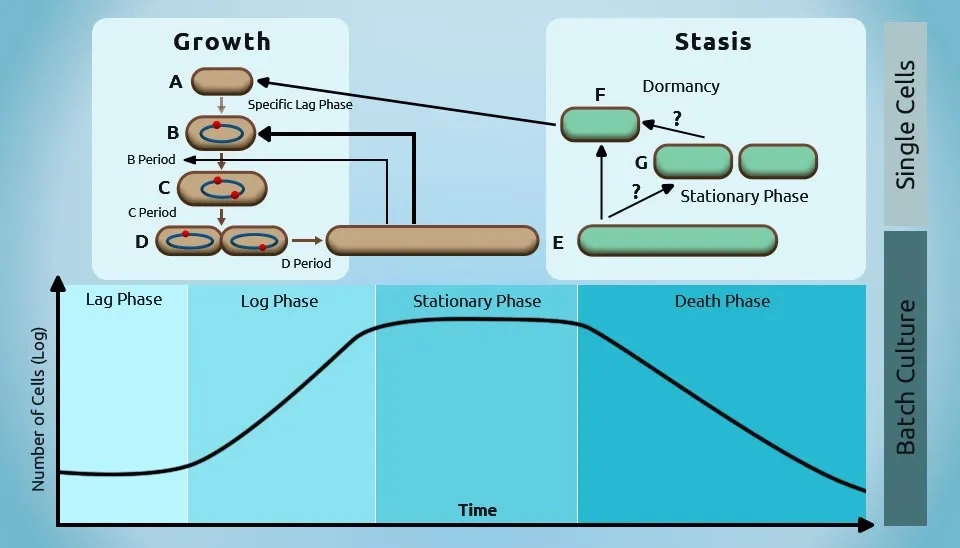
Bacterial cells divide after reaching a specific size under the appropriate situation. Numerous biological processes cause cellular component production, including ribosomes, most proteins and nucleic acids, which in turn cause a growth of cell dimensions. The concept of “growth cycle” is often utilized to describe the overview of these processes (Kushkevych, 2023). Here is the figure that represents the bacterial growth process:
Fig. 2. Bacterial Growth Cycle Diagram: Stages of growth and stasis essential for optimal performance in Microbial Fuel Cells (MFCs).
It is important to consider that although the diagram’s upper (single cell) and lower (population) parts can be compared, all of the elements in the diagram couldn't be compared. Cell lettering stands for the many stages in the context. “?” represents a potential procedure that is not well known.
State "A" describes a hypothetical cell that is dedicated to growth and has the necessary resources in access but is not yet expanding visibly. An injury or adjustment to a new environment can repair this cell. The cell finally reaches stage B, when its phenotypic status is considered equal to the result of division in an expanding culture and becomes adjusted to start growing in its current environment. It is similar to the bacterial cell cycle’s “B” (birth) stage in the second term. As it is shown in the figure above, this cell progresses through states C and D when chromosomal replication begins and the septum forms. When the initial rounds of replication are over, the chromosome divides before the septum and fission are completed. The progeny (E) has been randomly divided into developing and static cells to show different paths. Both progeny would continue to grow rapidly and would be considered as having entered the “B” phase of the cycle when the conditions were suitable for future development (Barer, 2009, Coates, 2003).
1.3. Challenges in Harnessing Energy from Bacteria
Numerous elements, such as temperature, cathode aeration, PH, conductivity, anode anaerobic treatment nutrient sources, electron transfer mediator, moisture, reactor design, etc., are necessary for MFCs to be more functional (Zhang et al., 2019).
MFCs have a number of issues and restrictions that should be solved in order to improve their effectiveness, such as low power output, stability and variety of microbes in MFCs, commercial feasibility and cost-effectiveness, and engineering and technological issues in large-scale deployment (Pandya et al., 2024).
2. Microbial Fuel Cell (MFC)
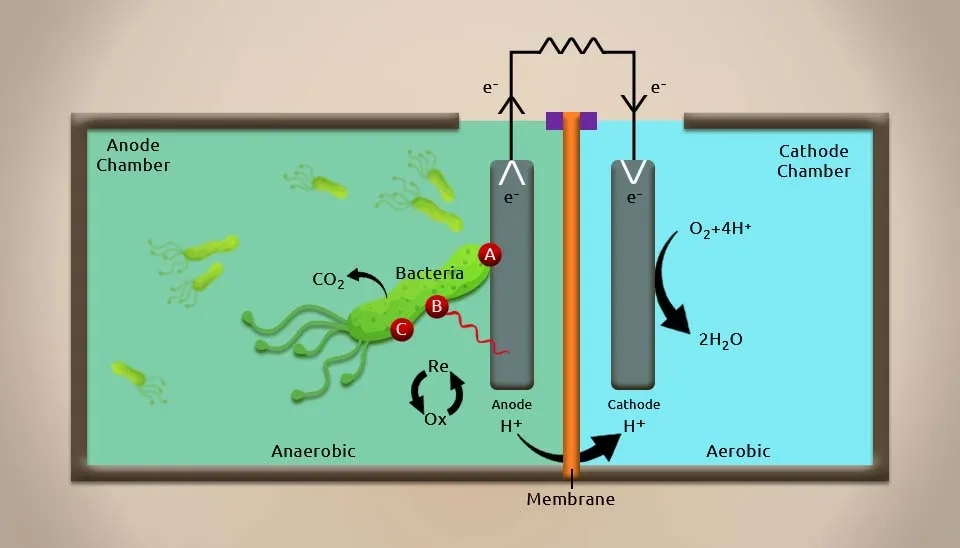
Microbial Fuel Cells (MFC) are the most important factor in energy generation from the bacteria as they transfer the chemical energy to the electrical energy by using a fuel at the anode and an oxidant at the cathode.Then, using an external circuit, those freed protons and electrons create electricity (according to the equation below):
Anode: C6H12O6+6H2O→6CO2+24H++24e-
Cathode: 6O2+24H++24e-→12H2O
C6H12O6+6O2→6CO2+6H2O+Electrical Energy
An ion exchange membrane separates the anode and cathode in MFCs, and the mixture of microorganisms and organic material makes the fuel (Logan and Regan, 2006).
However, the efficiency decreases due to a direct route of electrons from the bacteria to the anode. Therefore, exogenous agents such as thionine, methyl viologen, humic acid, etc., are used in electrochemically inactive microbial cells. They work as electron shuttles by moving, releasing electrons to the anode, and then returning to the bacterial cells. Despite the fact that these materials are expensive and poisonous to the microorganisms (Ghangrekar and Shinde, 2007),
This technology uses microorganism catalyst activity to transform the chemical energy storage in organic compound bonds into electrical energy (Do et al., 2018).
Fig. 3. Schematic of the Microbial Fuel Cell (MFC) mechanism, showing electron transfer from water bacteria.
2.1. The Role of Microbial Fuel Cells (MFCs)
A Microbial Fuel Cell (MFC) is a system that uses a microbe as a catalyst to generate electrical power from a wide range of organic or inorganic substrates (Marcus et al., 2007).
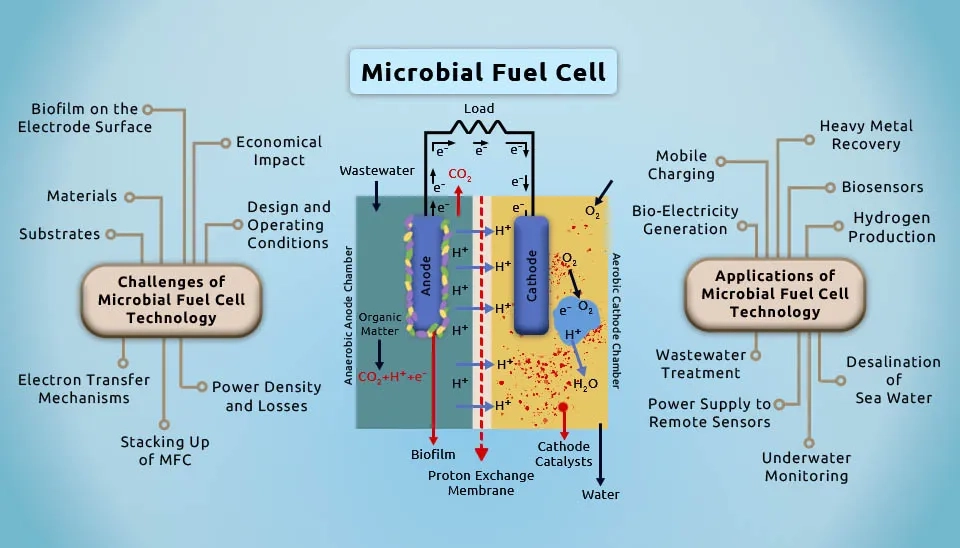
MFCs are a potentially challenging technology that can solve the environmental issue by treating wastewater and saving energy at the same time (Pandey et al., 2016). This ability makes MFC technology stand out among the other renewable energy technologies. Moreover, according to the Su et al. review, MFCs can be used as biosensors to detect various elements, including volatile fatty acids (Kaur et al., 2014) or bioactive compounds, such as formaldehyde in drinking water (Chouler et al., 2018). They can also be used for resource recovery, such as phosphorus, nitrogen, potassium and copper (Walter et al., 2020). Additionally, using an external power source (microbial electrolysis cell), the same MFC technology’s operating principles can be applied to the production of valuable products like hydrogen (Kuntke et al., 2014) or desalination of water (Sophia et al., 2016). A wide range of MFC applications, from biomedical to underwater monitoring due to power generation and wastewater treatment, are discussed by Dwivedi et al. (2022).
Fig. 4. Key Challenges and Applications of Microbial Fuel Cells (MFCs) for Sustainable Electrical Energy Generating Systems.
2.2. MFC Classification
According to the architecture and the different ways that bacteria transport electrons into anodes, MFCs can be categorized. They can also be classified as mediator- or mediator-less based on the electron transport pathways. In the mediator type, microbes lack active surface proteins that allow electron transport to the anode electrode. Therefore, they need agents that make electrons more available and help with their movement between bacteria and electrodes. These agents are known as mediators or electroactive metabolites. However, the second type of MFC, also known as mediator-less MFCs, can generate electricity without the need for a mediator. In fact, they depend on microorganisms that reduce metal, such as Shewanella putrefaciens, Geobacter sulfurreducens, Klebsiella pneumoniae, etc. (Flimban et al., 2018).
Nevertheless, MFCs can be classified as double chamber, single chambered, upflow or triple chambered depending on their design too (Kumar et al., 2017).
2.3. Key Processes in Microbial Fuel Cells
Currently, microbial electrocatalysis requires the use of electrolytes with complex chemical compositions, low ionic conductivity and a PH of around neutral. These electrolytes are suboptimal for an electrochemical process. Ion transport using an electrolyte is an important state in this context due to its great impact on the electrode rates and overall cell performance (Oliot et al., 2016).
3. Mechanism of Energy Generation: Electron Transfer and the MFC System
MFC works by making electrochemically active bacteria consume organic substrates or biomass, which break the atomic connection and release electrons that are transferred to the anode by proton exchange membranes in an external circuit to produce electricity. Totally, the mechanism of MFC working contains two important steps: cathode decrease and anode oxidation (Hasan et al., 2023).
MFC scans use a range of organic fuel sources using the bio-catalyst abilities of living microorganisms to transform the energy stored in chemical bonds into electrical power instead of using the metal catalyst (Du et al., 2007).
MFC’s optimal performance is determined by the electrochemical reaction between the high-potential electron acceptor and the low-potential organic substrate (Robaey and Verstraete, 2005).
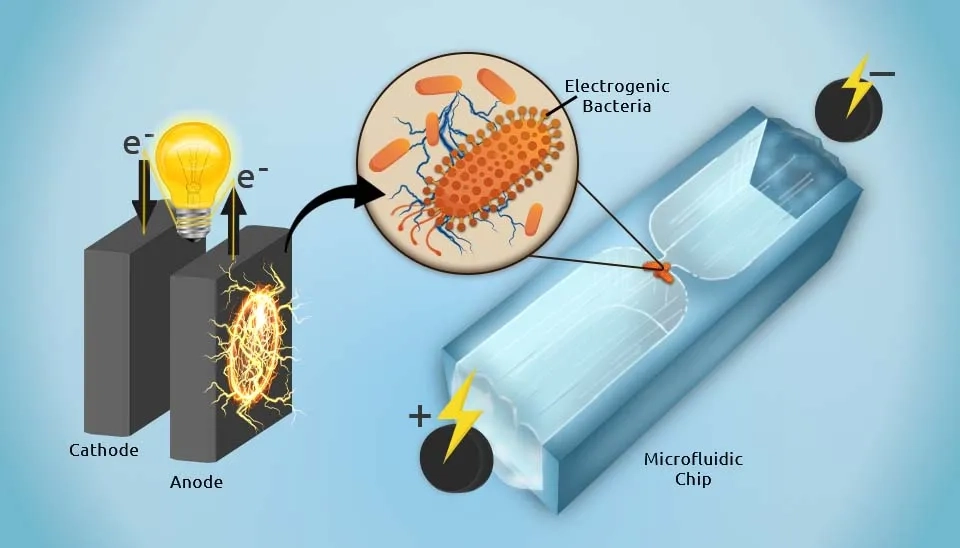
Fig. 5. Screening electrogenic bacteria on a microfluidic chip for use in Electrical Energy Generating Systems.
4. Advantages of Using Water Bacteria, Current Applications and Case Studies
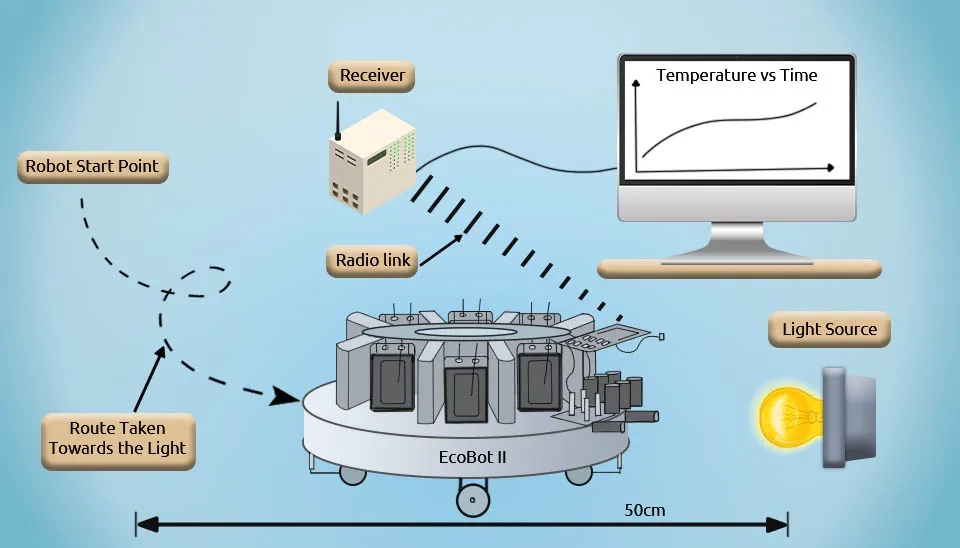
Leropoulos et al. generated the efficiency power to move the robot by the MFCs in 2005, which showed an artificial symbiosis primitive to the robot Ecobot-II improvement. In this innovation, MFCs were considered an onboard energy source that uses free air oxygen for oxidation at the cathode and bacterial cultures from sewage sludge. In addition to feeding on insects and other substrates, Ecobot-II demonstrated its ability to sense, analyze, communicate, and even move. This is the first robot ever to exhibit four behavioral patterns using free air, oxygen and basic supplies.
Fig. 6. Experimental setup for the short-distance run of EcoBot II, powered by Microbial Fuel Cells (MFCs).
According to the above picture, the robot was always positioned at a 90° angle to the light source to seek light.
Another important achievement is when Bill Gates invested in a project due to generating power from the feces. This means that the MFC system is used to continuously light public toilets. This investigation was improved by Walter et al. (2020), as they used urine to feed the MFC units for the instant energy source.
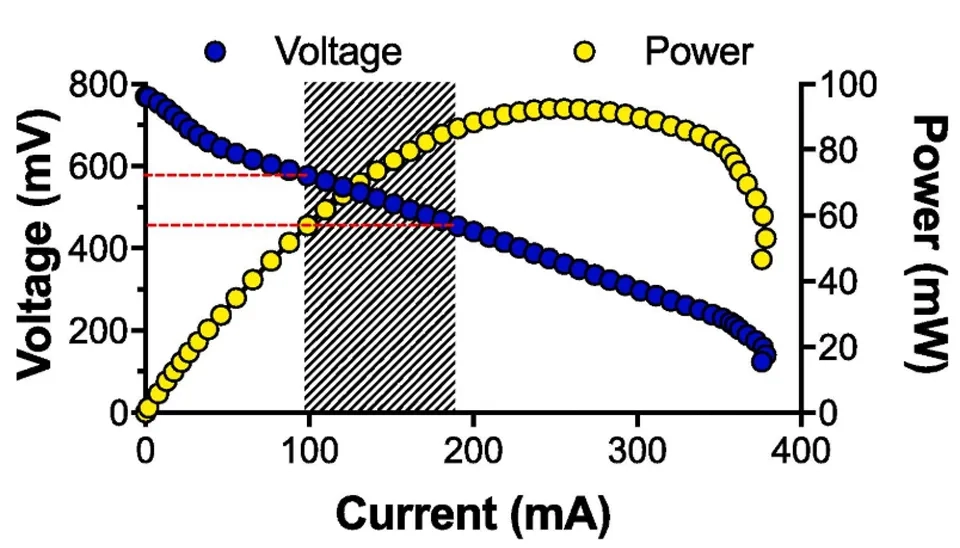
Fig. 7. Voltage and Power Output: Key performance metrics of a Microbial Fuel Cell (MFC) module fueled by untreated urine.
The darker area shows the primary objective for stability
4.1. Advancements in Bacterial Technology
Here are ten variable samples with their characteristics as anode and cathode material. Microbial composition and the suggested mechanism with the substrate are required, and finally, the obtained energy amount from these processes.
Tabel 2. Current status of the literature on MFC performance in relation to carbon-based electrodes and different electrochemical mechanism overview.
According to the table, the maximum production by an MFC to date is 5.61 W m⁻² (11.200 Wm3) in comparison to the US national average of solar power, which is expected to be between 100 W m⁻² and 150 W m⁻² (Ren et al., 2016). However, MFCs comparison is challenging due to the incompatibility of the units and standards for energy output (Slate et al., 2019).
4.2. Eco-Friendliness and Sustainability
MFCs are beneficial to the environment due to their lower CO2 emissions. In addition, as long as the cell is supplied with fuel and oxidant, MFCs can generate electricity continuously. The cell’s fuel is stored externally, and this prevents it from running out internally. Therefore, the MFC is ideal as a dependable power source due to its lack of moving parts (Rajalakshmi et al., 2021).
By reducing carbon footprints, energy production and greenhouse gas emissions, MFC use improves sustainability. Water electrolysis happens when a certain voltage is applied to bacteria for the biodegradation of organic contaminants, and it also causes H₂ production from the wastewater, which helps the decarbonization process (Goh et al., 2022)
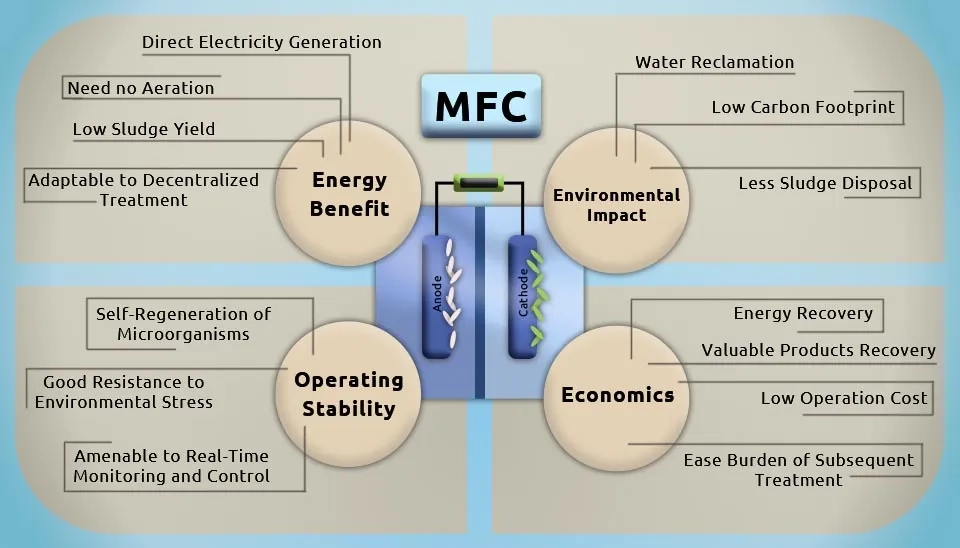
Fig. 8. The four main benefits of Microbial Fuel Cells (MFCs): Energy generation, environmental impact, operational stability, and economic viability.
4.3. Potential for Wastewater Treatment
In this model, scientists are working to create an anaerobic MFC with effective electrodes that can apply wastewater to produce energy while treating it with the minimum amount of waste produced during operation (Kokabian and Gude, 2013).
5. Challenges and Limitations
Low energy output, short lifespans and high related costs, most of which are from electrode material and PEM (Proton Exchange Membrane) use, are the limiting factors of MFC performance. The high costs of advanced electrode materials and membranes hinder the large-scale adoption of MFC technology, as they require substantial investment to ensure durability and efficiency. However, the rate of electron transfer to the anode and the material’s electrochemical characteristics are the crucial variables limiting the power output of MFC technologies currently (Deng et al., 2010).
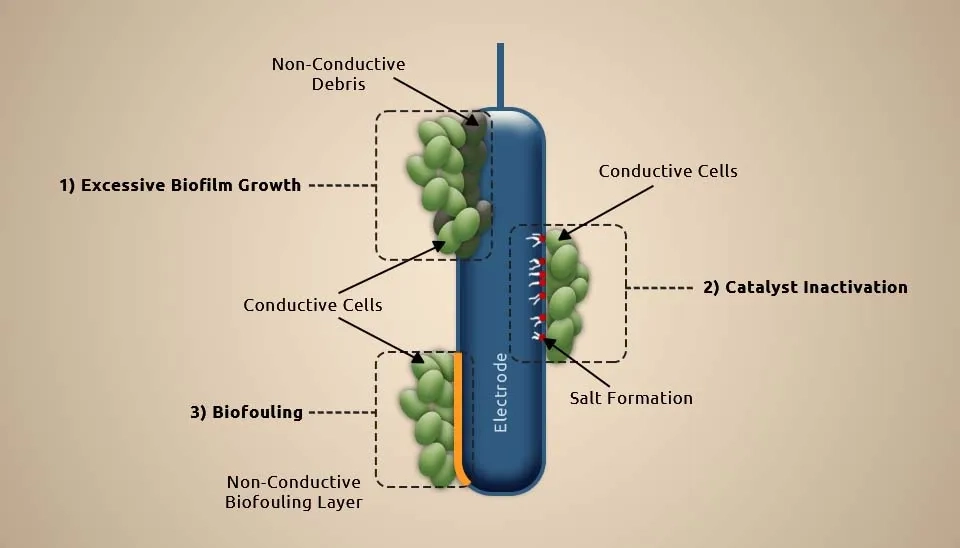
Fig. 9. Factors limiting MFC efficiency: Biofouling, catalyst inactivation, and excessive biofilm growth on the electrode surface.
Biofouling (electrode blockage), catalyst inactivation and excessive bacterial biofilm growth that occurs in the production of non-convective material are the samples (Sun et al., 2016). These issues reduce the efficiency of electron transfer, leading to decreased power output and system reliability over time. The MFC technique has many problems, including low power density, high initial capital cost, scaling-up challenges, electrodes and MFC configuration. exoelectrogen activity in complicated wastewater environments and factors that limit electrode performance (Li et al., 2014). Addressing these limitations requires significant advancements in electrode materials, microbial management, and system design to ensure consistent and scalable performance in diverse applications.
5.1. Economic Feasibility of Large-Scale Projects
According to initial studies, MFC eliminates over 20% of wastewater’s azo-dye contaminants (Hu et al., 2018). 99.9% nitrogen is removed when two MFCs have been combined, one of which can be utilized for nitrification and the other one for autotrophic nitrification (Peera et al., 2021). A start-up prototype MFC wastewater treatment system that would produce electricity has been developed by the Indian Institute of Technology-Madras (IIT-M) and the Tripuran garment dyeing facility. Small-scale installations with an organic load of at least 100 kg Biochemical Oxygen Demand (BOD)/day will be able to use the setup (Ians, 2019).
5.2. The Path to Commercialization
Fossil fuel usage has grown greatly during the recent decades through urbanization growth, which has caused an increasing number of environmental problems, including air pollution, climate change and global warming. These problems have a negative effect on the economy and human health. Nowadays, new alternative energy sources with the least possible negative effects on the environment have been developed. However, there are serious concerns about anthropogenic pollutants contaminating water supplies with these new technologies (Kamali et al., 2023).
Future applications of MFCs are predicted to reach 9% globally. The development of creative design techniques that enable MFCs to handle various substrate-containing wastewaters while keeping the capacity to recover sources is required. Some of the top companies are leaders in the global MFC market, such as Pilus Energy LLC of the US, Fluence Corporation Limited of the US, Triqua International BV of the Netherlands. MICROrganic Technologies Inc. of the US, Prongineer R&D Ltd. of Canada, and finally Vinpro Technologies of India (Rath et al., 2021).
5.3. Future Perspectives
To create a cleaner and more ecologically friendly environment in coming and underdeveloped nations, MFCs' future depends on their economy and capacity to continually produce bioelectricity (Naha et al., 2023).
MFCs can generate power or hydrogen for a relatively short period of time with far fewer CO₂ emissions than natural gas, which takes millions of years to develop. Considering carbon neutrality, this leads to net greenhouse gas savings. Climate change becomes faster by the hydrogen creation from natural gas extraction, which accounts for 2% of all anthropogenic CO₂ emissions into the atmosphere when compared to MFCs. Since we currently produce hydrogen using fossil fuels, the need for a cleaner and more ecologically friendly method is growing.
Therefore, the world must speed up the energy transition to a low-carbon and ecological energy system to achieve carbon neutrality between 2050 and 2070.
The EU published a long-term plan in 2020 to achieve a carbon neutrality commitment up to 2050. Indonesia, Malaysia, China and Korea also started the path toward a decarbonized society (Capodaglio et al., 2013).
6. Conclusion
MFCs have the potential to be a powerful technology for producing cleaner, renewable bioenergy, which is required to solve the future energy problem. MFCs are powerful biochemical systems that may transform harmful substrates into less toxic, non-toxic forms, making them effective tools for wastewater treatment, activated sewage treatment and disposal, in addition to producing electricity from organic sources. They operate by utilizing microorganisms as catalysts to oxidize organic matter, releasing electrons that generate an electric current, making them unique in their dual capability for energy production and environmental remediation. On the other hand, continuous power generation and efficient wastewater treatment are essential in demanding the use of an effective and reasonably priced MFC system. The biggest challenge is scaling up the use of MFCs, which requires removing some barriers, such as external energy requirements, to activate the MFC circuit. Overcoming this limitation involves developing self-sustaining designs that minimize reliance on external energy, further enhancing the economic feasibility of large-scale implementation. Regardless of its benefits and uses, more research on scale-up adjustments and logical MFC improvement should be done. Future applications should prioritize this as one of the more sustainable and clean energy sources. With continued innovation and investment in this technology, MFCs could play a pivotal role in addressing global energy and environmental challenges by providing a reliable, sustainable, and eco-friendly energy solution.
Aeromonas hydrophia
Mediator less MFC
Acetate
S. oniedinsis MR-1
Mediator less MFC
Lactase
From the Pipes to the Plug: Water Bacteria Generating Electrical Energy | Waterlyst





Comments
No comments yet
Be the first to comment
Share your thoughts and start the conversation.