How to Choose the Right Water Pressure Regulator for Your Needs: A Comprehensive Buying Guide
By understanding the key specifications and features of water pressure regulators, you can make an informed decision and ensure optimal performance for your plumbing system.
Water pressure regulators are effective tools for maintaining pressure in the plumbing system and preventing damage. It is also called a pressure-reducing valve, or PRV, is a specialized plumbing valve that decreases the water pressure coming into the home through the main water line. The main duty of the valve is to reduce the pressure to a safe level before the water reaches any plumbing fixtures inside the home. Moreover, the pressure controller will start with the valve closed; the setpoint will be entered, and the valve will open until the measured pressure reaches the selected setpoint. Thus, these types of pressure controllers are used for filling applications. Reading this buying guide can help you in selecting the best water pressure regulator on the market. In case you're looking for one of these products without knowing some of the features to consider, follow this comprehensive buying guide for choosing the best product based on your needs. By understanding the key specifications and features, you can make an informed decision and ensure optimal performance for your plumbing system.
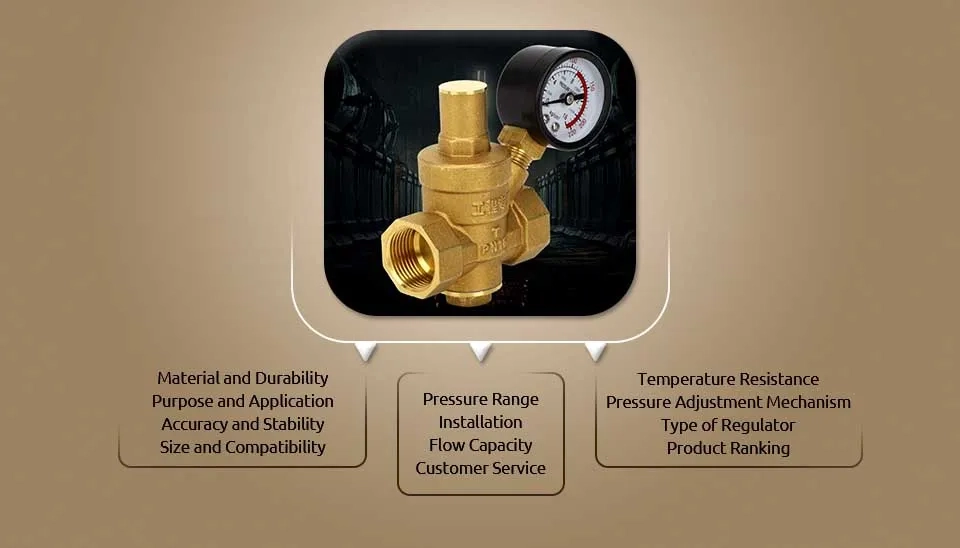
Fig. 1. Essential buying considerations for choosing the right water pressure regulator.
1. Key Considerations When Choosing Water Pressure Regulators
For selecting the best water pressure regulator, you must consider several factors, which this section of the buying guide will evaluate. These are some vital factors that can guide you before your purchase:
1.1. Purpose and Application
There are certain benefits of having a pressure-reducing valve in your system:
They can save thousands of gallons a year in the typical home because a regulated stream of water set at the right pressure level, users can save water consumption in their homes without changing any habits.
Pressure-reducing valves are better for fixtures and appliances. A water pressure-regulating valve extends the life and functionality of appliances with a smooth, consistent stream of water.
The initial installation, indeed, has an extra cost, but it will quickly pay off. Users' water bills will significantly decrease, and users can even see a reduction in energy usage, with fewer repairs on their appliances.
Unnecessarily high pressure can be detrimental to the pipes; the heavy flow can cause cracks and leaks, causing big pipe blowouts. Water leaks will do extreme damage to your home, often requiring major construction restoration to damaged floors, cabinets, drywall, and surrounding areas. To decrease the chance of having a major plumbing disaster, water pressure regulation is needed.
It is notable that the application of the product is not limited to homes. For example, they are used in gas grills to regulate propane, in medical and dental equipment to regulate oxygen and anesthesia gases, in pneumatic automation systems to regulate compressed air, and in engines to regulate fuel.
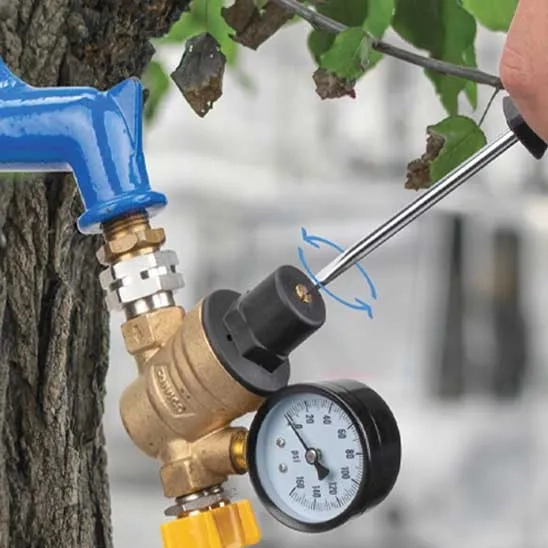
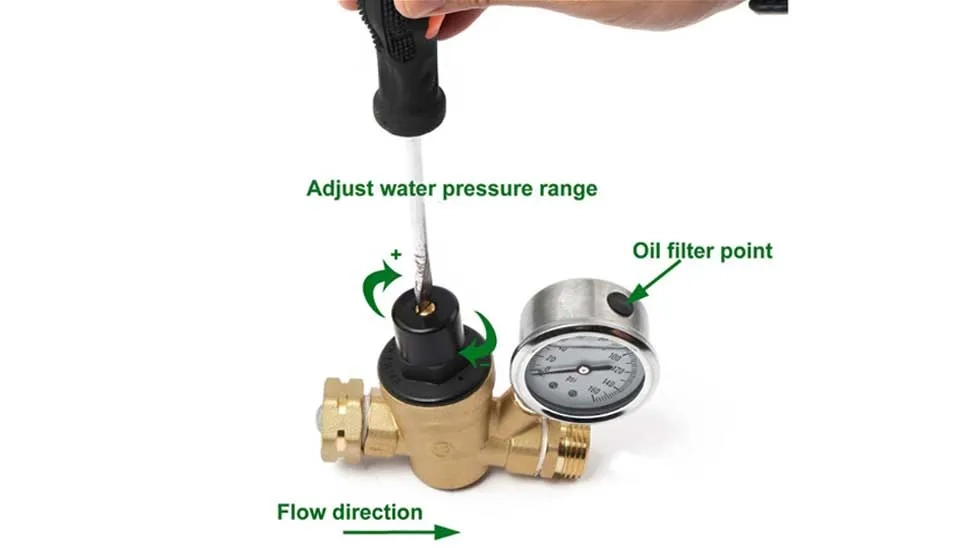
Fig. 2. Water pressure regulator calibration for accurate pressure control and system protection.
1.2. Pressure Range
Pressure range is one of the most critical factors when selecting a water pressure regulator. The usual definition of the operating pressure range defines both the minimum and maximum pressures. Water pressure is measured in PSI (pound-force per square inch). Common operating pressure is in a range of 40 to 80 psi for most regulators, but in some cases, the incoming water pressure can be up to 100 psi. Therefore, by measuring the difference between incoming and outgoing pressures, a regulator can be selected. Furthermore, some applications have high incoming pressures, which necessitate a regulator capable of handling a wider range of pressures so the pressure can be stepped down safely. For instance, if the pressure in an incoming water supply is 100 psi, while the system needs 50 psi, then that drop has to be handled by the regulator. On the other hand, if the incoming pressure is sufficiently low, a more restrictive regulator with a narrow range may work well. Another important factor is the adjustability of the pressure range. While some have fixed settings of pressure, others offer adjusted pressure ranges that users can define based on their applications, resulting in setting water pressure with greater precision based on system needs. This feature can be beneficial for systems with fluctuating demand. This feature guarantees that the system works perfectly by conserving water and avoiding the adverse effects of overpressure and low-pressure problems.
Fig. 3. Pressure range is a determining factor when buying a water pressure regulator
A most important factor that users often forget to consider is a decline in pressure. A significant decrease in pressure can disturb the system's performance in commercial or even industrial use. It is pertinent to choose that regulator whose range of pressure can keep the pressure stable in the entire system without compromising the flow rates. A proper balance between pressure drop and flow rate provides optimal performance, preventing unnecessary system wear and tear.
1.3. Material and Durability
The material and durability of water pressure regulators are crucial factors that directly affect their performance and functionality, as outlined in this buying guideline. Regulators can be made from materials such as brass, plastic, aluminum, or stainless steel (including 303, 304, and 316 grades). The springs inside these regulators are commonly crafted from carbon steel or stainless steel. Brass is the most widely used material due to its excellent corrosion resistance and strength, making it suitable for both residential and commercial applications. Stainless steel regulators, although pricier, offer superior durability, especially in harsh environments or with aggressive water chemistry. However, they are less common. This buying guideline also advises that plastic regulators, while lightweight, are not suitable for high-pressure or extreme temperature conditions. Bronze material is commonly used in plumbing and industrial applications as it offers a durable and corrosion-resistant option. It offers better resistance to dezincification compared to brass, making it more suitable for prolonged exposure to aggressive water conditions.
Fig. 4. Material selection plays a critical role in water pressure regulator performance and lifespan
This buying guideline further emphasizes the importance of selecting a corrosion-resistant regulator, especially in systems with hard or mineral-rich water. Regulators made from less durable materials can fail after prolonged exposure to corrosive agents such as chlorine, salts, or minerals. In addition to material selection, the pressure range plays a significant role in its overall durability, as discussed in this buying guideline. For example, large commercial irrigation or fire sprinkler systems that work under high pressure and flow demand require regulators made from robust materials. A regulator that fails to withstand these pressures will have a shorter lifespan, leading to costly maintenance and operational inefficiencies. This buying guideline stresses that selecting a regulator based on its material strength is essential for ensuring that it can handle these demanding applications. Finally, this buying guideline notes that environmental conditions are critical! Regulators that are used outdoors or in extreme conditions should be able to withstand UV exposure, freezing temperatures, and high humidity levels. Systems operating outdoors should opt for UV-resistant plastic or weather-resistant metals to ensure long-term reliability and minimal maintenance. By following these material and durability considerations outlined in the buying guideline, you can select a regulator that will provide reliable performance and extend its operational life, reducing the need for frequent replacements.
Fig. 5. Brass water pressure regulator valued for corrosion resistance, durability, and long service life
1.4. Size and Compatibility
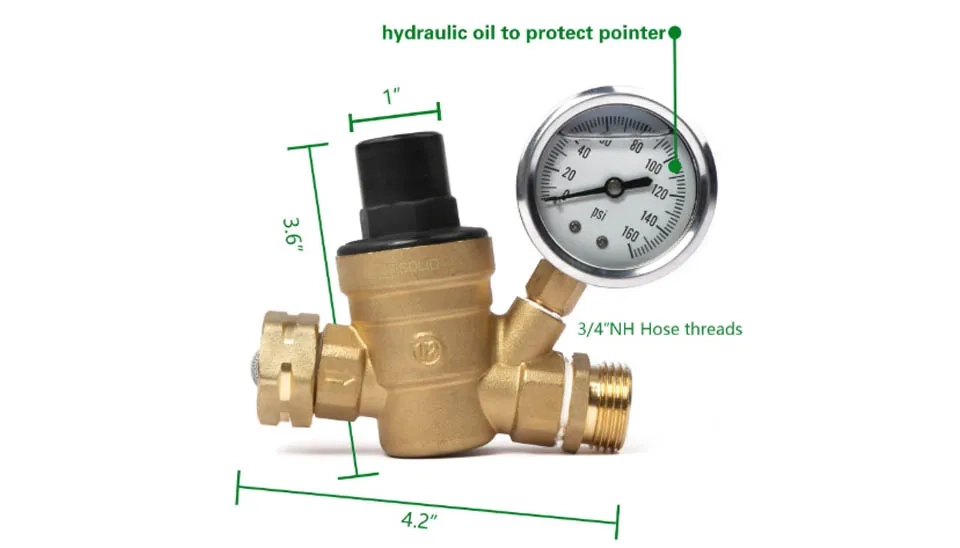
The plumbing system’s diameter must match the size of a water pressure regulator. ½ inch, ¾ inch, and 1 inch (2.54 cm) are the most common sizes of the regulators and larger depending on the capacity of flow it is supposed to handle. By selecting a regulator that matches the existing pipe size, leaks and pressure loss can be avoided. The common side effects of not selecting the right size are pressure fluctuation and water flow reduction. The larger size is used in larger commercial systems to handle higher flow rates, while residential systems usually use smaller sizes. Then, besides size, other important factors may be material compatibility. If the plumbing system for your home relies on PVC or CPVC pipe, you need a regulator made with connections capable of working accordingly. With regard to metal pipes, such as copper or galvanized steel, the regulators should be fitted with corresponding threaded fittings or adaptors. A regulator made from corrosion-resistant materials, compatible with the piping system, can last a long time with reduced chances of leakage and failure.
Fig. 6. Typical pressure reducing valve size specifications used in residential plumbing systems.
1.5. Pressure Adjustment Mechanism
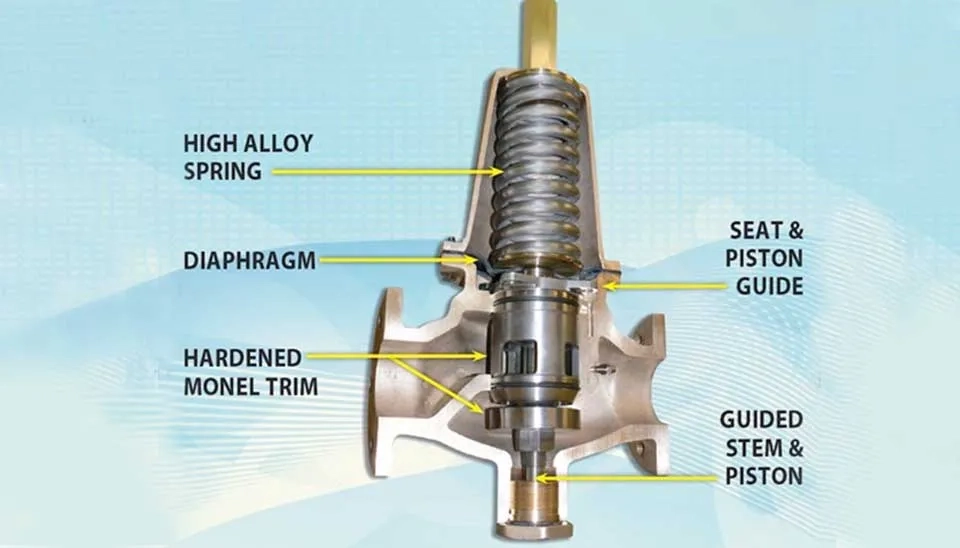
Most of the pressure adjustment mechanisms consist of a spring-loaded valve that can be adjusted to increase tension in the innerspring or loosened to allow water to flow freely. Such an adjustment of spring tension provides the regulator with constant output pressure independent of fluctuating incoming water pressure from the main supply. It also insures against excessive water pressure damage to household appliances and plumbing fixtures, such as faucets, dishwashers, and irrigation systems, through its adjustment mechanism. The diaphragm and the spring are the major components of most water pressure regulators. The diaphragm is a flexible membrane, and it flexes in response to changes in water pressure. So if the regulator experiences water flow, the flow would push it through by flexing the diaphragm. The movement of the diaphragm acts against the spring; this is done via calibration, where the spring has been set against the flex of the diaphragm due to the desired output pressure. The tension in the spring dictates how much the diaphragm will move, thereby controlling the level of pressure. If the pressure exceeds the limit set, then the diaphragm's movement is restricted by the spring; this reduces flow and maintains steady pressure in the downstream pipes.
Fig. 7. Internal components of a water pressure regulator, including the spring, diaphragm, and piston assembly.
1.6. Type of Regulator
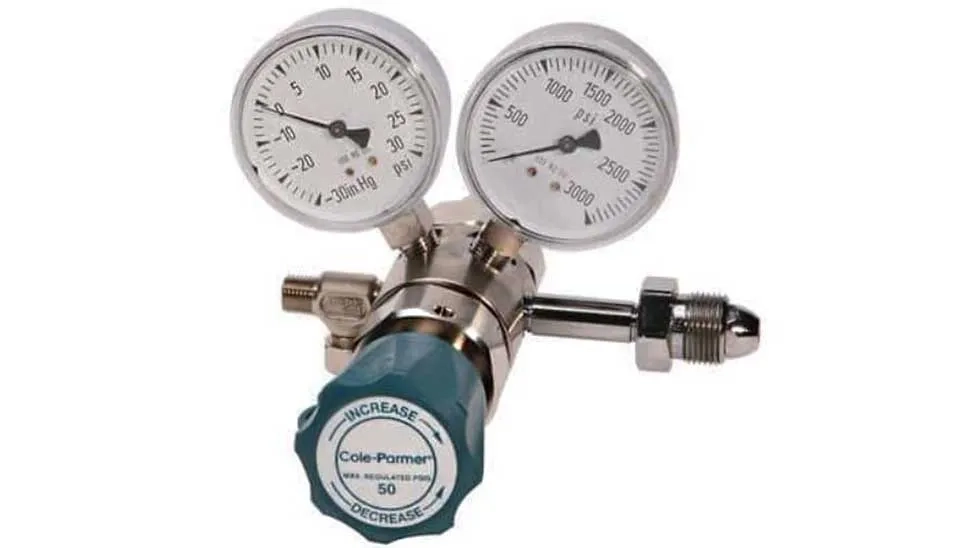
Water pressure regulators come in various types, each designed to address specific pressure control needs in different plumbing systems. Residential and light commercial plumbing systems use single-stage regulators. They were designed to reduce high incoming water pressure to a lower, stable pressure suitable for household use. These regulators operate by adjusting a single valve mechanism to produce a specific output pressure. Two-stage regulators are very applicable where the water pressure coming in usually undergoes serious fluctuations. Unlike single-stage regulators, two-stage regulators have two separate stages of pressure reduction: the first stage to an intermediate pressure and the second stage to the desired output pressure. Such multi-stage regulation can better control pressure fluctuation and is able to maintain a more stable and consistent output pressure. They are very effective in industrial areas, irrigation, and large residential systems where fluctuation in pressure is more prominent.
Fig. 8. Pressure regulator with dual gauges for monitoring inlet and outlet pressure levels.
1.7. Product Ranking
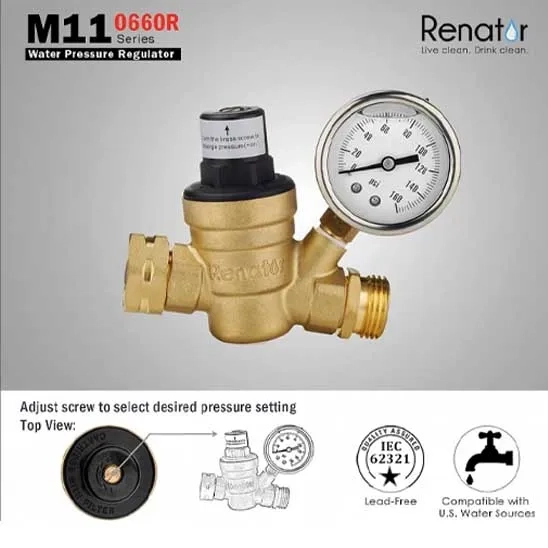
Product ranking is a feature that determines the best product that matches your application. This procedure includes the entered search query, as well as ranking by novelty, profit margins, and product boosting. One of the online platforms that can help you in the process of selecting is Amazon, where you can compare different products and read comments and reviews. In addition to this, read our article, 'Top 10 Lead-Free Water Pressure Regulators (with Gauge).'In this article, products was determined using Bayesian rankings instead of traditional methods. This approach considers both the average rating and the total number of reviews.
Fig. 9. Renator RV Water Pressure Regulator
1.8. Customer Service
Customer service is a crucial aspect when choosing a pressure-reducing valve, as highlighted in this buying guide. A responsive customer service team can greatly enhance the user experience by offering expert guidance on selecting the right flow rate, material, and model based on specific needs. Such assistance ensures that you make an informed decision, helping you choose the best product for your situation. As this buying guide points out, you would rather not invest in a device without manufacturer support, as difficulties may arise during installation, setup, or while using the product. A proactive company will assist you at every step, whether it’s through installation, troubleshooting, or helping with sensor malfunctions. Another point covered in the buying guide is the importance of warranties, as some companies provide free repairs or replacements during the warranty period. A warranty can save you from additional costs if the device fails. The buying guide also emphasizes that companies committed to great customer service will equip their websites with helpful resources, such as manuals and tutorials. Beyond the warranty period, this buying guide recommends seeking companies that continue to offer ongoing support, such as easily accessible spare parts and multiple communication channels like live chat, phone, or email. Furthermore, some companies provide online platforms where users can exchange experiences and discuss real-world issues, which can be incredibly helpful for troubleshooting and gaining insights.
Fig. 10. Customer support plays a key role in choosing a reliable water pressure regulator
1.9. Installation
Installing a water pressure regulator is relatively straightforward, and this buying guide suggests that if you have prior experience, you can do it yourself. The process involves turning off the main water supply, locating the water line where you want to install the regulator, cutting the pipe at the appropriate spot, and then attaching the regulator using threaded couplings. It's important to ensure that the regulator is installed in the correct orientation, as specified in this buying guide. Additionally, using a pressure gauge to test the water pressure will help ensure the regulator is working properly. Once installed and adjusted, the pressure regulator will help keep the water pressure within the desired range, preventing damage to your plumbing system and improving the efficiency of appliances like dishwashers and water heaters. This buying guide also highlights the importance of making sure that the installation meets your specific needs. Properly adjusting the regulator will guarantee that your water pressure is fine-tuned, which is crucial for optimal performance. With the right installation and adjustment, you can ensure the longevity of your plumbing system and appliances. For those who may not feel confident about the installation, this buying guide recommends considering professional help. While installation is generally simple, a professional installer can guarantee that everything is done correctly, avoiding potential issues that might arise from improper setup.
Fig. 11. Installation of a water pressure regulator on a residential plumbing supply line.
2. Assessing Your Specific Needs Before Purchase
Before buying a water pressure regulator, it's essential to carefully consider your unique needs to ensure the device meets your expectations. This process should involve evaluating what you require and establishing a reasonable budget. This buying guide can help you navigate through these considerations, ensuring you make a well-informed choice that aligns with your intended purpose and delivers the best value.
2.1. Calculate Your Requirements
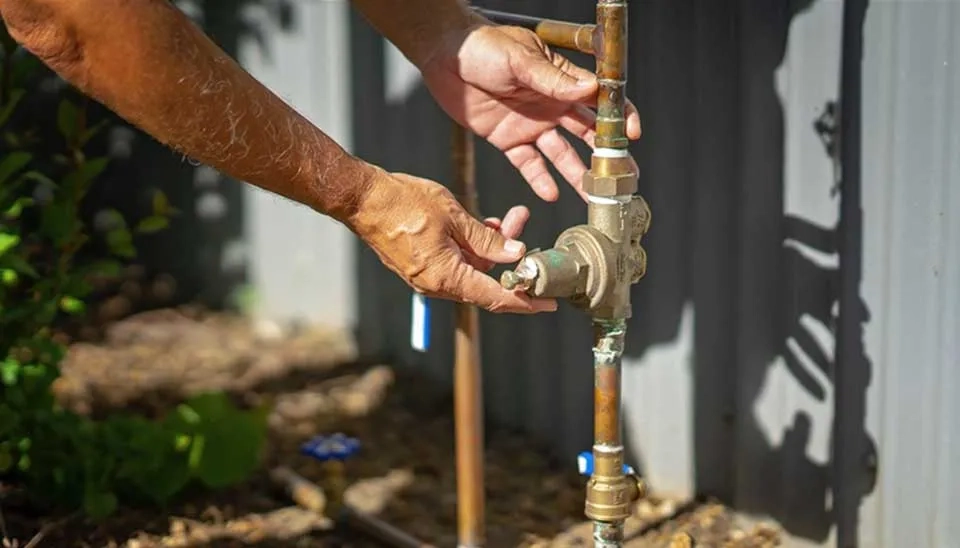
Before buying a water pressure regulator, you need to calculate your requirements. It will help you in selecting the optimum choice and save you from losing money. To determine your needs, measure your current water pressure with a pressure gauge attached to an outdoor hose faucet. If it's over 80 PSI, you want a regulator that will bring it down to your preferred range of, say, 40-60 PSI; considering factors such as your plumbing system's age, number of fixtures, and water usage patterns when choosing the appropriate pressure setting on the regulator. To calculate your requirement, first attach a pressure gauge to an outdoor hose faucet, turn on the water, and record the pressure reading. Test at different times of day to see if the pressure varies significantly. Most residential systems function well with a pressure between 40-60 PSI. Finally, choose a pressure regulator with a setting that can reduce your current pressure to within the desired range.
Fig. 12. Adjusting a water pressure regulator to achieve the desired pressure range and flow performance.
2.2. Set Your Budget
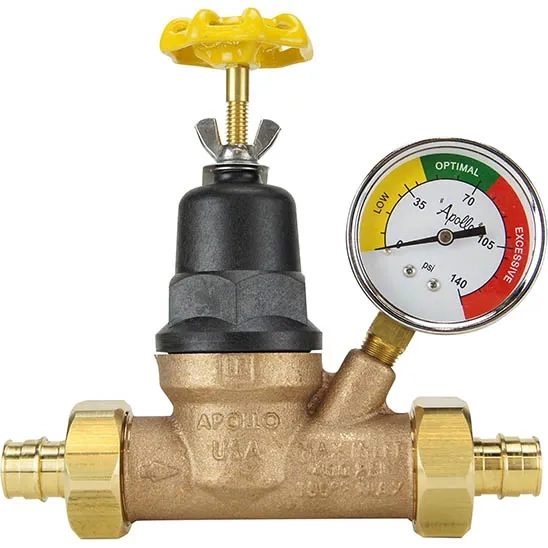
The price of the water pressure regulator is vital, which can vary significantly based on elements like type, material, and brand. By determining the budget, you can narrow down your options. They are typically under $100; most of them range from $20 to $40. These are for common use for home plumbing systems with a limited pressure range. They generally come with basic features, such as a fixed or adjustable pressure range (usually between 40 and 80 psi), and they are sufficient for most home applications. For example, the RVMATE RV ($21.99) water regulator is a brass lead-free with an adjustable valve and inlet screen filters. It helps you protect your RV by regulating the water pressure to prevent damage from high pressure. This regulator has an adjustable design with a gauge displaying up to 160 PSI. However, for a high-end regulator with advanced features—for example, a higher pressure range, a built-in filter, or premium materials—the cost may range from $50 to $100 or even more. For example, ApolloPEX 3/4" is cost $73, which is factory-set at 50 psi and adjustable from 15 to 75 psi. These may be suited to properties with special requirements, such as fluctuating water pressure, large homes, or those requiring frequent adjustments.
Fig. 14. Adjustable water pressure regulator displaying low, optimal, and excessive pressure zones.
2.3. Evaluate the Existing System
The water pressure regulator is among the most integral parts of your plumbing system, and buying should always be preceded by an assessment of the existing system for compatibility and integration requirements. Such an assessment would ensure that the regulator works in good consonance with the present monitoring system and limits unnecessary problems either in the installation or its use. The diameter of the plumbing system should correspond to the size of a pressure-reducing valve. The most common sizes of the regulators and larger, depending on the capacity of flow it is supposed to handle, are ½ inch, ¾ inch, 1 inch. Leaks and pressure loss can be avoided if a regulator that matches with the existing pipe size is selected. Another factor is the material compatibility. They come in brass, stainless steel, or plastic, each fitted for specific types of pipes. As such, if your home plumbing system relies on PVC or CPVC pipe, you need to have a regulator with connections that can fit accordingly. Concerning the metal pipes, regulators are usually fitted with corresponding threaded fittings or adaptors, like copper or galvanized steel.
3. Mistakes to Avoid When Choosing Water Pressure Regulator
When choosing a water pressure regulator, there are certain key factors that need to be known to avoid any mistakes. One of the most common mistakes is to overlook the pressure range. Water pressure can vary significantly depending on where you reside, and users need to understand the concept of the water pressure requirement for their houses or buildings. Because If a regulator is less than what a given system actually requires, it can lead to low water circulation, overload on plumbing, or damage to sensitive appliances that require water, like dishwashers and water heaters.
Pressure regulators come in a wide range of sizes, and choosing an incorrect size gives way to possible leaks or other issues with the regulation of pressure. For instance, a too-large pressure regulator might just not fit on the space where it was supposed to be installed, while a too-small one could eventually lead to either excessive wear or its failure in regulating the pressure well. Another critical consideration is the water flow rate that your regulator can handle—once again, the quantity it can move in a measured amount of time, measured frequently in gallons or liters per minute. If that is not a factor in how much the requirements of your flow rate may reach, your entire system will reduce the pressure.
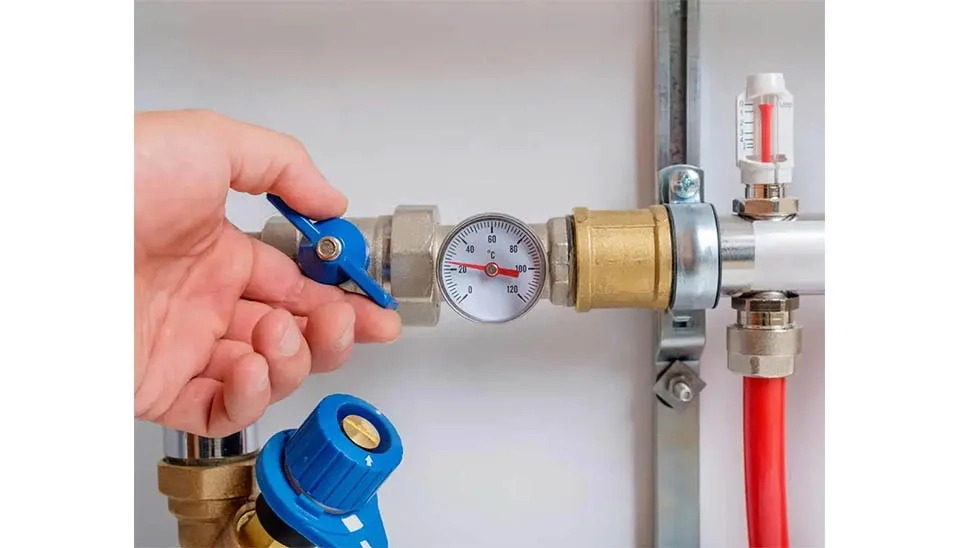
Fig. 15. Checking household water pressure before selecting a water pressure regulator.
4. Checklist for Choosing the Best Water Pressure Regulator
Have you recognized the pressure range in your home?
Have you identified the proper material for your consumption? (e.g., bronze, brass, stainless steel, etc.)
Is it compatible with your current system?
Does the regulator offer adjustable pressure settings?
Is it designed for easy maintenance? (e.g., easy to clean, maintain, etc.)
Is the design of the regulator compact and unobtrusive? e.g., compact design, discrete design, etc.)
Does the cost correlate with your budget while maintaining the overall requirements and keeping the right balance between expense, features, and durability over time?
Have you searched the customer service and availability options? (e.g., warranty, professional assistance, return policy, rapid delivery, packaging, free monitoring service, and responsiveness)
Are the materials durable and aligned with the environment in which you intend to use the products?
Does the meter you select require installation, initial setup, or maintenance needs?
Have you searched product rankings and reviews to ensure reliability? (e.g.,
5. Where to Buy Water Pressure Regulator
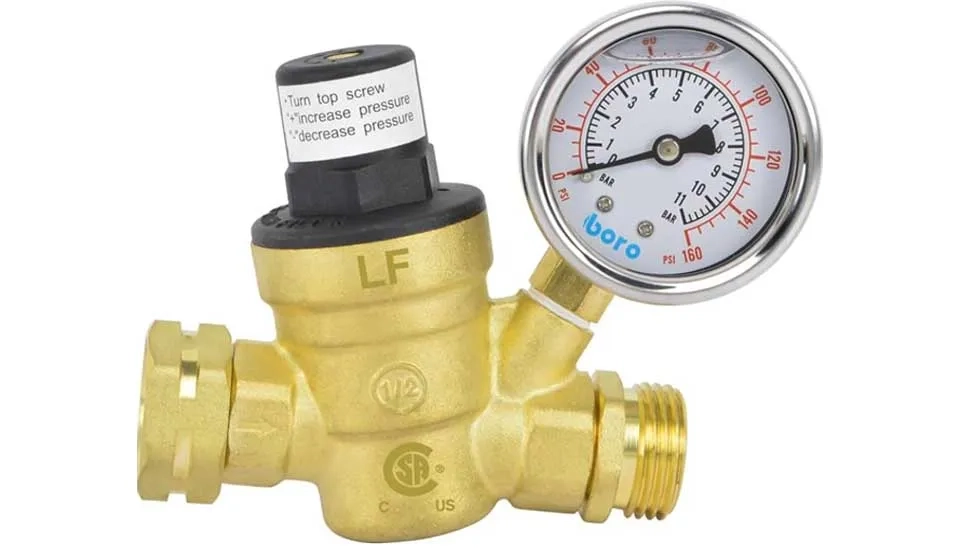
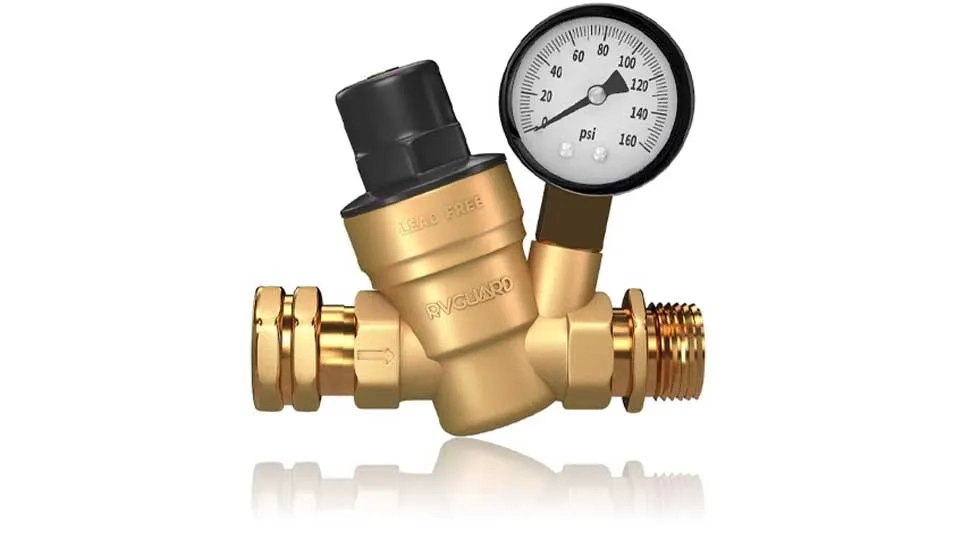
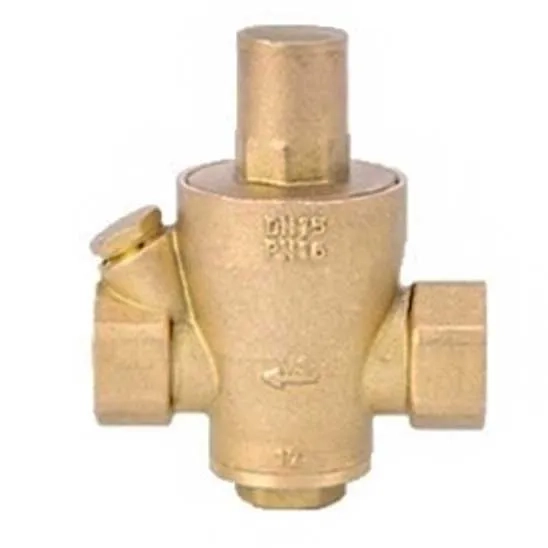
Presently, many companies are marketing water pressure regulators. For added experience, try picking a reputable company in this field. Companies like Renator, RVGUARD, Twinkle Star, and Camco are well-liked for the manufacturing of water pressure regulators by providing extended warranties. Amazon is one of the best sites that provides a wide variety of water pressure regulators along with detailed customer reviews, ratings, and comparisons. It makes it relatively easy for customers to choose the performance and quality of each product on the basis of the review left by real users. Amazon provides a seamless buying experience, good shipping, and good customer service, thus becoming one of the most comfortable and reliable sites. If it is a bulk purchase or for competitive rates, then Alibaba is another trustworthy platform, especially for business organizations to place wholesale purchases or manufacturer-direct purchases. Alibaba's product offerings, supplier pool, and competitive rates make it a go-to for large quantity orders, especially when seeking customization options.
6. Conclusion
This buying guide presents a comprehensive guide on how to buy water pressure regulators, including features such as range of pressure, hardness, and material, measurement accuracy, among others. This manual is ideal for homeowners who wish to make the optimum purchase that fits their needs. This buying guide also includes a list of common mistakes to avoid before your purchase. This extensive guide includes a wide range of pressure-reducing valves, from budget-friendly ones to industrial and smart-based ones. We have, at the end, provided a checklist that individuals can use prior to buying a water pressure regulator to ensure they check each and every detail so that they can make the best decision for themselves. With this extensive buying guide, consumers can select a device that fits their needs and has provisions for future needs, ensuring proper water quality and perhaps saving maintenance and money.










Comments
No comments yet
Be the first to comment
Share your thoughts and start the conversation.