A Brief View of Water Softener Systems: Types and Definition
Did you know that over 85% of American households have hard water?
AAlex Whitmore
· 15 min read· 76 views
Did you know that over 85% of American households have hard water?
Quick answers to common questions.
Did you know that over 85% of American households have hard water? (Heidekamp and Lemley, 2005) If you're one of the millions of homeowners dealing with the negative effects of hard water, such as clogged pipes, stained fixtures, and dry skin and hair, then a water softener system for your home may be the solution you've been searching for. We depend on water as a vital resource for various activities, including drinking, cooking, washing, and cleaning (Hossai, 2015). Although water quality can vary, hard water is a common problem experienced by many people (Singh et al. 2020). High concentrations of minerals like calcium and magnesium in hard water can result in issues like clogged pipes, shorter appliance lifespans, and dry skin and hair (TOWN, 2016).
Many homes choose to install water softener systems to address the problems that hard water causes (Godskesen et al. 2012 ; Tang et al. 2019). You might find the solution you need in a water softener system. The market has so many options that it can be overwhelming to choose the right one for your household. We've put together a comprehensive guide to make navigating water softener systems easier for you. We'll discuss everything about water softening systems, the advantages of a water softener system, and factors to consider when choosing one in this guide.
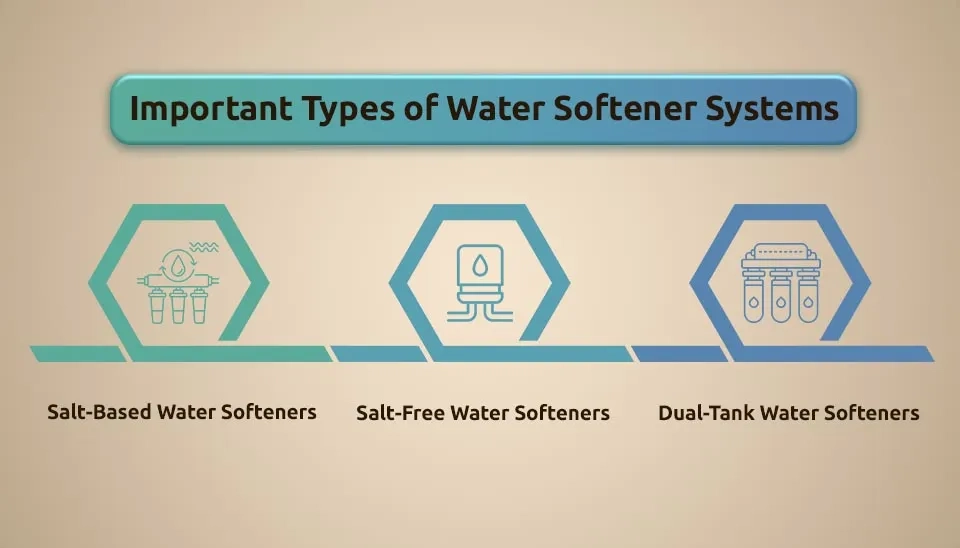
Fig. 1. Exploring the 3 Main Types of Water Softener Systems
Water softener systems are devices designed to remove the minerals responsible for water hardness, primarily calcium and magnesium ions (Kozisek, 2005; World Health Organization, 2010). These systems work through a process called ion exchange, where the hard minerals are replaced with sodium or potassium ions. By removing the hardness minerals, water softeners ensure that the water flowing through your faucets and appliances is free from the negative effects of hard water (Wilson et al. 1999).
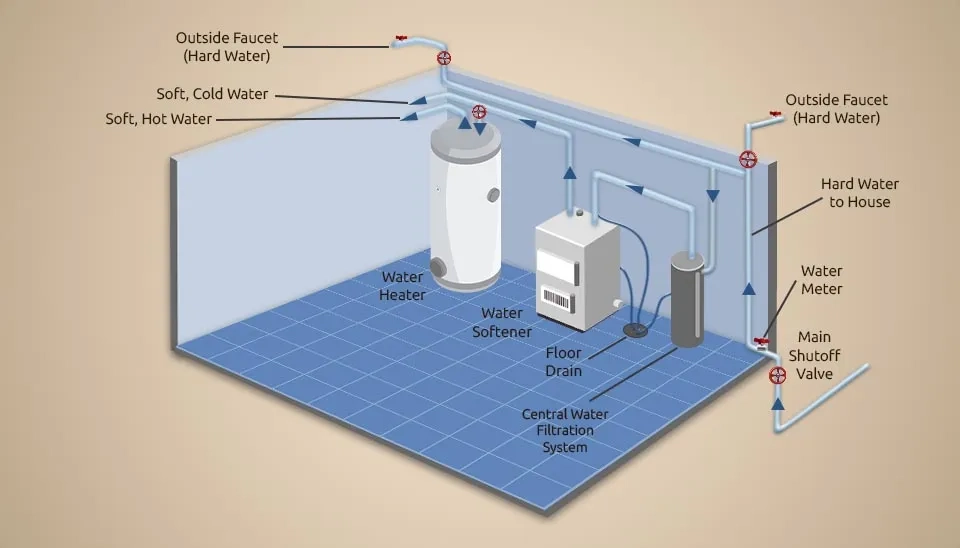
Fig. 2. Key components of a salt-based water softener system
Before investigating additional water softener systems, let's first understand the effects of hard water on your daily life. Hard water can lead to:
Fig. 3. The Effects of Hard Water
1. Clogging and scaling: The minerals present in hard water can build up inside pipes, water heaters, and appliances, leading to reduced water flow, inefficiency, and damage (Gabrielli et al. 2006).
2. Stained fixtures and dishes: Hard water can stain dishes and fixtures, making it difficult to clean and maintain your sinks, faucets, dishes, and glassware (Seelig et al. 1999; Scherer, T. 2019).
3. Dry skin and hair: Minerals in hard water can deplete the natural oils in your skin and hair, leaving them dry, itchy, and prone to damage (Naughty, 2021; Dzyazko, 2023).
4. Reduced soap effectiveness: Hard water reacts with soap, reducing its lathering and cleaning capabilities. This phenomenon can result in the need for more soap and detergents to achieve the desired cleaning results (Tang et al. 2021).
5. Dull and faded clothing: Continuous washing with hard water can cause clothes to lose their brightness and become stiff over time.
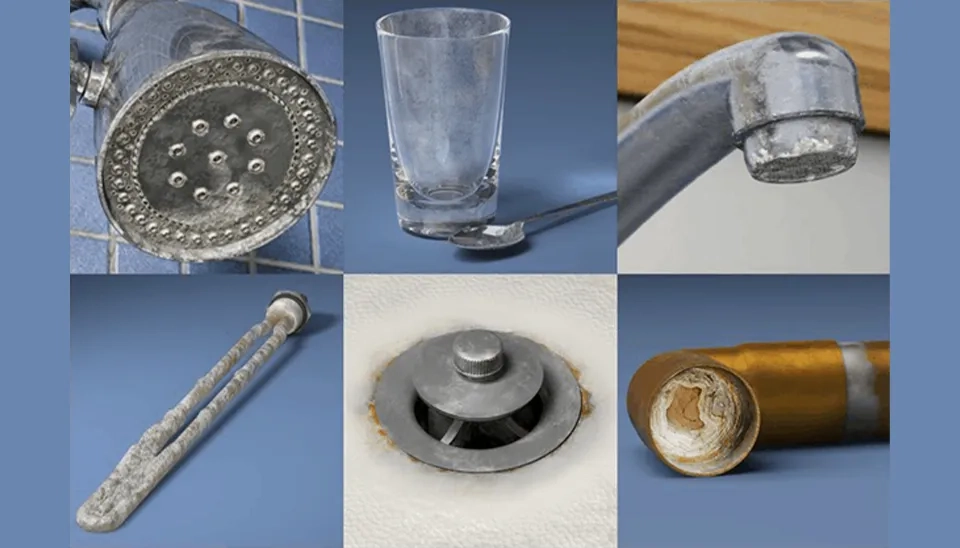
Fig. 3. The Negative Effects of Hard Water on Household Fixtures
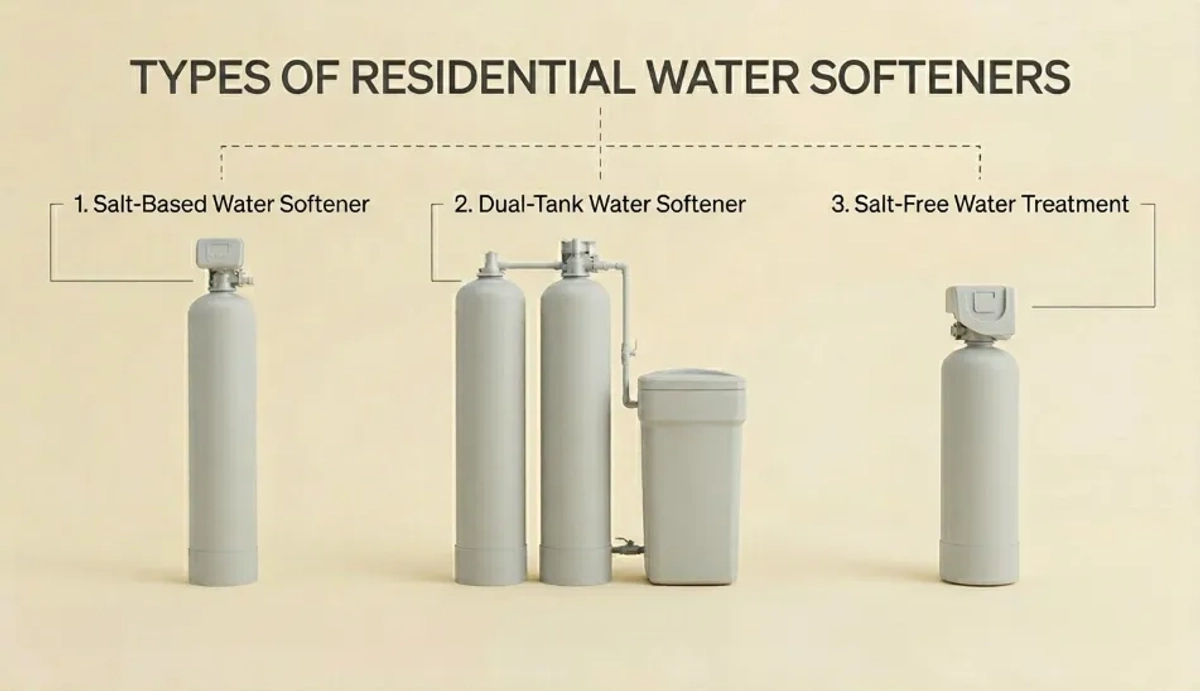
There are different types of water softener systems available, each with its advantages and considerations (Abramova et al. 2021; Sambursky et al. 2022). The most common types include
Salt-based water softeners, also known as ion exchange systems, are the traditional and most effective type of water softeners. These systems use resin beads to exchange hardness minerals for sodium or potassium ions. They require regular replenishment of salt or potassium pellets to continue the ion exchange process.
Salt-based water softeners effectively remove hardness minerals and noticeably improve water quality. They do, however, slightly increase the sodium or potassium content of the water, which may be problematic for people on strict diets or with certain medical conditions (Cutler et al. 2019).
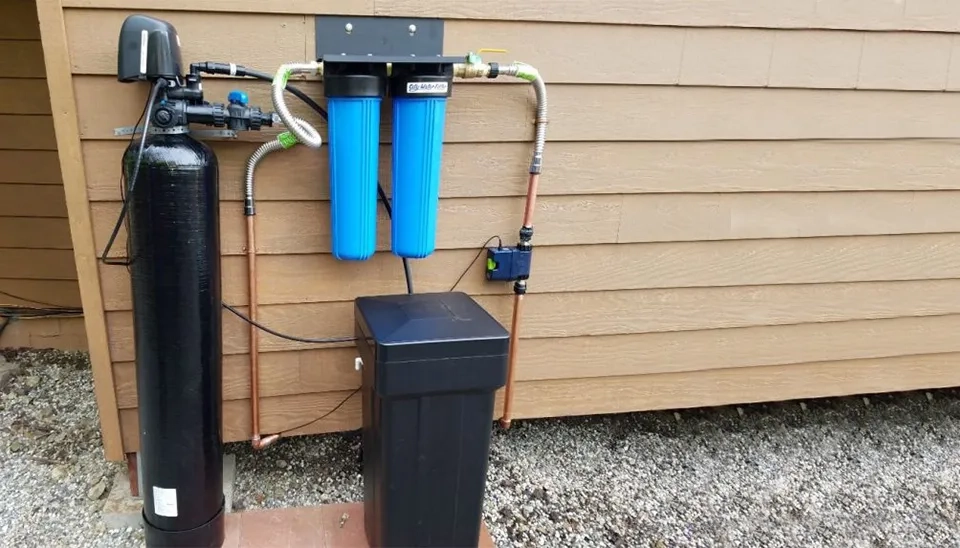
Fig. 4. Salt-based water softeners and their multi-stage filtration setup
Descalers and conditioners are other terms for salt-free water softeners, which operate differently from salt-based systems. To stop the minerals from forming scale and adhering to surfaces, they modify their chemical structure rather than removing them. These systems are a beneficial choice for those seeking a salt substitute or who have health issues related to sodium intake. However, salt-free water softeners do not actually remove the minerals from the water; they simply prevent scale buildup. As a result, some hardness may still be present in the water (Custers et al., 2014).
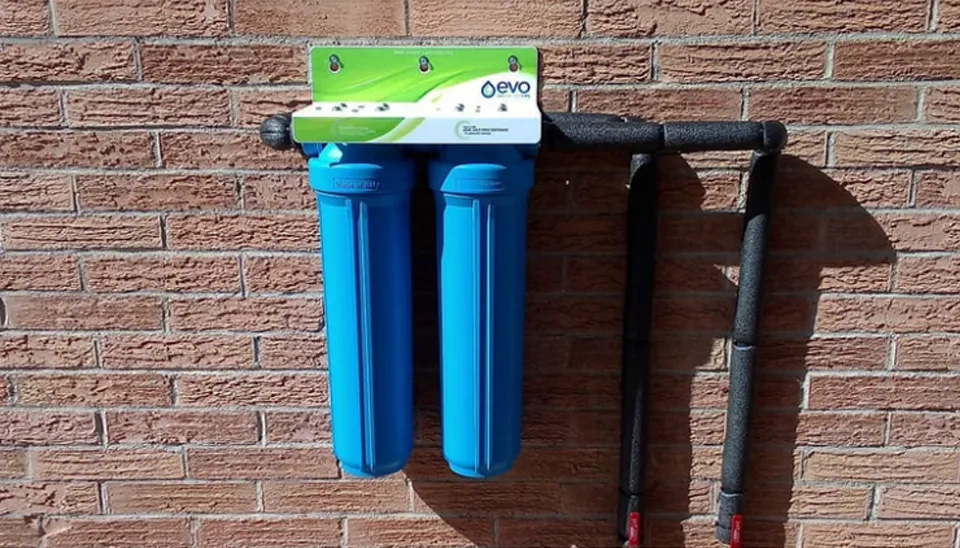
Fig. 5. Salt-free water softeners and their descaling process
Dual-tank water softeners feature two resin tanks and a control valve that alternates between them. This design allows for a continuous soft water supply even during the regeneration process. While one tank is in use, the other tank undergoes regeneration, ensuring uninterrupted water flow (Rockafellow Baldoni, 2018).
Dual-tank water softeners are appropriate for homes that use a lot of water or where having a steady supply of soft water is important. However, they frequently take up more room to install and are bigger in size.
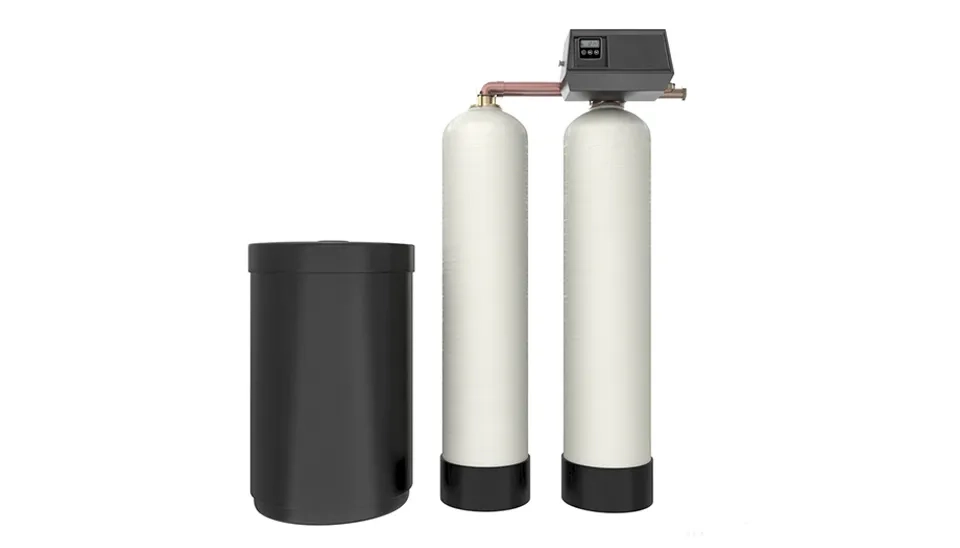
Fig. 6. Dual-tank water softeners for continuous soft water
You should consider several things while selecting the best water softening system for your home. The amount of water that can be softened, the flow rate, the regeneration technique, and the installation and maintenance requirements are some of these factors (Gryta, 2010; Luan et al., 2019). We provide more specific information below.
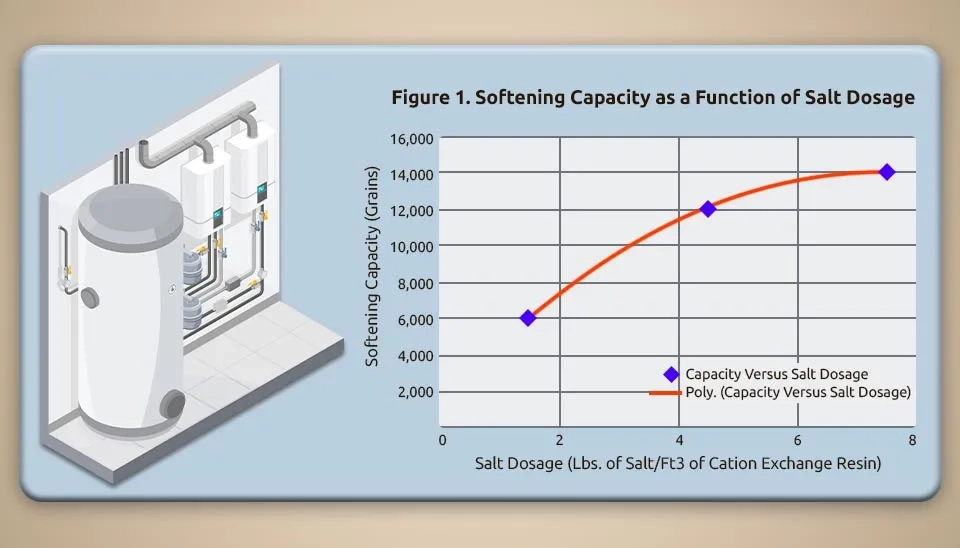
Fig. 7. Understanding water softening capacity for your home
The water softening capacity refers to the amount of hardness minerals a system can effectively remove before requiring regeneration. Grains Per Gallon (GPG) or Liters Per Minute (LPM) are the most common measurement units in this field. Depending on the water hardness and the size of your family, the optimal capacity for your filtration would change. According to a formula, larger families or homes with significant water usage should use higher-capacity systems.
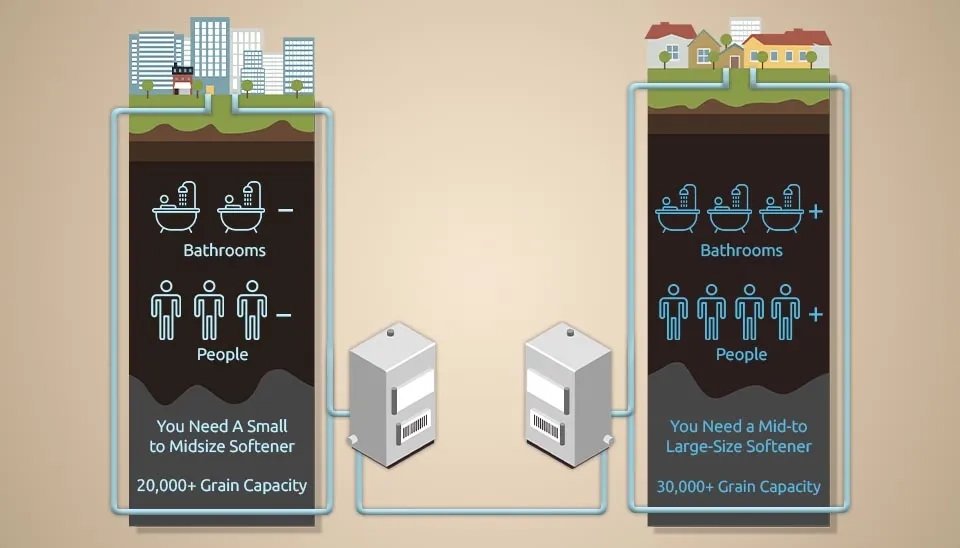
Fig. 8. Comparing water softening capacity across various models
How much water a water softener system can treat per minute depends on its flow rate. It's crucial to pick a system with a flow rate that can handle your household's needs. Low water pressure and insufficient softening might be caused by inadequate flow rate (Alghamdi et al. 2019).
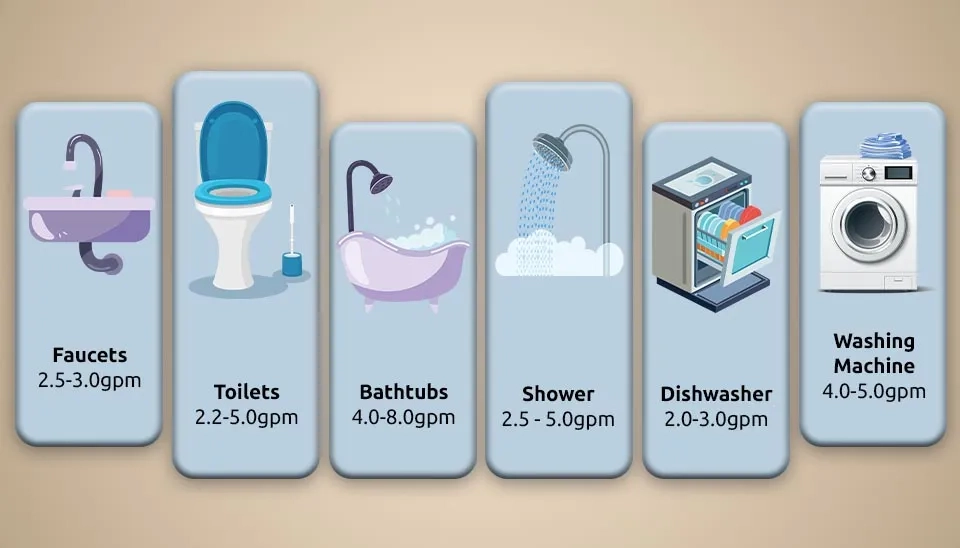
Fig. 9. Understanding water softener system flow rate and pressure
Regeneration is the procedure a water softener uses to clean and re-energize the resin beads so they can keep efficiently eliminating hardness minerals. There are various regeneration techniques, including demand meters and time-initiated regeneration. Since they regenerate based on real water usage rather than a predetermined schedule, meter-initiated and demand-initiated regeneration are typically more efficient and economical (Pawlak et al. 2023).
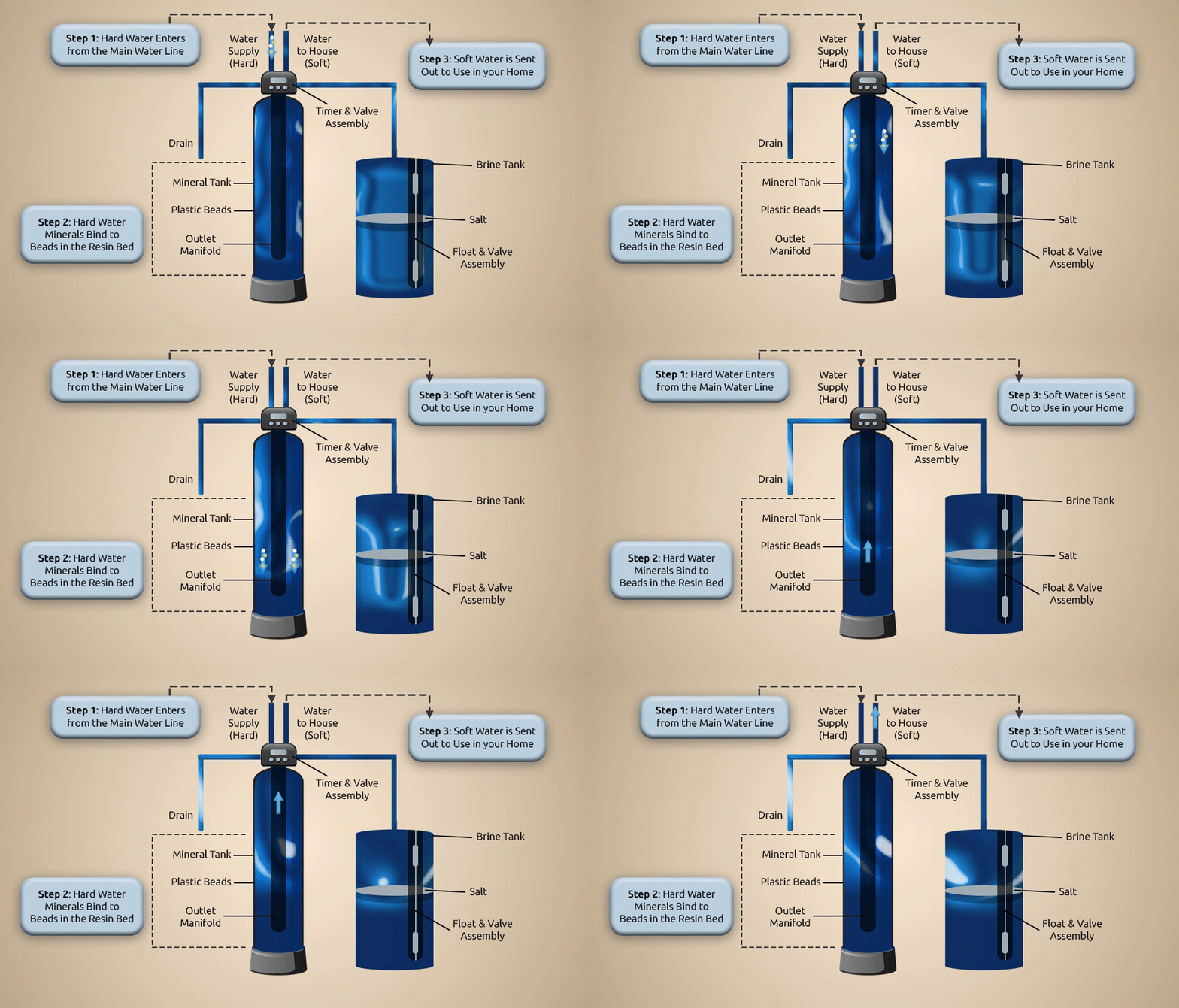
Fig. 10. The water softener regeneration procedure explained
Consider the installation requirements and maintenance needs of the water softener system. Some systems require professional installation, while others can be installed as DIY projects. Additionally, factor in the maintenance tasks such as salt or potassium replenishment, resin bed cleaning, and control valve maintenance (Tang et al., 2019). Schedule the cleaning. Certain modern water softeners can operate without cleaning for 5 to 10 years. You can clean them only if your water has turned hard. Older models (especially electric ones) can benefit from annual cleaning practices. You can have a checklist for your maintenance time:
Empty the tank. For this, use the bypass valve to shut off water intake. You can also siphon or dump all water out of the tank, then dump out the salt and throw it away. Keep the waste away from your garden, as salt is harmful for plants
Clean the tank. You can use a soft brush and a solution of water and bleach if it is necessary to clean the inside of the tank.
Refill the tank. Then refill the tank with water and add new salt to your system.
Check the salt level. Make sure the salt level is at least 1/4 full in your package.
Check the water level. The water level should be above the salt level.
Check the brine line. You should check that the brine line is not clogged.
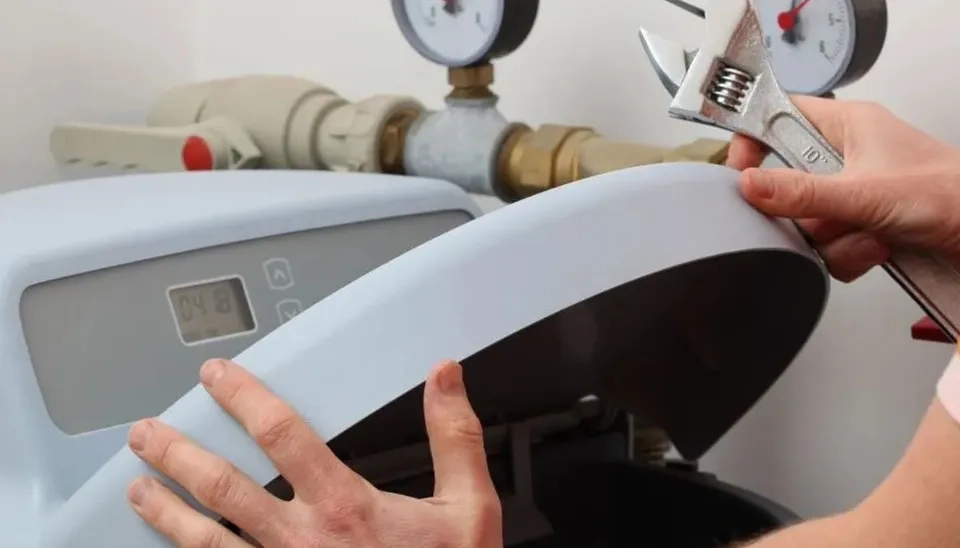
Fig. 11. Step-by-step installing water softener system guide
In conclusion, choosing the best water softener system for your household can be a daunting task, given the numerous options available in the market. However, by considering factors such as grain capacity, maximum hardness removal, regeneration cycle, ideal household size, and price, you can narrow down your options and make an informed decision. The Amazon ranking list and customer reviews can also offer helpful details about the performance and reliability of different water softener systems. Ultimately, investing in a high-quality water softener system can help Enhance the quality of your water supply, safeguard your appliances and plumbing, and ultimately save money over time. Say goodbye to the troubles of hard water and enjoy the benefits of soft, quality water with a reliable water softener system.
Keep reading


Comments
No comments yet
Be the first to comment
Share your thoughts and start the conversation.