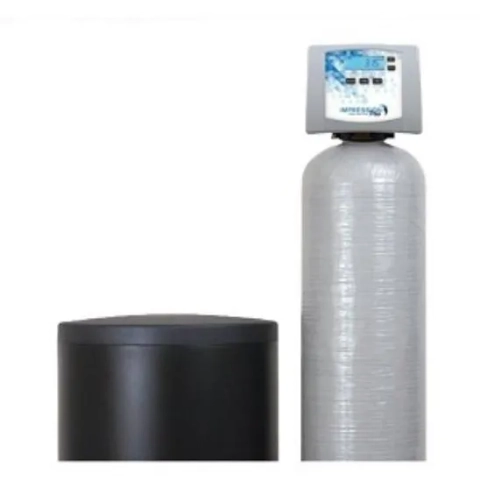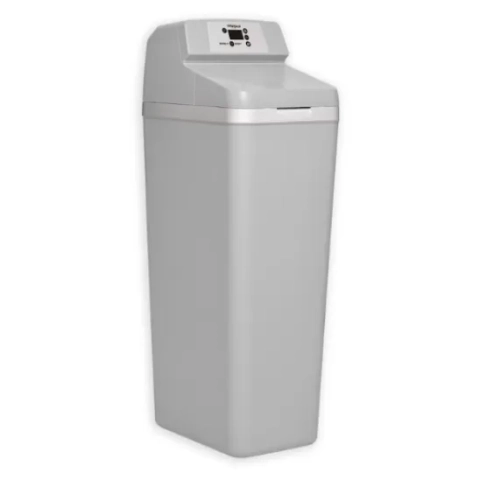
Water Softener
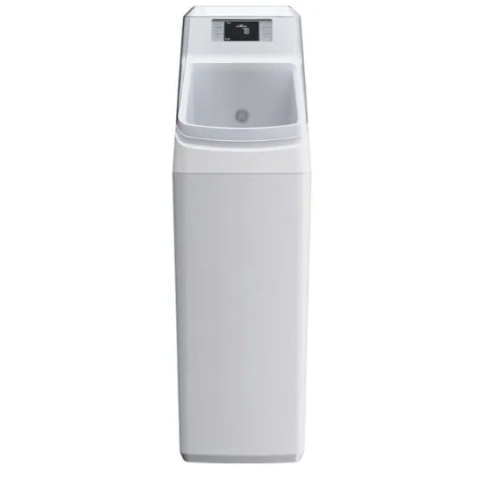
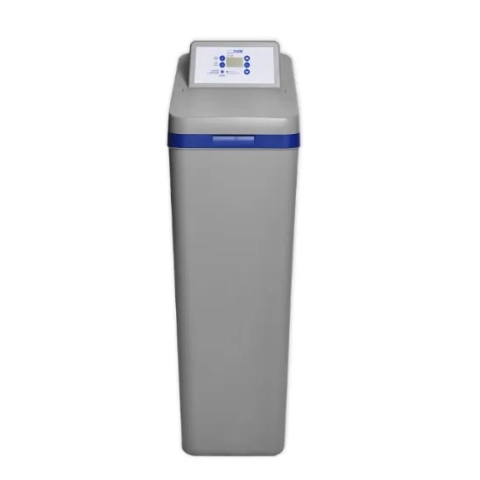
Whirlpool 33000
2.0/10
No Waterlyst user ratings yet. The Waterlyst Score combines ratings published on other sites with Waterlyst user ratings.
Contact the seller for pricing.
Rate this product
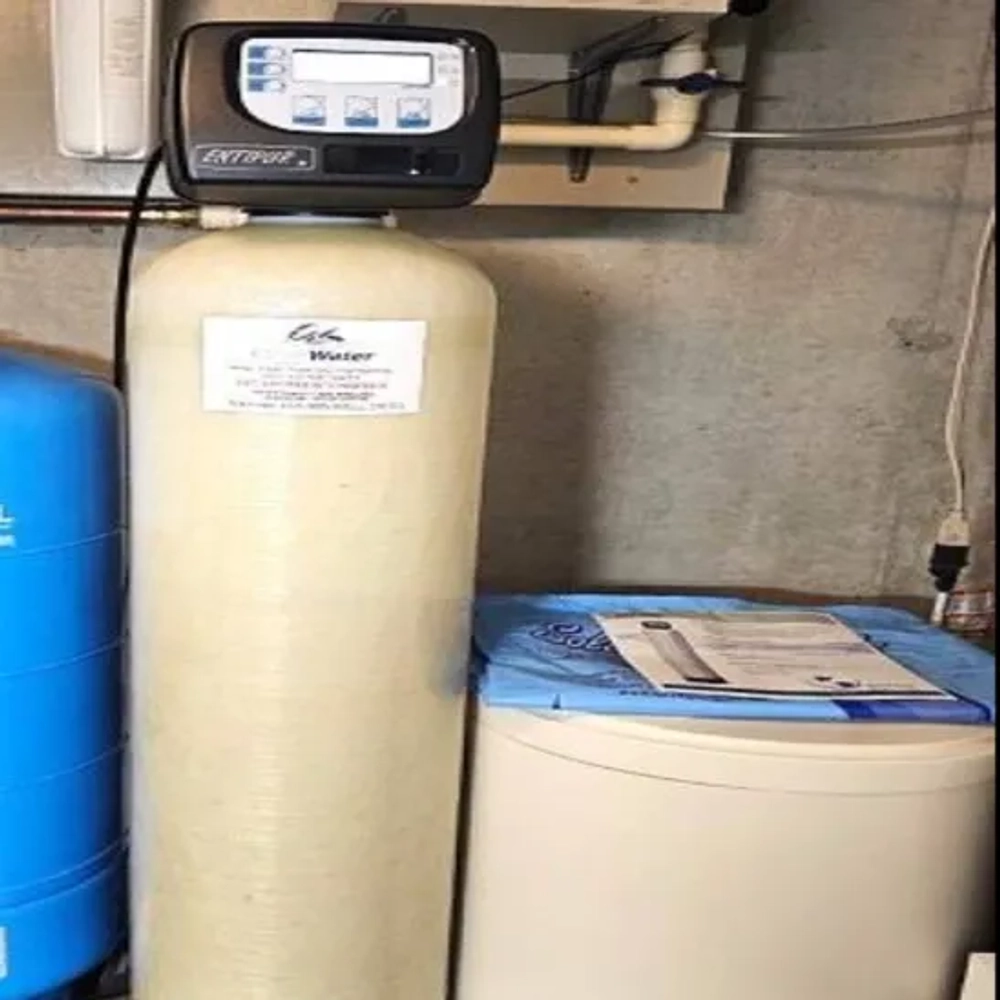
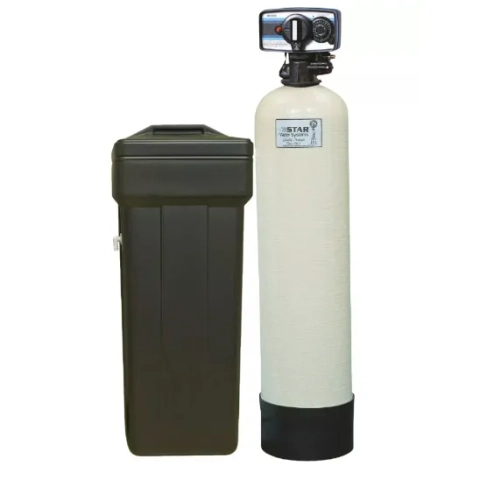
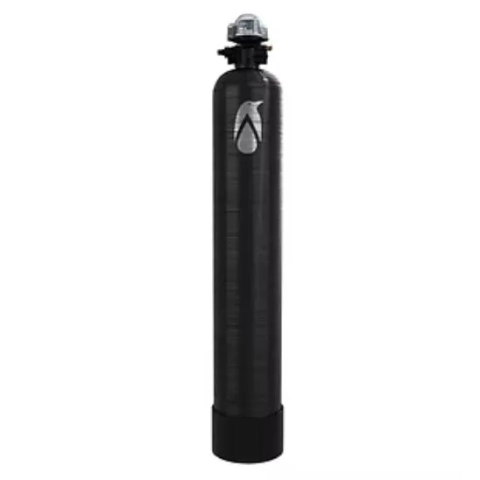
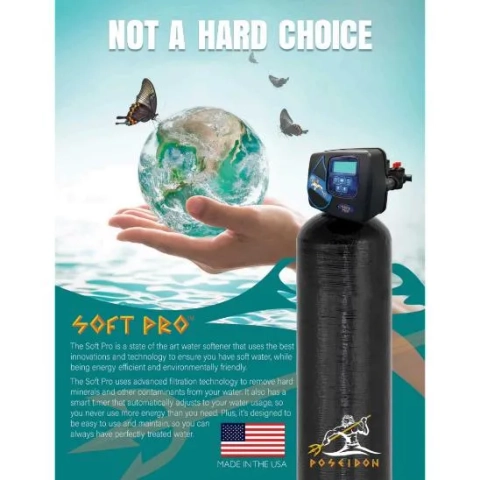
Clear Water Pump & Well Service | Advanced Residential Water Softening & Conditioning If your home in the Greater Boston area, Massachusetts, or Rhode Island relies on a private well grid or a local municipal supply, dissolved geological minerals are likely a constant, hidden tax on your property. High concentrations of calcium and magnesium saturate regional water sources. Left unmanaged, these elements precipitate into an aggressive, rock-like limescale that chokes pipe diameters, drops system line pressure, and destroys water heater elements. At Clear Water Pump & Well Service, we bring over 15 years of dedicated field operations to engineering customized water softening networks. We don't believe in a one-size-fits-all approach; instead, we analyze your household's water source, peak usage demands, and structural goals to design an absolute mineral barrier that protects your plumbing, extends appliance lifespans, and elevates your family's quality of life. The Reality of Hard Water: Why Mitigation Matters While hard water is generally safe to drink, its chemical composition actively degrades domestic infrastructure. Integrating a professional conditioning system intercepts raw water at your point of entry, reversing a wide range of costly structural and lifestyle issues: Protects Major Capital Assets: Hard water scale acts as an insulating blanket over heating elements. Softening your water keeps elements pristine, which reduces monthly energy heating costs and ensures appliances like tankless water heaters, boilers, washing machines, and dishwashers last up to one-third longer. Stops Plumbing Degradation: Halts the crystallization of rock-like limescale inside copper and PEX lines, preventing restricted flow rates, internal pipe corrosion, and unexpected pinhole leaks. Maximizes Detergent Efficiency: Hard minerals neutralize cleaning agents, forming a sticky scum. Conditioned water allows soaps, shampoos, and laundry detergents to lather perfectly, eliminating bathroom soap scum and allowing you to cut product consumption by up to 50%. Restores Personal Comfort: Eliminates the harsh mineral abrasion that strips natural oils from your body, leaving hair smoother and skin thoroughly hydrated while rendering laundry fabrics noticeably softer. Salt-Based Water Softeners The Process: These systems utilize true ion exchange technology. Incoming water passes through a fiberglass mineral tank packed with negatively charged resin beads. The beads capture positively charged calcium and magnesium ions, exchanging them for minor sodium or potassium ions to extract hardness completely. Best Suited For: Homes facing severe mineral hardness thresholds, deep well sources, or properties where dissolved iron and manganese require concurrent removal. Maintenance: Requires periodic salt pellet refills in a separate brine tank. Our systems utilize intelligent, meter-driven digital valves that track real-time gallon usage, regenerating only when necessary to minimize salt and wastewater overhead. Salt-Free Water Conditioners The Process: These systems utilize physical conditioning via Template Assisted Crystallization (TAC) or Nucleation Assisted Crystallization (NAC). Rather than stripping the minerals out, the specialized media alters the chemical structure of the calcium and magnesium ions, converting them into inert, microscopic crystals that cannot bind to metal lines or heating elements. Best Suited For: Eco-conscious households, strict municipal discharge zones, or properties with moderate hardness profiles that want to avoid handling salt bags. Maintenance: Ultra-low maintenance profile with zero electrical requirements, zero salt refills, and zero wastewater runoff. Water Softener FAQs & Common Industry Myths Myth 1: “Will soft water make my drinking supply taste salty?” The Reality: No. Properly engineered and calibrated salt-based softeners utilize salt strictly to clean and recharge the resin beads during self-cleaning cycles. The brine solution is completely flushed out to a drain before the system returns to service, leaving no noticeable salt taste in your drinking water. Myth 2: “Are water softeners bad for the New England environment?” The Reality: Not necessarily. While older, calendar-clock softeners wasted water and salt, our modern systems feature high-efficiency microprocessors that regenerate only on demand. For properties requiring zero-discharge footprints, our salt-free catalytic conditioners offer a completely eco-friendly alternative. Myth 3: “Do I really need a softener if I already have a whole-house water filter?” The Reality: Yes, if you have hard water. Standard sediment and carbon filters are designed to capture physical particulates, chemical chlorine, and odors; they do not alter dissolved mineral hardness. For complete water optimization, many homeowners benefit from a multi-stage approach that pairs a filtration barrier with a dedicated softener.
-6a9ffc82fd9a2fc1cf0be021?w=480&h=480)