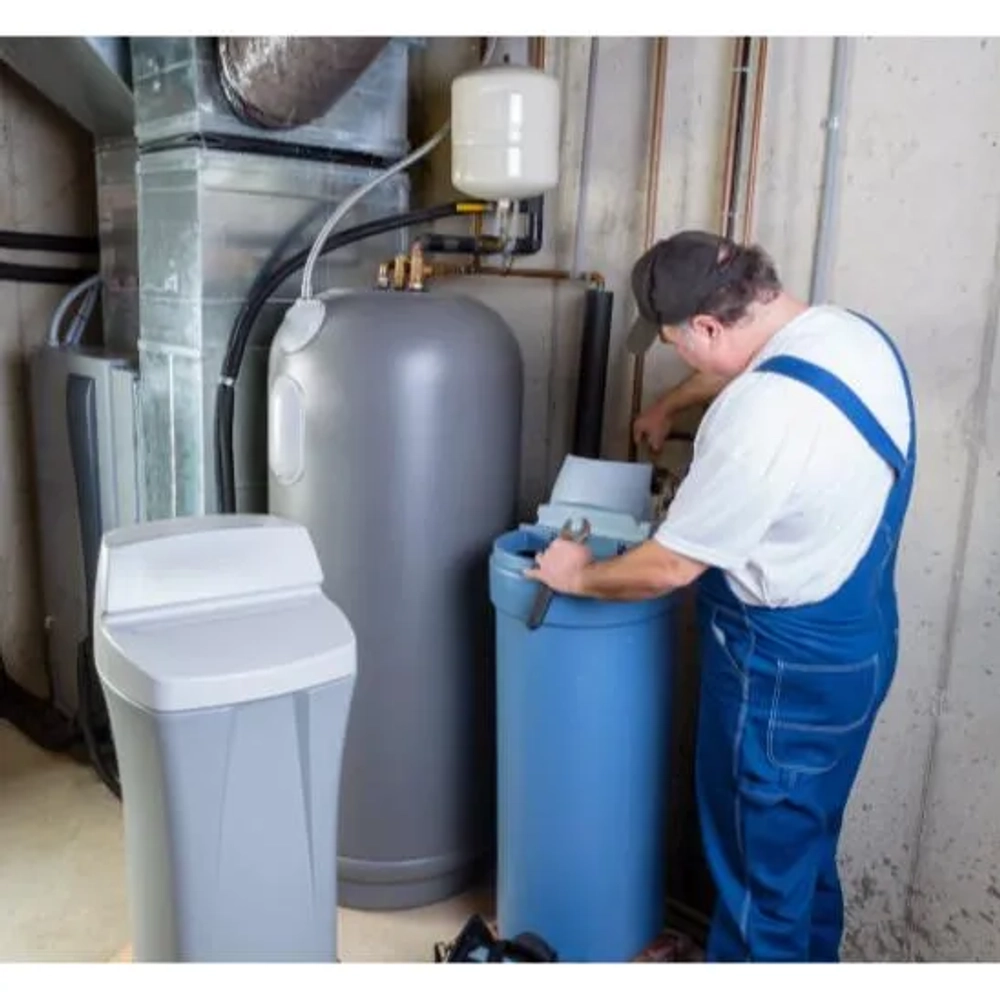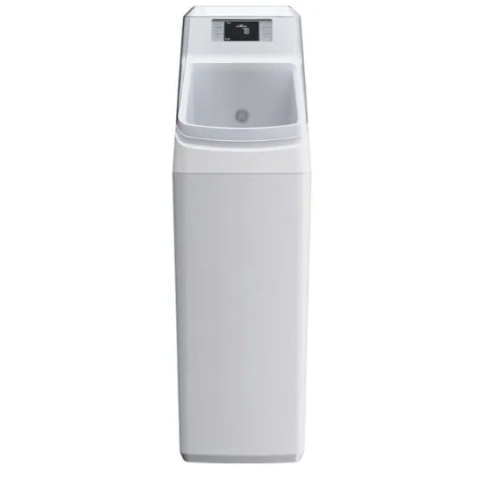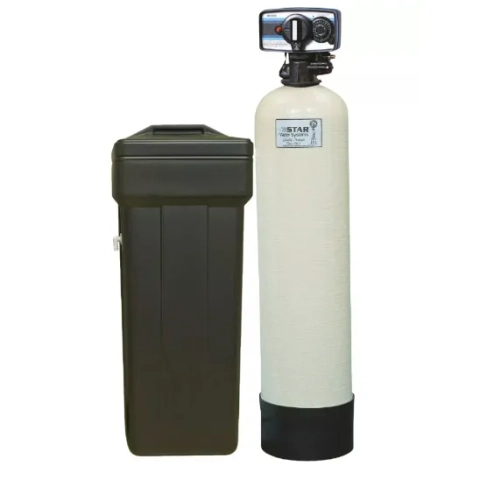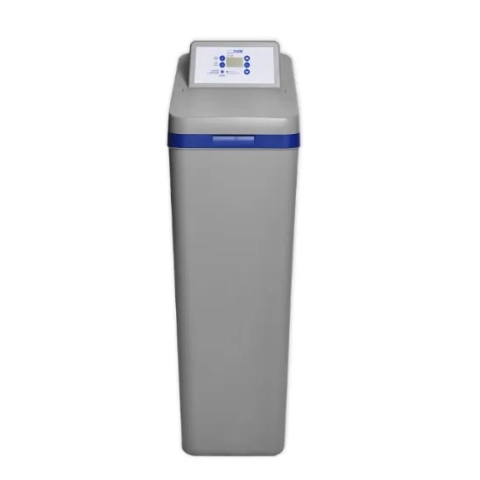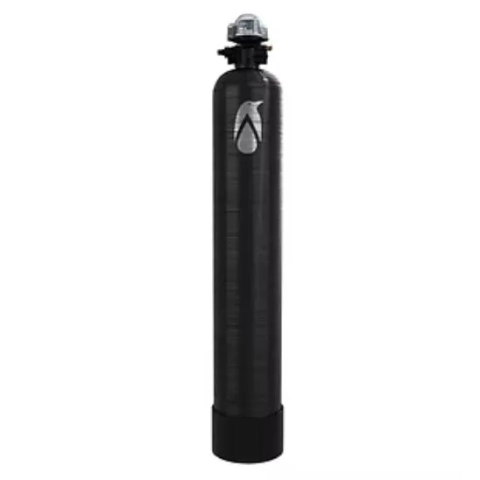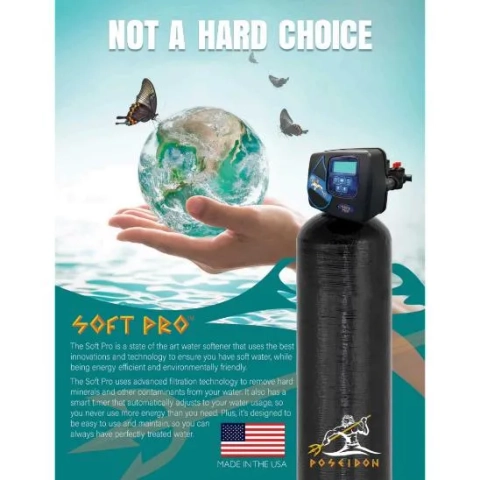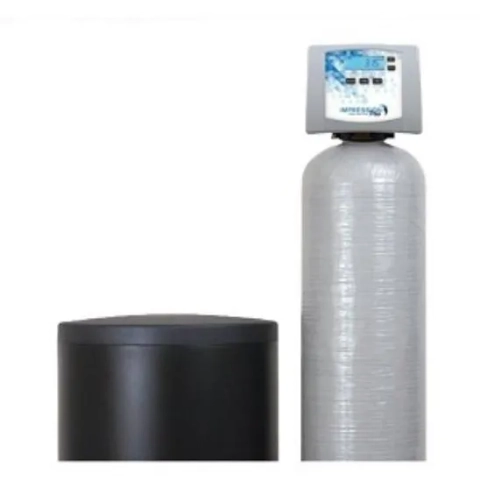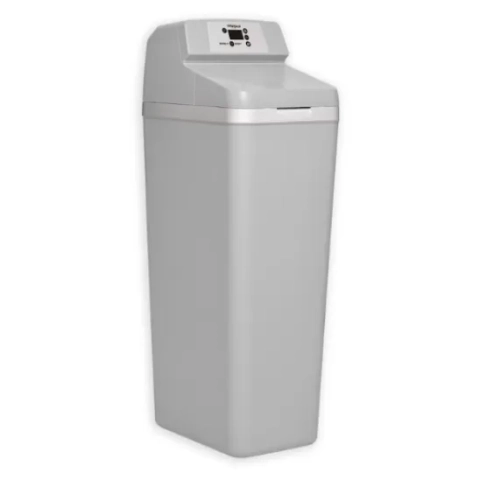
Improving your home’s water quality can make a noticeable difference in your everyday life. Hard water, which contains high levels of minerals like calcium and magnesium, can create several problems, including dry skin, soap residue, reduced appliance efficiency, and mineral buildup in pipes and plumbing fixtures. A professionally installed water softener system helps address these issues by reducing hardness-causing minerals, providing softer water and protecting your home’s plumbing and appliances. A water softener works by removing excess calcium and magnesium through a process called ion exchange. Inside the system, specially designed resin beads attract and capture hard water minerals while releasing sodium ions back into the water. This process helps prevent scale formation, improves water flow, and extends the lifespan of plumbing systems, water heaters, and household appliances. Water softener systems are available in different types and configurations to meet various household needs. Salt-based water softeners are the most widely used option and regenerate the resin beads using salt to maintain performance. Salt-free water conditioners use alternative technologies to reduce mineral buildup on surfaces, although they do not remove hardness minerals as effectively as traditional salt-based systems. Choosing the right water softener installation solution depends on factors such as water hardness levels, household water usage, and specific water quality concerns. A properly sized and professionally installed system ensures efficient operation, better water quality, and long-term protection for your home.